


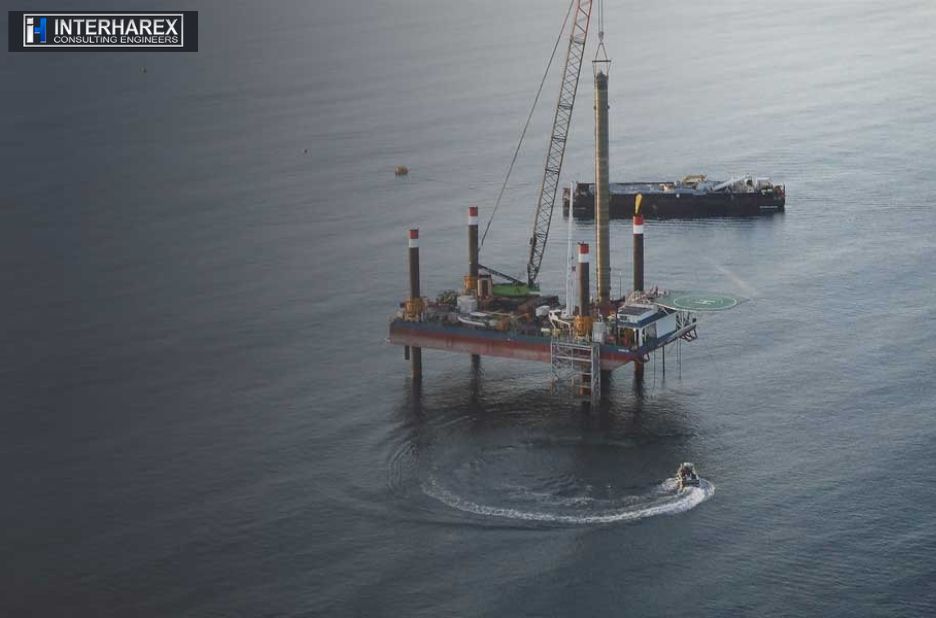
Overview of structural design
In today’s building landscape, a qualified structural engineer sydney guides the safety and feasibility of construction projects from concept to completion. A focus on load paths, material compatibility, and adherence to local regulations helps prevent costly delays. Clients increasingly seek engineers who translate complex calculations into clear plans, ensuring everyone structural engineer sydney involved understands the expected performance of the structure. Collaboration with architects, builders, and local authorities is essential to align design intent with site realities. Practical judgement and attention to detail set the foundation for durable, compliant projects across a range of sectors.
Choosing the right professional
Selecting a capable structural engineer sydney involves assessing credentials, portfolio quality, and communication style. Look for experience with similar project types, familiarity with Sydney’s climate and seismic considerations, and a history of on‑time delivery. A transparent fee structure and a well‑documented assessment phase help manage expectations early. Ask for peer reviews or third‑party verifications where available, and verify that the firm holds appropriate professional indemnity insurance. The goal is to partner with someone who can translate risk into practical, enforceable design decisions.
What to expect during design review
During the design review phase, the structural engineer sydney evaluates load assumptions, detailing, and constructability. They will scrutinise foundation strategies, connections between elements, and potential durability concerns under local environmental conditions. Clear, data‑driven reports support decision making, reducing ambiguity for project stakeholders. Expect a timeline that includes modelling, revisions, and coordination meetings with engineers, architects, and contractors to reconcile intent with site realities while maintaining compliance with Australian standards.
Onsite collaboration and risk management
Onsite collaboration with the structural engineer sydney ensures that design intent is translated into safe, buildable reality. They monitor workmanship, verify material properties, and check that temporary works are correctly planned. Managing risk involves proactive detailing, robust testing plans, and contingency pathways for unexpected site conditions. Effective communication channels help avoid costly rework, enabling smoother progress while upholding quality, safety, and environmental considerations across the project lifecycle.
Conclusion
Choosing the right structural professional for a Sydney project is about practical compatibility, clear communication, and proven capability. Focus on a partner who can deliver reliable plans, oversee critical details, and support your team through every stage. Visit Interharex Consulting Engineers for more insights and a straightforward reference point if you’re exploring options.