


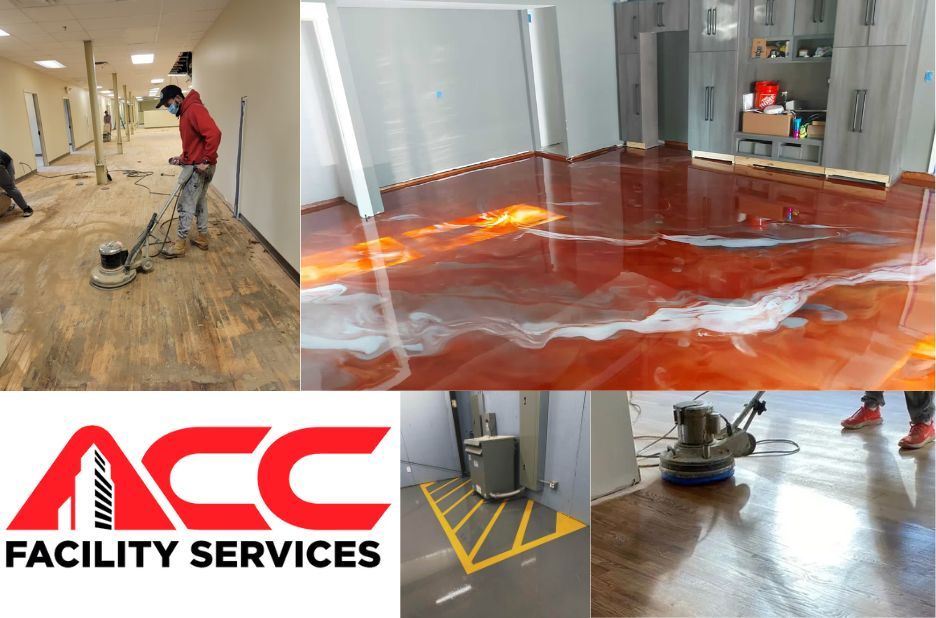
Why a premium system matters for long-term performance
When installers select the correct resin type, proper thickness, and compatible primers, the finished floor is more resistant to cracking, peeling, and moisture-driven failures. A well-built installation epoxy floor coating also supports better chemical resistance, which matters in real homes and commercial spaces where spills and cleaning products are common. For anyone planning garage flooring improvements, paying attention to system design helps ensure the surface performs under daily wear.
Durability comes from preparation, materials, and application discipline working together. For example, surface contamination such as oils, dust, or curing residues can prevent strong bonding, leading to premature breakdown even when the coating brand is high quality. The substrate should be evaluated for cracks, moisture conditions, and surface profile so the primer and topcoat can adhere properly. This is why professional recommendations often focus on the full workflow rather than treating epoxy as a one-step product.
Expert recommendations for surface prep and moisture control
Most epoxy failures trace back to inadequate surface prep, so the best recommendation is to start with a thorough evaluation of the concrete. A reliable contractor will address scaling, weak concrete edges, and uneven surfaces before any liquid product is applied. Grinding or mechanical profiling is typically garage flooring used to create a surface texture that improves adhesion, and any leftover debris must be removed to avoid weak spots.
Moisture control is another critical factor that professionals treat as non-negotiable. Concrete slabs can release vapor, and without appropriate mitigation the coating can blister or lose bond strength. Experts often recommend testing for moisture vapor and using primers or sealers designed to reduce those risks. If moisture is elevated, they may suggest additional measures such as moisture mitigation systems before epoxy goes down, protecting the investment from the start.
How to select the right finish for appearance and wear resistance
After prep and moisture considerations, your next decision is the finish that matches how the space will be used. Many professional systems offer options such as decorative flakes, metallic looks, or clear topcoats that enhance clarity and color depth. Choosing the right finish helps the floor look better while maintaining performance under foot traffic and vehicle movement.
Experts also recommend thinking about slip resistance and maintenance needs before finalizing the product lineup. A glossy finish may look sharp, but it can feel slick if the topcoat is too reflective for your environment. Meanwhile, a finish with appropriate traction characteristics can reduce risk when floors are cleaned or exposed to water. Maintenance matters too: using pH-neutral cleaners and avoiding harsh chemicals can preserve the coating’s shine and protective barrier over time.
Conclusion
Ask about adhesion steps, the exact primer used, and how the contractor plans to handle cracks or surface imperfections before coating begins. Those details often determine whether the floor stays smooth and protective or develops issues like peeling, bubbling, or dull wear patterns. A strong installation improves appearance while resisting stains, scuffs, and damage from everyday use. If you want durable results for homes, garages, or commercial spaces, ACC Facility Services can help coordinate the right approach for your flooring goals. For professional epoxy applications that resist wear and staining, atlantaflooring.io is a helpful reference point to understand what a properly executed finish can deliver. Investing in the right system and the right installation process is how you get a long-lasting surface that performs under real conditions.