


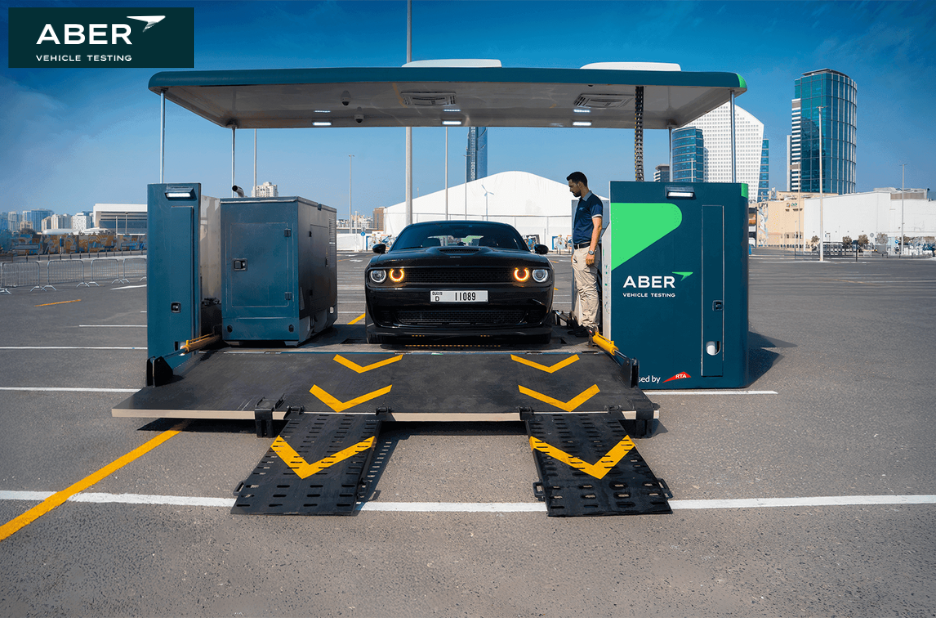
Overview of mandatory checks
Every vehicle that operates on public roads must pass a series of checks to confirm it is safe and roadworthy. The RTA vehicle fitness certificate is issued after inspectors assess braking systems, lighting, steering, tyres, suspension, emissions, and general structural integrity. This certificate confirms that a RTA vehicle fitness certificate vehicle meets the minimum safety standards required by local regulations, and it is typically valid for a specific period before renewal is needed. The process helps reduce road accidents and ensures drivers have confidence in the vehicle’s condition.
Who needs to obtain the certificate
The requirement applies to most motor vehicles used for commercial transport, passenger service, or private use where roadworthiness is essential. Fleet managers, taxi operators, couriers, and long‑distance drivers should schedule regular inspections to avoid last‑minute compliance issues. In some jurisdictions, provisional certification may be available after basic checks, with a full report following the detailed inspection. Awareness of expiry dates is crucial for uninterrupted operation and insurance validity.
How to prepare for the inspection
Preparation involves a thorough self‑check and pre‑inspection maintenance. Ensure brakes respond smoothly, lights and indicators function correctly, the exhaust emits within limits, tyres have adequate tread, and windscreen wipers operate effectively. Carry required documents, including prior certificates if renewing, vehicle records, and proof of address. Arriving with a clean, accessible engine bay and a tidy cabin can help inspectors perform the assessment efficiently and reduce delays.
Common reasons for renewal delays
Delays often stem from missing or outdated paperwork, outstanding repair needs, or timing issues with appointment slots. Inspectors may mark items for immediate attention, leading to a re‑inspection fee if deficiencies remain unresolved. Staying proactive by scheduling ahead, resolving mechanical concerns promptly, and maintaining up‑to‑date documentation can help prevent forfeiting registration or imposing penalties. Planning ahead keeps the vehicle operable and compliant for customers and operators alike.
Conclusion
Securing the RTA vehicle fitness certificate is a practical step that supports safety and regulatory compliance across fleets and private vehicles. By maintaining essential systems, staying on top of renewal timelines, and preparing thoroughly for each inspection, operators can minimise downtime and disruption. Visit abertesting for more insights on related tools and best practices.