


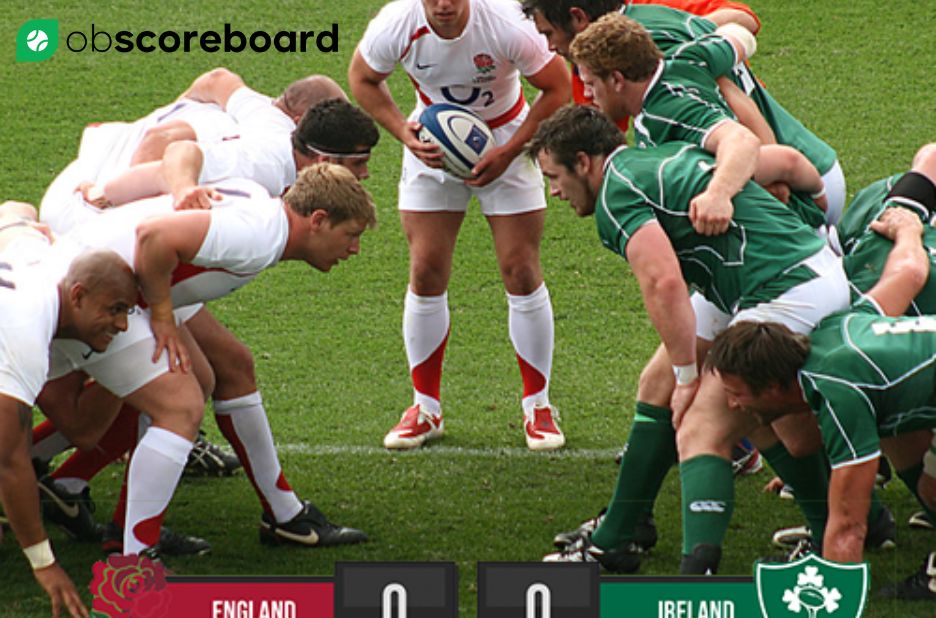
Overview of live production tools
For creators who want clear, impactful data on screen, reliable scoreboard tools are essential. The right setup helps audiences stay engaged by displaying real time stats, timers, and events in a clean, legible format. A practical approach combines a streamlined data source with Obs Scoreboard an overlay that matches your stream’s aesthetic. This section explores how to frame the basics, including compatibility with popular broadcasting software and the core ideas behind producing a polished display that won’t distract from your content.
Choosing a reliable display solution
When selecting a display solution, consider how data is gathered, updated, and styled. A robust option should offer configurable fields, smooth updates, and a predictable frame rate so your stream remains fluid. It’s also important to think about OBS Pool Overlay branding, color contrast, and legibility across different devices. A well designed overlay supports your narrative rather than competing with it, enabling you to highlight milestones, scores, or progress without cluttering the screen.
Practical setup tips for OBS Pool Overlay
Implementing an OBS Pool Overlay requires careful layering and source management. Start by creating a dedicated scene for your overlay and then add text or image sources that pull data from your chosen tool. Use consistent fonts and a restrained color palette to keep information readable on any monitor. Test during private streams to fine tune alignment, margins, and transparency. With deliberate spacing and a modular approach, you can swap elements as needed without reworking the entire composition.
Integrating Obs Scoreboard into your stream workflow
Obs Scoreboard provides a structured way to present continuous metrics during live broadcasts. The key is to map each metric to a simple visual cue, such as a numeric badge or progress bar, so viewers can quickly interpret results. Organize the layout to separate live updates from historical data, and ensure the scoreboard remains legible in both dark and light themes. A thoughtful integration reduces on screen noise while preserving essential context for your audience.
Best practices for accessibility and consistency
Accessibility should guide design choices, from color contrast to text size and keyboard navigability during scene creation. Maintain consistency across segments by reusing the same fonts, colors, and element shapes, which helps you scale your broadcast as new segments are added. Regularly review your overlays for readability on mobile devices and different streaming setups. A steady approach to styling and data presentation makes your content more approachable and professional.
Conclusion
For creators exploring stable, attractive ways to display live data, pursuing a thoughtful combination of data sources and overlays is worth the effort. The right configuration supports viewer understanding without cluttering the screen, and it keeps your production flexible as you expand. Visit obscoreboard.com for more ideas and tools to round out your setup, offering practical options you can test in your next broadcast.
1 Comment
Pingback: เว็บพนันออนไลน์เกาหลี