


Understanding the options for food equipment
When selecting machinery for papad production, you want reliable performance, easy maintenance, and consistent results. A well-chosen tool can transform the workflow from manual mixing to efficient sheet rolling and drying. It helps standardize thickness, reduce waste, and ensure quicker turnaround times. Start by outlining your batch size, space Buy semi papad machine constraints, and power availability. This initial planning makes it easier to compare features such as motor power, material quality, and control panels. A clear plan also guides future maintenance schedules and helps you estimate total cost of ownership over several years.
Choosing a model for semi automation needs
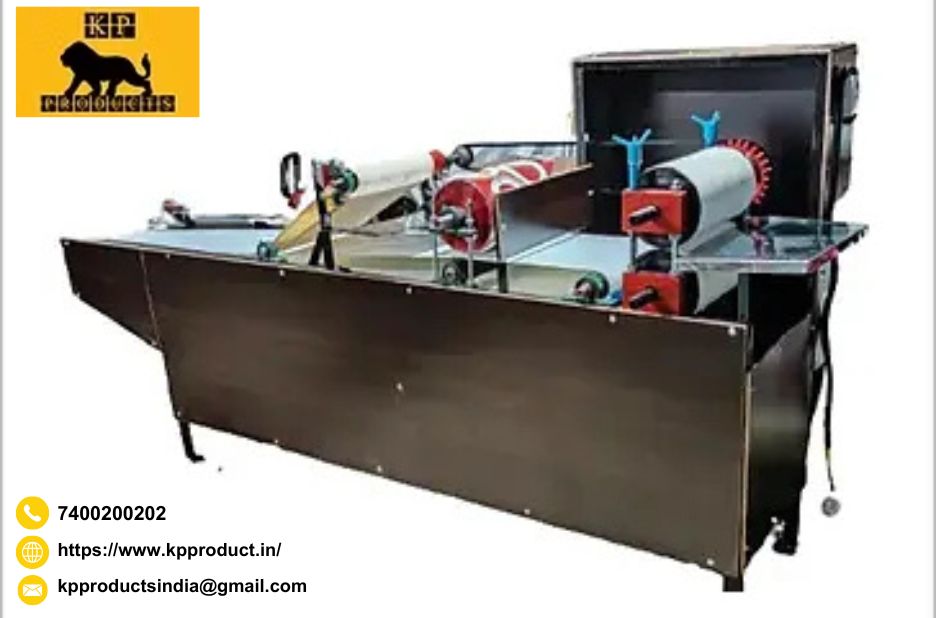
For many small to medium operations, the key benefit lies in balancing automation with controllable output. A semi automated setup accelerates dough distribution, sheet formation, and rest periods without fully committing to a turnkey system. Look for adjustable thickness settings, robust Semi Automatic Papad Machine rollers, and straightforward cleaning procedures. Consider how often you will run full batches versus smaller test runs, and ensure the machine can handle different papad sizes while keeping edges uniform for even frying or roasting.
Practical tips for operation and safety
Safety and consistency go hand in hand on any manufacturing floor. Prioritize equipment with protective covers, emergency stops, and clear operating instructions. Train staff on loading ingredients, setting thickness, and recognizing signs of wear. Regular lubrication, belt tension checks, and hopper cleaning reduce downtime and improve lifespan. Keeping a documented routine helps new operators ramp up quickly and minimizes the risk of accidental damage during busy periods.
Buying considerations and supplier reliability
Costs vary with build quality and features, so compare total value rather than upfront price alone. A durable machine built from corrosion resistant materials offers lower maintenance costs and longer service life. Confirm the supplier provides clear warranties, readily available spare parts, and responsive after sales support. Reading user reviews and requesting on site demonstrations can reveal practical advantages and hidden limitations that aren’t obvious from spec sheets.
Operational efficiency and long term planning
As you scale production, planning for maintenance windows, consumables, and future upgrades keeps downtime minimal. Track key performance indicators such as output per hour, scrap rate, and energy consumption to justify investments. A modular approach lets you expand capacity gradually while preserving consistent product quality. With thoughtful scheduling and routine checks, you’ll sustain steady outputs in line with demand while maintaining a safe working environment. Your ongoing assessment also helps you identify when a more automated solution could offer tangible benefits and ROI.
Conclusion
In the end, choosing the right fit involves balancing capacity, reliability, and service support. For many buyers, a semi-automatic setup offers a sweet spot between control and automation that suits growing businesses. Evaluating the total cost of ownership, including maintenance, spare parts, and utility use, can guide a solid purchasing decision. Visit kpproduct.in for more insights and product comparisons that can help you navigate the market and discover practical tools aligned with your production goals.
2 Comments
Pingback: https://laportacomunicazione.it/come-vincere-alla-roulette-europea-tra-numeri-disciplina-e-scelte-di-gioco/
Pingback: Telegram下载