


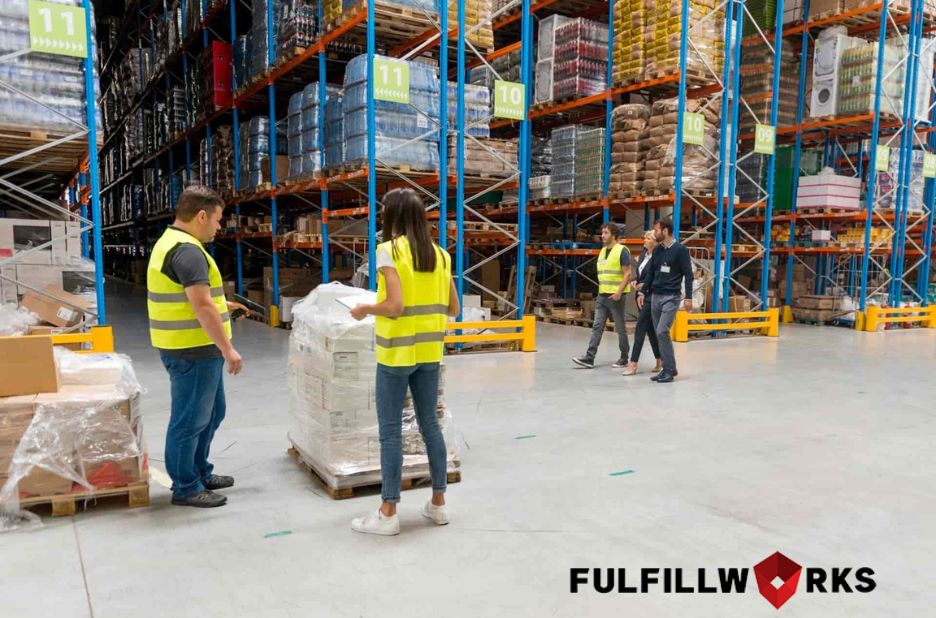
Overview of third party logistics
Small and medium enterprises in Australia often face challenges managing warehousing, inventory control, order fulfilment, and distribution. A practical approach is partnering with a reliable 3pl provider that can scale with demand, streamline operations, and reduce overhead. When selecting a partner, businesses should assess integration capabilities with existing 3pl australia ERP systems, real-time visibility into stock levels, and measurable service levels. The right setup improves accuracy, speeds up delivery, and supports growth without substantially increasing fixed costs. Learning from industry benchmarks helps tailor solutions to local market nuances and customer expectations.
Choosing the right provider
To avoid misalignment, it is essential to map out core requirements early. Consider storage options that fit product dimensions and turnover rates, plus technologies for picking accuracy and shipment tracking. A transparent pricing model with predictable fees reduces surprises in peak periods. Collaboration with a provider that shares key performance indicators fosters accountability, while flexible contracts enable adjustments as volumes fluctuate. In addition, prioritise providers with robust compliance practices for Australian tax and customs.
Operational benefits for retailers
Outsourcing logistics can unlock efficiencies across the supply chain. With warehouses strategically located, goods move faster to regional and metropolitan areas, cutting transit times and transport costs. Automated inventory replenishment minimizes stockouts, while batch picking and parcel-level tracking enhance customer communication. By centralising distribution, brands can focus on product development, marketing, and customer service, knowing the logistics backbone supports consistent delivery performance and returns handling.
Risk management and resilience
Supply chain resilience hinges on diversification of carriers, dual sourcing where feasible, and clear disaster recovery plans. A dependable 3pl partner provides contingency options during peak seasons or unexpected disruptions, maintains cold chain integrity when required, and upholds data security standards for sensitive orders. Regular reviews of service levels and incident reporting help maintain continuous improvement and reduce the impact of delays on end customers. Effective risk management translates into sustained brand trust.
Conclusion
Choosing the right logistics partner can transform how a business handles storage, fulfilment, and delivery, delivering tangible gains in efficiency and customer satisfaction. It’s important to align on technology integration, data visibility, and performance benchmarks to realise steady improvements. As you explore options, consider the local market landscape and the support a provider offers for rapid scaling during seasonal demand. Fulfillworks