


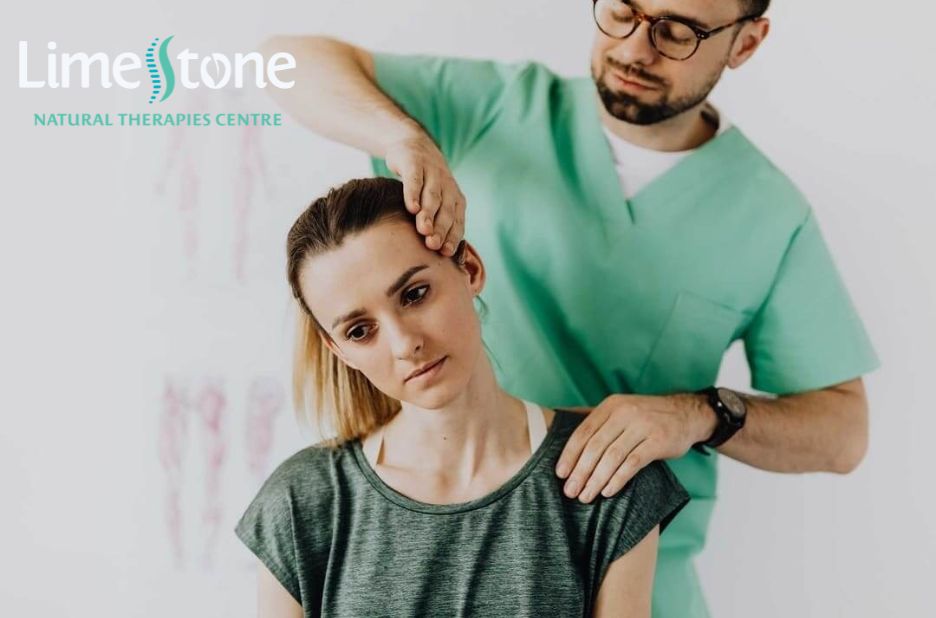
Therapy approaches for shoulder and hip
When considering relief from musculoskeletal discomfort, many patients seek targeted techniques that address the root of the problem. Dry Needling Ipswich is a popular option among practitioners who focus on trigger points and neuromuscular issues. It is often used as part of a broader plan Dry Needling Ipswich that may include movement retraining, posture advice, and gentle therapeutic exercises. Understanding how this method integrates with other physical therapies can help you choose a treatment path that supports long term mobility and reduced pain in daily activities.
What lower back pain massage Ipswich can offer
For those dealing with lower back pain, massage therapy in Ipswich can be a complementary approach to touch‑based release techniques. Lower back pain massage Ipswich sessions often combine light to moderate pressure with stretching and relaxation strategies aimed at easing Lower back pain massage Ipswich muscle tension, reducing stress, and improving circulation. This kind of work can be particularly helpful for patients who experience stiffness after sitting for extended periods or following acute strains in the lower back region.
Integrating dry needling and manual therapy
Many patients benefit from a coordinated plan where dry needling Ipswich is paired with manual therapy. In practice, clinicians assess movement patterns, identify painful hotspots, and tailor an approach that may include dry needling to target specific myofascial points while also using soft tissue work to loosen tight areas. The combination can enhance range of motion, decrease sensitivity, and support gradual progression through single‑direction and multi‑planar exercises as part of a structured rehabilitation program.
Choosing a skilled provider and what to expect
Finding a qualified clinician who offers dry needling Ipswich involves looking for reputable credentials, clear treatment goals, and a transparent plan for progression. Practitioners should explain the procedure, discuss potential sensations, and outline post‑treatment guidelines to minimise soreness. A well designed session will align with your activity level, medical history, and personal goals, ensuring you leave with practical steps to support ongoing improvement and self‑care beyond the clinic walls.
Managing expectations and self care
As with any therapeutic intervention, expectations should be grounded in a realistic timeline. Consistency, patient education, and adherence to a home exercise program play critical roles in outcomes. If you experience notable improvement after several sessions, maintain momentum by continuing targeted stretches and posture strategies. If pain persists or changes unexpectedly, schedule a follow‑up to reassess the approach and make necessary adjustments. Living with less discomfort is often a gradual process that rewards patience and commitment.
Conclusion
Exploring these treatment avenues can help you decide which path best fits your needs. Visit Limestone Natural Therapies Centre for more guidance and support as you navigate options for relief and mobility improvement in the Ipswich area.