


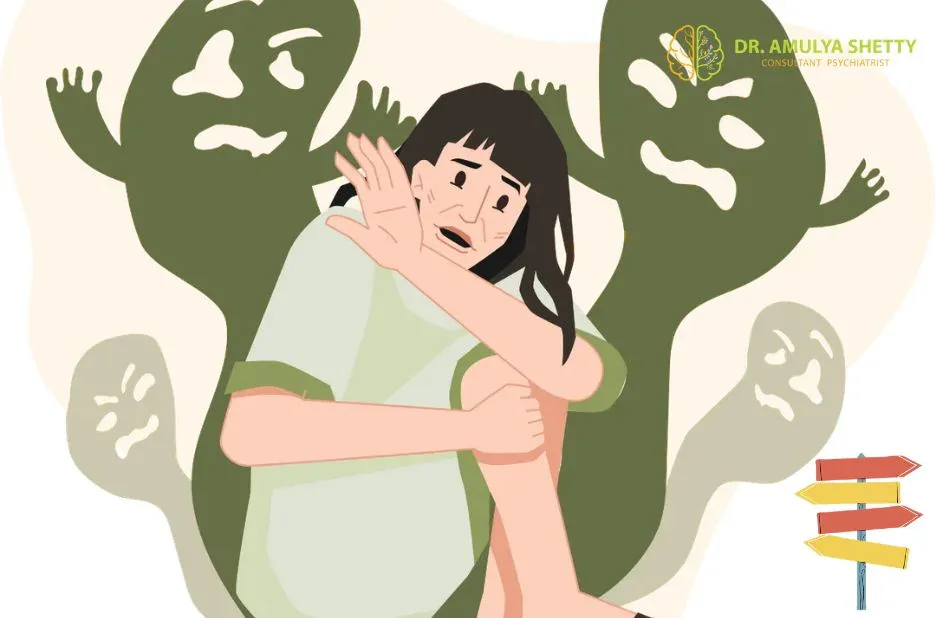
Understanding Bipolar Disorder
Bipolar disorder is a mental health condition characterized by extreme mood swings, including episodes of mania and depression. These fluctuations can significantly impact daily life, relationships, and overall well-being. Early diagnosis Bipolar Disorder Therapies and effective management are crucial for individuals living with this disorder. Treatment often involves a combination of medication and psychotherapy tailored to each person’s unique needs.
Types of Therapeutic Approaches
Various therapeutic approaches are employed to help manage bipolar disorder effectively. Psychotherapy, especially cognitive behavioural techniques, plays a critical role in stabilizing mood and preventing relapse. Alongside medication, therapies focus on Cognitive Behaviour Therapy for Anxiety educating patients about their condition, improving coping strategies, and enhancing emotional regulation. Support from mental health professionals provides a structured framework for recovery and long-term management.
Role of Cognitive Behaviour Therapy for Anxiety
While Bipolar Disorder Therapies primarily address mood regulation, coexisting anxiety disorders are common and require targeted intervention. Cognitive Behaviour Therapy for Anxiety is a widely recognized approach that helps individuals identify and challenge negative thought patterns contributing to anxiety symptoms. Integrating this therapy within the treatment plan can reduce anxiety levels, improve mood stability, and enhance overall quality of life for those with bipolar disorder.
Conclusion
Managing mood swings associated with bipolar disorder requires a comprehensive approach involving personalized care and support. Advanced Bipolar Disorder Therapies offer valuable tools and strategies for achieving emotional stability. For those seeking expert guidance and a tailored treatment plan, Dr Amulya Shetty at psychiatrymumbai.in provides dedicated care to help individuals navigate their journey toward mental wellness and improved quality of life.