


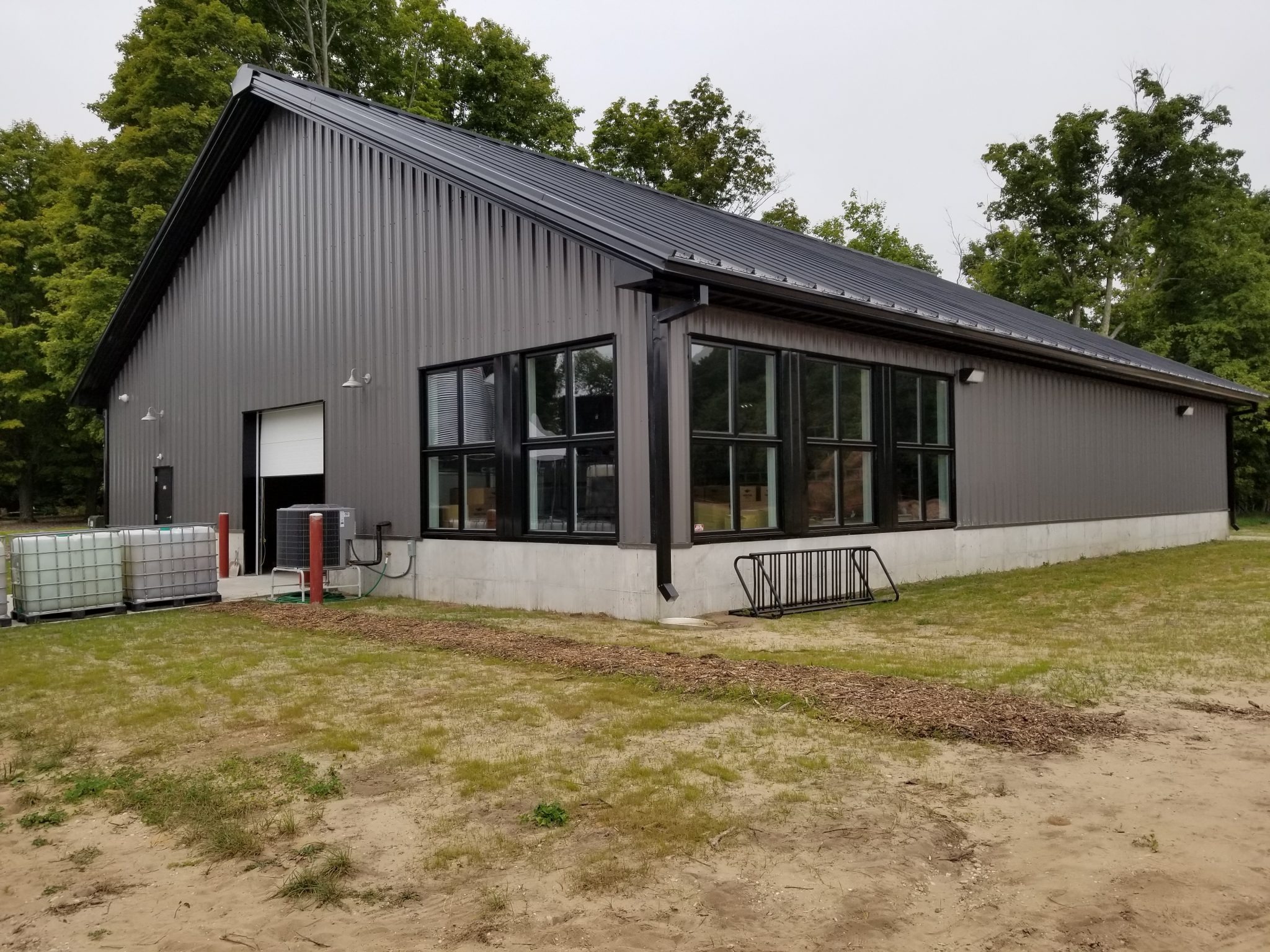
Overview of steel options
When planning a project that relies on durable and versatile solutions, choosing the right metal products is crucial. Steel construction materials offer strength, adaptability, and longevity for a wide range of buildings, from small extensions to large industrial facilities. The modern market provides a spectrum of grades, finishes, and fabrication methods designed to meet structural Steel construction materials needs and budget constraints. From framing to finishing, understanding the properties of steel helps you tailor the material to specific performance requirements, including load capacity, fire resistance, and resilience in challenging environments. This section sets the stage for practical decision making in early design stages.
Design considerations for steel structures
Structural design with steel must balance weight, stiffness, ductility, and constructability. Engineers typically evaluate yield strength, ultimate tensile strength, and elongation to predict how components behave under loading. Connections—bolted or welded—play a pivotal role in overall performance and safety. Fabrication Steel cladding panels tolerances, corrosion protection, and thermal movement are additional factors that influence detailing and shop drawings. Early collaboration with fabricators can streamline production, reduce on-site adjustments, and minimise delays for projects with tight timelines.
Benefits of cladding systems
Cladding panels are a practical way to enhance aesthetics, energy efficiency, and weather protection while keeping a consistent structural backbone. Steel cladding panels come in various profiles and finishes, delivering a balance of beauty and practicality. They can be chosen for lightweight yet durable exterior envelopes, rain-screen assemblies, or insulative sandwich constructions. Selection should consider wind load, thermal expansion, and maintenance routines to ensure long-term performance in diverse climates and urban settings.
Installation and maintenance best practices
Installing steel systems requires careful sequencing, quality control, and skilled trades to achieve tight tolerances and clean junctions. Protective coatings, galvanising, and periodic inspections help prevent corrosion and maintain appearance. Regular maintenance includes cleaning, checking seals around joints, and monitoring for deformation after extreme weather. Proper storage and handling during transport minimise damage to finishes and components, preserving the longevity of the build.
Conclusion
Choosing the right materials depends on the project goals, budget, and site conditions. Steel construction materials offer reliable performance when matched with appropriate detailing and fabrication. For cladding, Steel cladding panels provide practical exterior protection and a modern look that endures. Visit Steelkitz for more guidance on compatible systems and finish options that suit your project needs.
7 Comments
Pingback: pp slot
Pingback: https://aviator-nadengi.kz/home
Pingback: https://vulkanvegaskz.org.kz/kk
Pingback: http://walentyn.grupa-abs.pl/index.php/2026/04/16/1439/
Pingback: ขอ ฆอ.
Pingback: รีวิว ABM888
Pingback: เทปใส OPP