


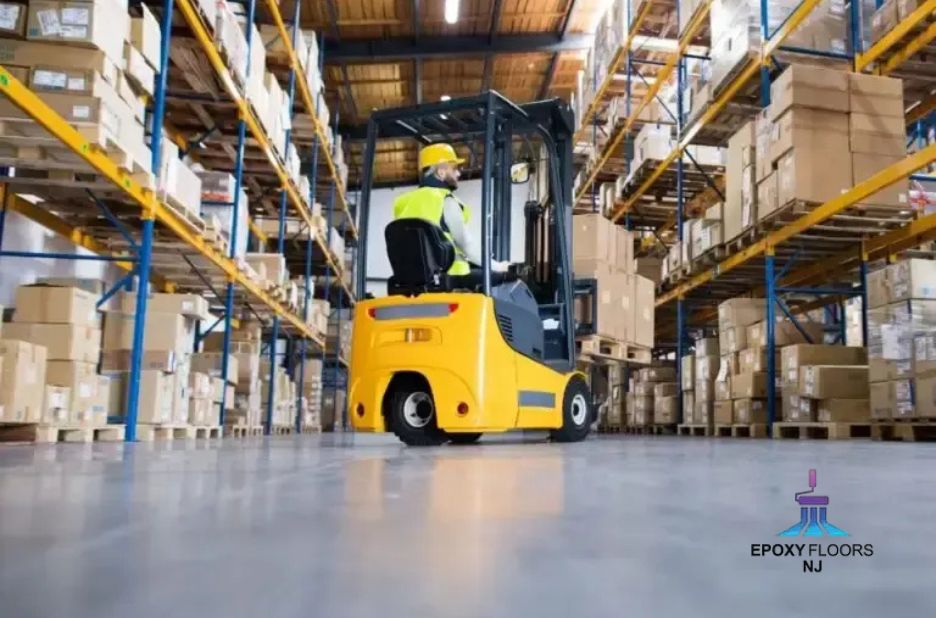
Industrial grade epoxy options
When selecting flooring for busy food processing facilities, durability and chemical resistance are non negotiable. Modern epoxy systems offer a tough, seamless surface that resists abrasion, stains, and frequent washdowns. A well chosen epoxy floor reduces maintenance costs and downtime, while meeting stricter sanitation requirements. In New Jersey, professionals tailor Food Processing Epoxy Flooring NJ coatings to handle variables like humidity, temperature shifts, and heavy equipment traffic. Workflows benefit from quick curing formulations that minimize disruption and keep production lines moving. Assurance comes from choosing manufacturers who provide thorough surface prep guidelines and long term warranties.
Commercial kitchen safety and cleanliness
Epoxy kitchen Flooring NJ solutions prioritize slip resistance and hygienic profiles that stand up to daily scrubbing and high-temperature sanitizing. The right coating creates a uniform, non-porous surface that prevents harboring bacteria and simplifies compliance with food safety audits. Professional installers Epoxy kitchen Flooring NJ assess drainage, joint gaps, and possible thermal expansion to prevent cracks. Regular maintenance strategies, including routine cleaning protocols and periodic resealing, extend flooring life and improve overall kitchen safety for staff and visitors alike.
Customization for processing zones
Different production zones demand tailored floor systems. Food processing Epoxy Flooring NJ options can be specified with variable color contrasts, chemical resistance levels, and skid resistance ratings to meet specific workflow needs. Facility managers value systems that resist oils, alkalis, and acidic cleaners, while offering a visually organized space for safety and efficiency. A thoughtful installation plan also considers existing substrates and preventative concrete repairs, ensuring a stable foundation before coating application.
Quality standards and lifecycle planning
Investing in epoxy coatings is a lifecycle decision. A quality installation includes proper surface preparation, appropriate primer selection, and control over cure times to prevent pinholes and solvent entrapment. Long term planning involves maintenance schedules, recoat windows, and budgeting for future upgrades as facility demands evolve. By aligning with reputable installers, NJ plants gain predictable performance, ease of inspection, and a flooring system that does not interrupt production when in use.
Choosing the right partner in New Jersey
Pairing selection with local expertise matters, especially where weather, humidity, and regional codes influence application. Reputable contractors bring on site safety practices, air quality controls, and comprehensive aftercare guidance. They help you compare product lines, warranty terms, and service options to minimize lifecycle costs. Before committing, request case studies from similar food processing environments and verify certifications that demonstrate adherence to industry best practices. Collaboration ensures the coating delivers the performance expected in demanding kitchens and processing rooms.
Conclusion
For facilities aiming for a robust, easy to maintain floor, partnering with a qualified installer makes all the difference. Food Processing Epoxy Flooring NJ projects deliver a seamless, chemical resistant surface that simplifies sanitation while standing up to daily wear. Epoxy kitchen Flooring NJ options further support cleanability and safety in high traffic zones. Visit epoxyfloorsnj.com for more insights and local installation references.