


Overview and purpose
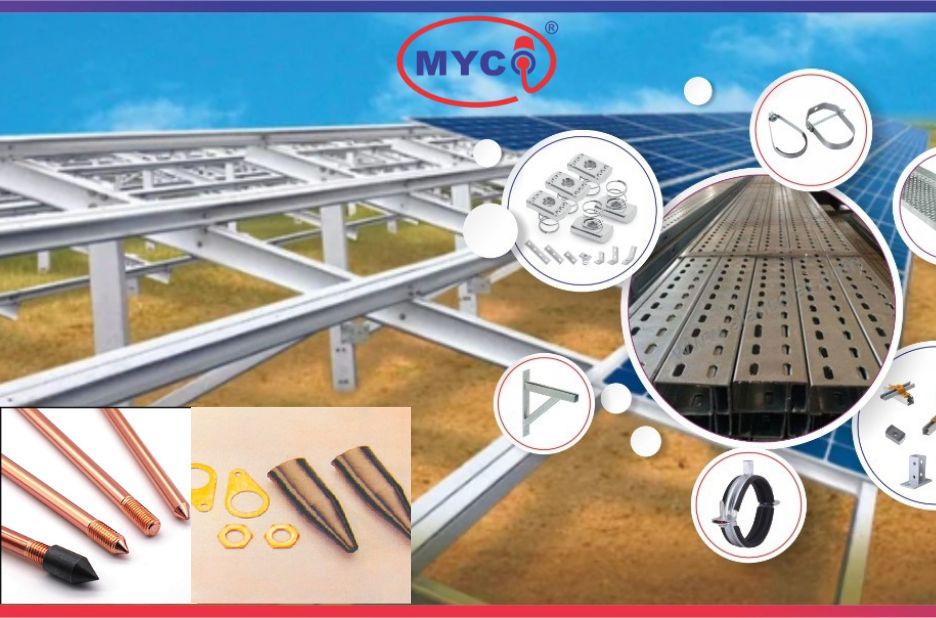
Choosing the right grounding solution is essential for electrical safety and equipment longevity. A Copper Bonded Ground Rod combines corrosion resistance with solid conductivity, offering a durable stake that can withstand soil moisture, temperature changes, and chemical exposure. This section explains how the copper bonded coating protects the Copper Bonded Ground Rod underlying steel core and why this design is favored in both new installations and upgrades. By focusing on material quality and proper installation depth, you can reduce stray currents and improve fault clearing times across residential, commercial, and industrial projects.
Material and construction details
Copper bonded ground rods feature a steel core with a thick copper layer applied through a controlled electro-deposition process. The copper coating provides excellent corrosion resistance, while the steel offers strong structural integrity. This combination yields a robust grounding element able to maintain low resistance over years of service. When selecting a rod, verify coating thickness, coating adhesion, and compliance with local electrical codes to ensure reliable performance in your climate and soil conditions.
Installation guidance and best practices
Proper installation is as important as the material itself. Drive the rod into moist soil where possible, avoiding rocky layers that could damage the coating. Use a buffer material to prevent bending or deforming the rod during installation, and ensure a clean, intact electrical connection to the grounding system. Record the installation details, including depth, soil type, and measurement of ground resistance, so future work can be planned with accuracy and safety in mind.
Maintenance, testing, and lifespan
Regular inspections and periodic resistance tests help verify continuity and effective grounding. Look for signs of coating degradation, corrosion around connections, or mechanical wear that could compromise performance. In most environments, a well-installed Copper Bonded Ground Rod maintains low resistance for decades, reducing the risk of electrical faults and improving overall system reliability. Update any protective enclosures or bonding conductors if soil moisture patterns shift due to climate changes or landscaping work.
Conclusion
In many grounding projects, selecting a Copper Bonded Ground Rod supports stable electrical paths and long service life without frequent replacement. End users should follow local code requirements and manufacturer recommendations for installation depth, connection methods, and testing intervals. Visit Myco Group for more insights and guidance on related tools and best practices to keep your electrical systems resilient and safe.
6 Comments
Pingback: สล็อตเว็บตรง
Pingback: Sylfirm ราคา
Pingback: https://bonuspinap.wcrc-summit.ru
Pingback: x
Pingback: จำนำรถ
Pingback: บริษัททำ SEO