


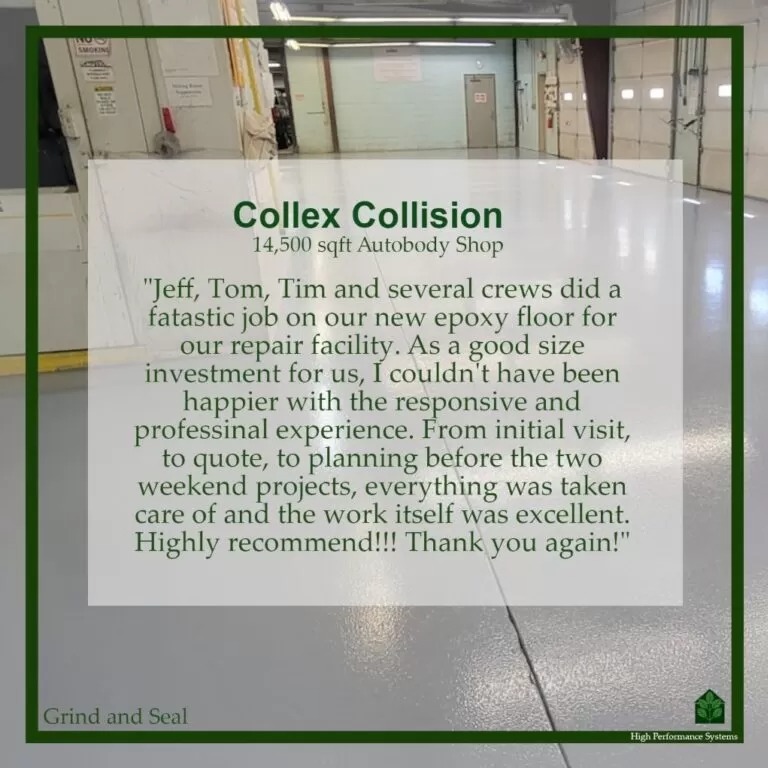
Overview of durable floors
When selecting a flooring solution for demanding environments, durability, maintenance, and cost effectiveness drive the decision. A well chosen system should resist heavy foot traffic, resist chemical exposure, and maintain a consistent performance under varying temperatures. The right option also minimises downtime during installation and allows for straightforward repairs Performance Flooring Systems without extensive disruption to ongoing activities. Practitioners look for materials that balance resilience with ease of cleaning, ensuring a long service life and predictable maintenance needs. With careful planning, facilities can reduce lifecycle costs while improving safety and comfort for users.
Key materials and installation
Selecting from a range of high performance compounds and layered constructions can tailor floor behaviour to the specific loads and usage patterns of a space. Subfloor preparation is critical to success, as a solid, clean base prevents premature defects and ensures uniform performance across the surface. Contractors typically assess moisture levels, adhesion properties, and substrate tolerance to determine the most appropriate system. Installation strategies focus on minimizing disruption and achieving a seamless finish that stands up to daily wear.
Performance metrics and testing
Manufacturers provide data on compressive strength, impact resistance, and resistance to abrasion to guide purchasing decisions. In practice, performance is evaluated through standardized tests that simulate real world conditions, such as rolling loads and chemical exposure. A flooring system that demonstrates stable dimensions, low thermal conductivity, and reliable slip resistance contributes to safer environments. Clients often request long term warranties paired with service plans to monitor condition and schedule timely refurbishments, protecting initial investments.
Practical considerations for projects
Cost, availability, and compatibility with existing structures are practical barriers to rapid deployment. A robust specification outlines substrate preparation, installation tolerances, curing times, and required maintenance routines. Energy efficiency and indoor air quality are increasingly important, guiding choices towards low-emission materials and efficient cleaning protocols. Project teams should also plan for accessibility, ensuring transitions between rooms are smooth and non slip surfaces perform reliably under wet or dry conditions. Clear documentation helps facility managers budget and schedule future updates.
Conclusion
Incorporating the right Performance Flooring Systems can streamline operations, reduce downtime, and extend the lifespan of a facility. The most successful projects balance long term value with practical day to day use, matching material properties to the realities of the space and workforce. For ongoing guidance and examples of compatible products, check High Performance Systems for similar tools and insights.