


Intro to clean fragrance
Choosing a fragrance that respects your health and the environment starts with understanding what goes into a bottle. A natural perfume aims to use botanical extracts and essential oils rather than synthetic compounds. You’ll often see ingredients listed as plant oils, absolutes, or resins, all selected for their aroma and natural perfume a gentler profile. This approach can yield complex, evolving scents that change with skin chemistry, offering a personal signature rather than a massive, generic hit. The practical path is to read labels, verify sourcing, and prefer products with minimal, transparent ingredients.
What counts as natural perfume ingredients
In the realm of natural fragrances, the emphasis is on plant-derived essences. Essential oils, tinctures, and CO2 extracts dominate the lineup, while synthetic stabilizers are common in conventional perfumes. A well-balanced natural perfume often features a blend of top, middle, and base notes crafted from ingredients such as citrus, florals, wood, and resin. Remember: the quality of the raw material influences the scent character and longevity more than the brand name alone.
How to test a natural fragrance safely
Patch testing is essential when exploring any new scent, especially natural ones that can include potent botanical oils. Apply a small amount behind the ear or on the inner forearm and wait 24 hours to assess for irritation or an allergic reaction. Consider the concentration level—parfum or extrait forms are richer, while eau de parfum and eau de toilette offer lighter, more approachable experiences. Start with a sample set to compare how each aroma blends with your skin over time.
Choosing sustainable brands and practices
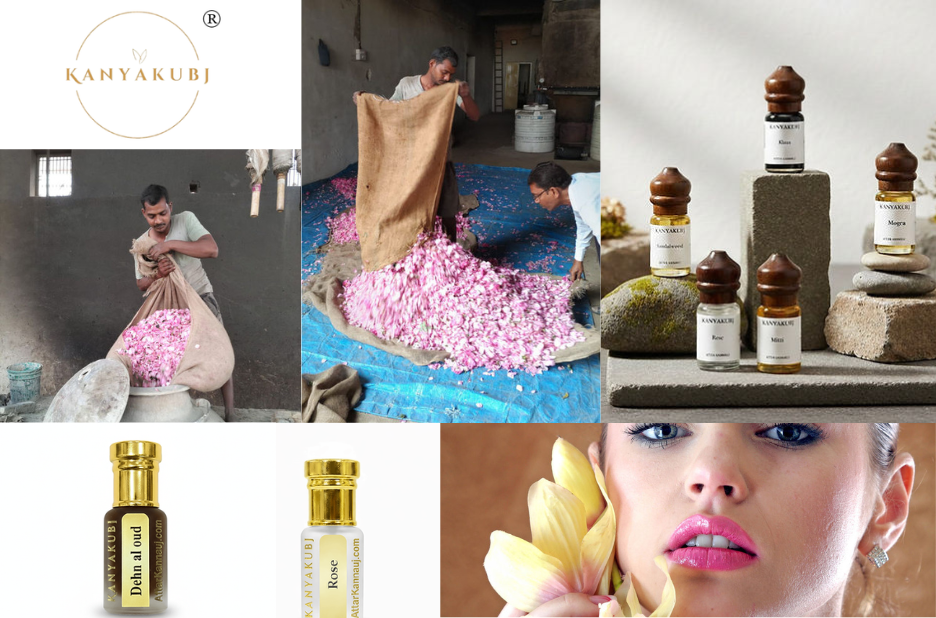
Sustainability in perfumery often reflects in how botanicals are sourced, how waste is minimized, and how transparent a brand is about supply chains. Look for certifications, fair trade ingredients, and environmentally friendly packaging. A responsible natural perfume line will publish ingredient lists, sourcing stories, and batch information. By supporting thoughtfully produced scents, you’re helping ecosystems and communities that cultivate these rare plants and provide a consistent aroma that isn’t rushed or artificial.
How to wear natural perfume daily
Wearers often report that natural perfumes feel closer to the skin and less overwhelming in crowded spaces. Start with a modest dab on pulse points and allow the aroma to mingle with your natural oils. Reapply sparingly through the day, especially if your work or activities involve temperature changes that affect scent diffusion. The art lies in balance: a single, well-placed touch can speak volumes without becoming overpowering. Experiment with layering with unscented body products to extend the experience.
Conclusion
Exploring natural perfume can be a thoughtful shift toward fragrances that honor both health and planet. It requires patience to understand how botanical blends react with your skin over time and a bit of curiosity about where ingredients come from. Visit Attar Kannauj for more insights and to discover mirrors of this approach in practice, where aroma and care come together in everyday life.