


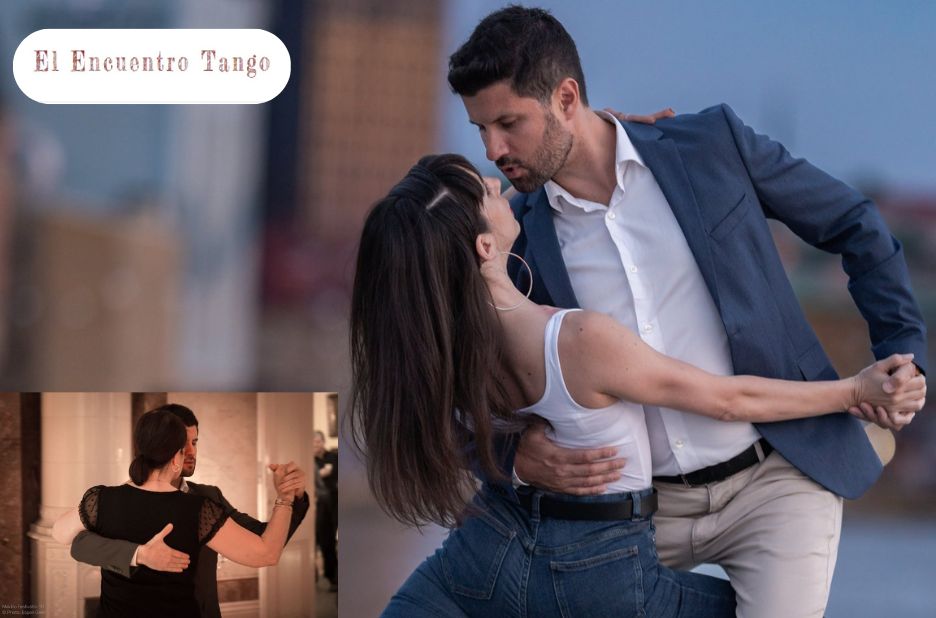
Overview of the scene
For travellers and locals alike, Buenos Aires offers a rich tapestry of tango experiences that suit all levels. You will find welcoming studios, expert instructors, and a culture that reveres the music, the steps, and the social dance floor. Whether you are curious about warmups, buenos aires tango classes posture, or the embrace, the right classes can help you progress quickly while enjoying the atmosphere that makes tango such a beloved art form in the city. Practical attendance tips help beginners feel comfortable from day one.
Choosing the right studio
When selecting a venue, consider the size of the group, the teaching style, and the level of individual feedback. Look for instructors who break down complex figures into manageable chunks and who provide options for different improvisation tango dance lessons levels. A good studio offers reliable scheduling, beginner friendly introductions, and a respectful, inclusive environment where everyone can practise with patience and encouragement. Expect warmth and clear guidance throughout each session.
What you can expect in the classes
Classes typically begin with a fundamental warmup, followed by step-by-step demonstrations of basic moves, and then structured drills to build confidence on the floor. You will practise leading and following with a partner, listen for musical cues, and learn to adapt to varying tempos. Most courses progress from essential steps to more intricate figures, ensuring steady improvement while keeping mistakes light-hearted and part of the learning process.
Preparing for your first lesson
Practical preparation includes comfortable footwear with a smooth sole, breathable clothing, and a willingness to embrace the pace of instruction. Arrive a few minutes early to settle in, meet your partner, and receive a quick briefing on etiquette and floorcraft. Bring water, a notebook for notes on timing and rhythm, and an open mind about the social nature of tango practice—trust, connection, and listening are the foundations of progress.
Getting the most from your experience
Consistency matters, so aim for a regular cadence—weekly sessions complement weekend socials and practice circles. Focus on musicality and body alignment, then gradually add more elaborate sequences as you gain balance and confidence. Cross‑train with listening to tango orchestras to internalise rhythms, and watch fellow dancers to observe leading and following dynamics in natural settings. The more you commit, the more you will enjoy the journey across the dance floor.
Conclusion
For those exploring the region, a thoughtful choice of classes can unlock real enjoyment and steady progress. If you are seeking further guidance or compatible options, consider visiting El Encuentro Tango for more details and community insights.