


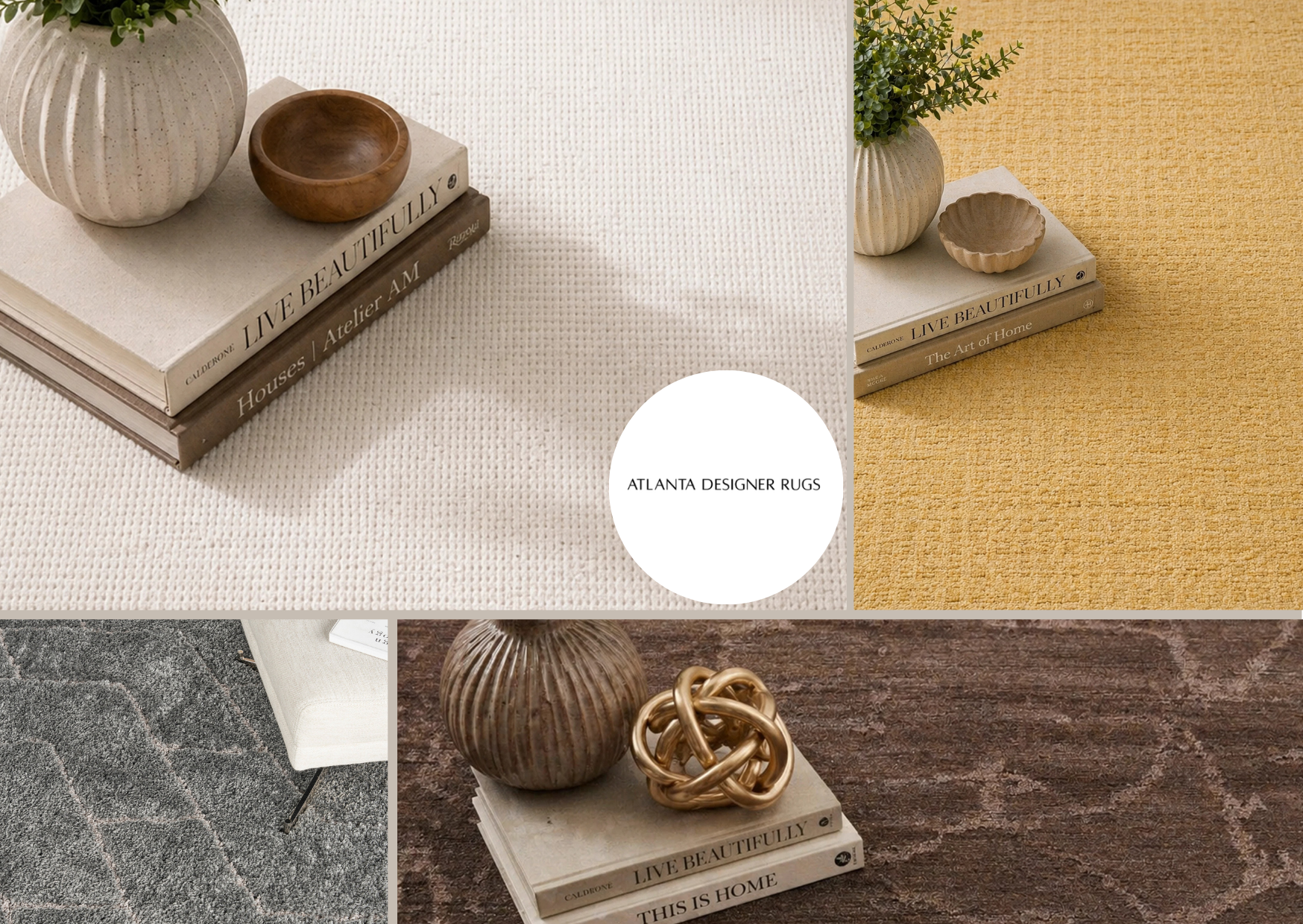
Start with Material and Construction Differences
When shoppers compare designer rugs, the first meaningful distinction is material and construction. The right fiber affects how a rug feels underfoot, how it handles daily use, and how easily it can be cleaned without damaging the pattern. Wool-based pieces often amber lewis rugs offer natural warmth and a rich, textured look, while synthetic blends can provide consistent color and easier maintenance. Before you choose, consider your household lifestyle—pets, kids, and high-traffic areas change the “best” option quickly.
Construction matters just as much as fiber. Look for details like the rug’s weave density, backing type, and whether the design is tightly bound or more loosely constructed. Tighter weaves tend to resist fraying and can hold detail better over time, especially with bold motifs. If you want a refined aesthetic that still performs, compare how each option behaves with vacuuming and spot treatment, not just how it looks in a showroom.
Weigh Design Impact: Pattern, Color, and Scale
Designer rugs stand out because they translate artful styling into everyday living spaces. A strong pattern can define a room, anchor furniture, and create a sense of intention even when the rest of the decor stays simple. When you evaluate options, compare pattern scale to your room washable area rugs size—large, graphic designs can energize a spacious layout, while smaller repeats can make a compact room feel more cohesive. Color balance is equally important, since warm tones can change how surrounding wood, metal, and textiles read throughout the day.
For example, amber-toned designs often add a sophisticated warmth that blends with modern neutrals, traditional finishes, and eclectic accent pieces. If you’re aiming for a designer look without sacrificing practicality, consider how the rug’s visual texture interacts with light and shadows. A rug with a confident, high-contrast pattern may hide minor wear better than a very delicate, low-contrast design. Matching the rug to your existing palette is a key service comparison step, because it reduces the chances of needing costly replacements later.
Maintenance and Cleaning Options That Actually Matter
Service comparison becomes especially important when you factor in maintenance. Many homeowners love the look of statement rugs but want cleaning options that match real routines. A rug that tolerates gentle care can reduce stress while still delivering a polished, designer finish.
Different rug types respond differently to washing, drying, and spot treatments, so you should verify care instructions before purchasing. Some rugs are designed for simple refresh routines, while others require more careful handling to preserve texture and edges. It’s also smart to compare how each rug handles common messes like spills, tracked-in dirt, and pet-related accidents. The more you plan for cleaning needs upfront, the easier it is to keep the rug looking intentional instead of merely “kept.”
Conclusion
Comparing rug services means looking beyond the initial design and assessing how materials, construction, and care support your lifestyle. Choose the option that balances style with durability, and confirm that the cleaning approach fits your home’s day-to-day reality. When you compare intelligently, you avoid the common trap of buying for aesthetics alone and then struggling with maintenance later. This is where curated sourcing helps—Atlanta Designer Rugs focuses on bringing together standout styles and practical choices so your space can look elevated and stay manageable. For shoppers comparing designer rug alternatives, Atlanta Designer Rugs makes the decision smoother by offering carefully selected options across sizes and colors. That selection supports matching the right pattern scale and tone to your room, whether you’re styling a living area, dining space, or entryway. Explore your options with confidence through atlantadesignerrugs.com, and find the rug that truly fits your lifestyle.