


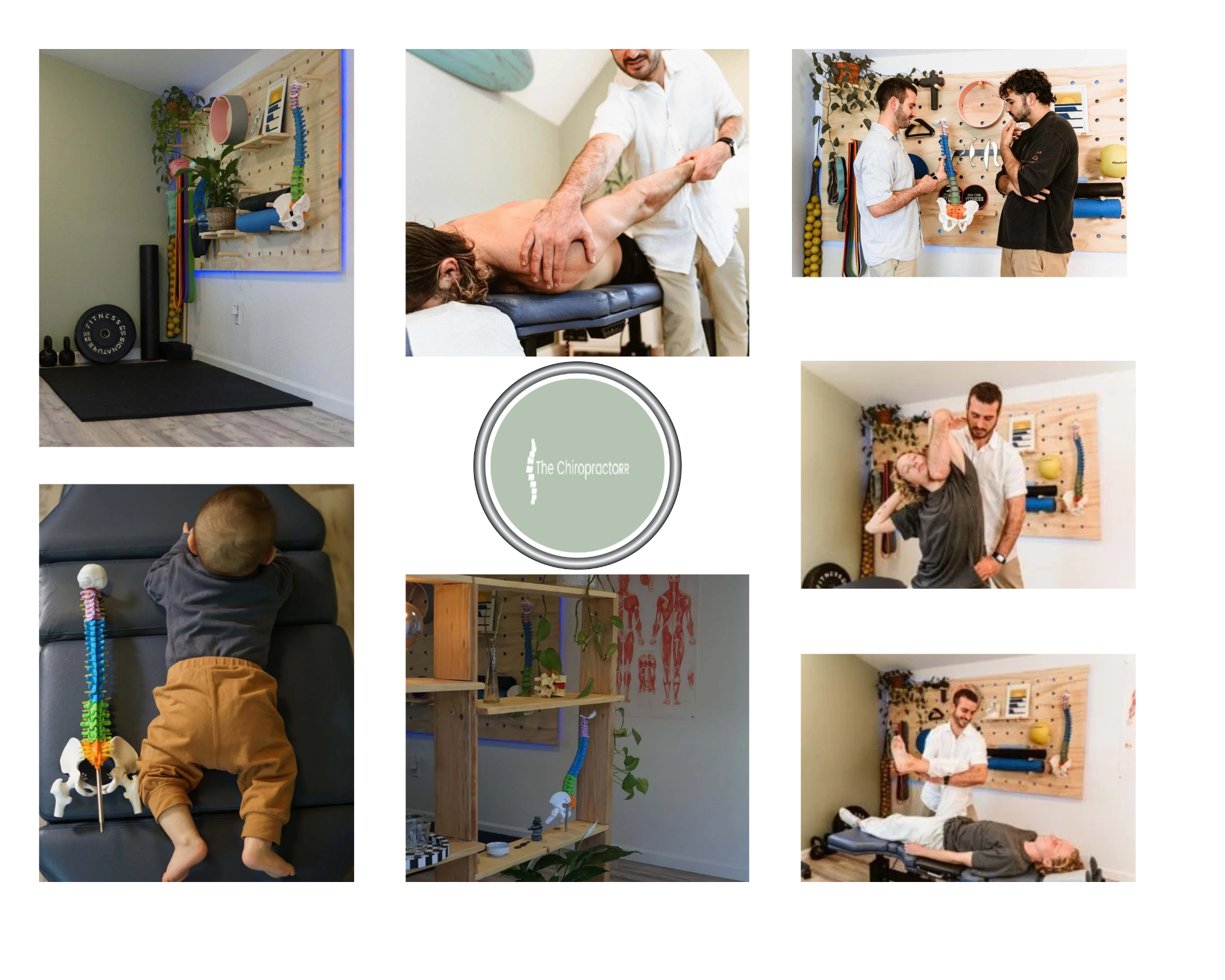
Understanding your goals and needs
Designing a practical plan begins with clarity about what you want to achieve and the activities you value most. A successful approach considers your current fitness level, any medical considerations, and how your daily routine might adapt to new habits. It also recognises that progress comes in stages, so comfort and Personalized rehab exercise program safety remain at the forefront. By listening to your body and tracking small wins, you establish a foundation that motivates you to stay consistent. This tailored focus helps you move forward with confidence and reduces the risk of setbacks caused by mismatched expectations.
How to assess your starting point
Begin with a honest self review of mobility, strength, and pain limits. Simple tests can reveal imbalances and guide warm ups, stretches, and strengthening activities. Recording measurements over a few weeks shows trends rather than isolated days, making adjustments easier. A well balanced plan respects rest periods and gradual increases in difficulty. Regular check ins with a clinician or physiotherapist can refine technique and ensure exercises remain aligned with your evolving needs.
Choosing exercises that fit your life
Practical exercise selection emphasises accessibility and relevance. Core movements, posture work, and gentle recovery activities should feature prominently, while more intense sessions are spaced to prevent overload. Clear cues and demonstrations help you perform movements safely, with a focus on form over intensity. The aim is to cultivate sustainable habits that blend into work, family, and leisure, rather than creating a rigid, hard to maintain routine. This realistic approach supports long term adherence.
Tracking progress without stress
Tracking can be a simple, motivating process when used thoughtfully. Consider logging pain levels, range of motion, and daily energy, alongside notes about mood and sleep. Visual milestones, like improved balance or greater ease with daily tasks, reinforce positive change. It’s equally important to note what doesn’t work, so you can adjust promptly. A flexible plan honours your pace and avoids discouragement from comparing yourself to others or chasing rapid results.
Conclusion
Crafting a Personalized rehab exercise program is a practical journey that prioritises safety, consistency, and real life demands. With patient assessment and adaptive planning, you can build strength and resilience while staying aligned with daily routines. The right program respects your pace, supports recovery, and keeps you moving toward meaningful goals. The ChiropractOrr