


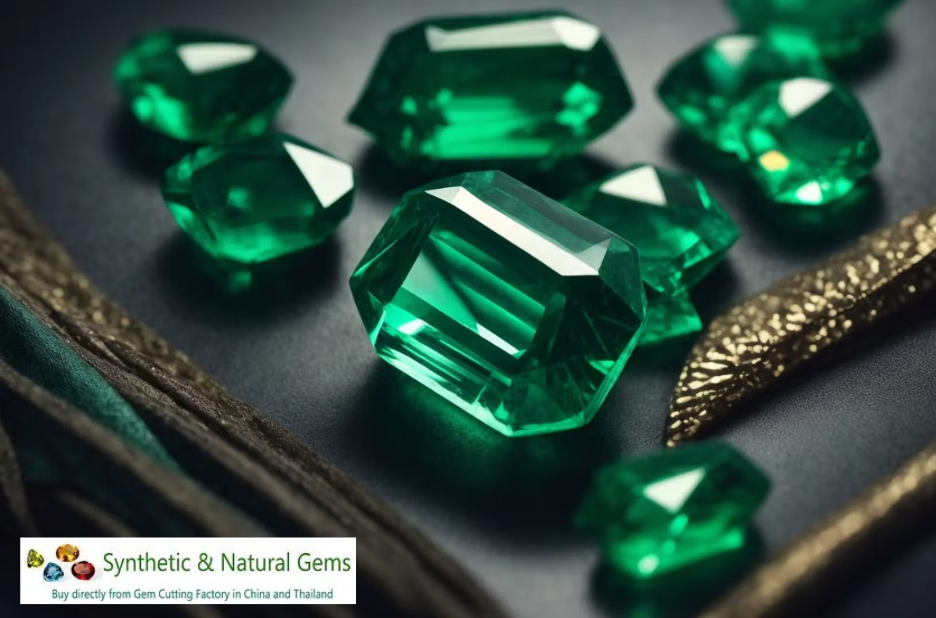
Overview of synthetic rough gems
When planning projects that showcase colour, durability and consistent grading, synthetic rough gems offer a dependable alternative to natural stones. They are manufactured to specific optical and mechanical standards, allowing artists and lapidaries to predict how the material will behave in cutting, shaping and setting. This section explains what makes synthetic rough synthetic rough gems gems distinct from mined counterparts, including uniformity of size, fewer inclusions and enhanced control over hardness and refractive index. For beginners, this predictability can reduce missteps and waste, while seasoned makers may value the reproducibility for batch work and designs that demand exacting precision.
Preparation and sourcing considerations
Before acquiring any material, assess your intended technique and the tools you have available. Synthetic rough gems respond well to traditional grinding and polishing methods, but some varieties benefit from specific speeds and abrasives to maximise shine. When shopping, request material specifications such as grit size, clarity, and thermal history, since these factors influence how the gems will cut and polish. Always verify supplier credibility and warranty terms, especially if you are planning large-scale production or resale. Understanding these details helps you estimate yield and timeframes accurately.
Working with expectations and limitations
Despite their advantages, synthetic rough gems have constraints similar to natural stones. Some colours may appear flatter or brighter only under certain lighting, and the density of the material can affect how it behaves in a setting. Consider how the gem type interacts with metal or resin mountings, including thermal expansion and potential colour shifts with heat exposure during setting or finishing. Planning tests on scrap pieces can save material costs and reveal handling quirks that could affect final appearance.
Care, appraisal and market value
Proper finishing and protective settings can help maintain the visual appeal of synthetic rough gems over time. Gentle cleaning and avoiding harsh cleaners are standard practices, as is storing pieces away from prolonged direct sunlight. When evaluating value, buyers weigh factors such as uniformity, optical effects, and consistency across batches. Collectors and retailers often prefer well-documented provenance and material data sheets, which support trust and accurate appraisal of created pieces. Ilyas Lapidary
Conclusion
To craft pieces that reliably meet design ambitions, focus on selecting the right grade of synthetic rough gems for your technique and budget, then plan a measured workflow that anticipates waste and rework. With careful preparation, the results can be striking and repeatable, enabling you to expand your repertoire without compromising on quality or consistency. Visit Ilyas Lapidary for more inspiration and practical tips on gemstone materials and precision cutting.