


Why seek art based healing
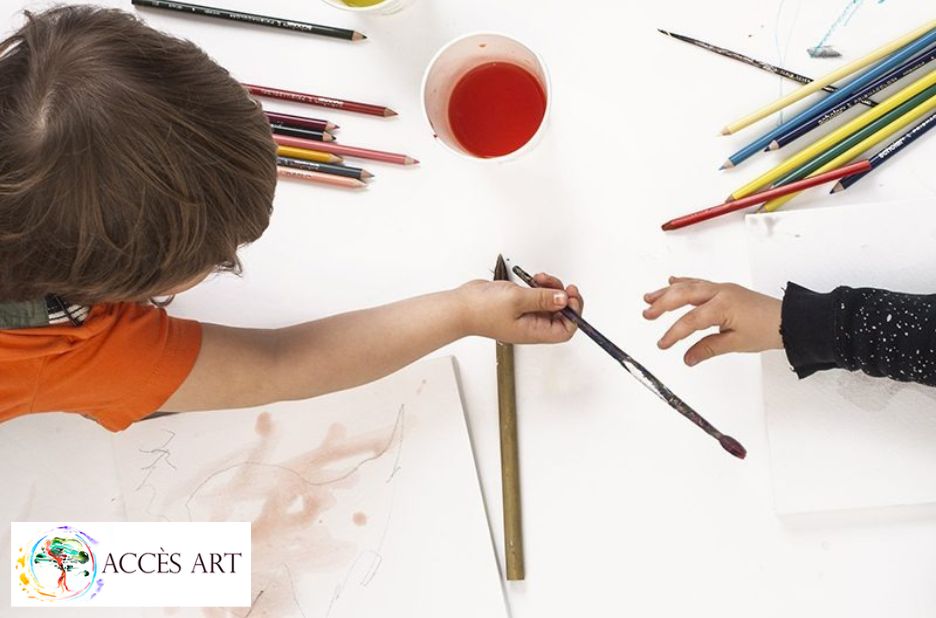
Art therapy offers a creative path to express emotions that may be difficult to name. Practitioners guide adults and children through simple, structured activities designed to reduce anxiety, improve mood, and foster resilience. In sessions, participants use a variety of art materials to externalize internal experiences, which helps uncover underlying Art Therapy Sessions for Adults and Children concerns and supports clearer communication with caregivers and therapists. The approach emphasizes process over product, inviting curiosity, safe experimentation, and personal growth. Whether you are navigating daily stress or deeper emotional challenges, the process supports steady progress in a nonjudgmental setting.
What to expect in sessions for families
Family oriented art therapy creates shared understanding while honoring individual needs. Children gain confidence as they learn to regulate emotions through hands on activities, while caregivers observe changes in interaction and problem solving. Structured prompts encourage listening, turn taking, and Art Therapy for Trauma Anxiety collaborative storytelling. For adults, sessions focus on grounding techniques, reflective journaling through drawings, and resource building. The environment remains calm and supportive, with boundaries set to promote safety and autonomy for each participant.
Techniques for emotional regulation
Therapists incorporate guided imagery, color selection, and tactile projects to modulate arousal levels. Repetitive patterns, mandala creation, and sensory art help participants regain a sense of control during overwhelming moments. This practical approach emphasizes small, actionable steps that can be practiced at home between sessions. When new emotions surface, the therapist helps label feelings and identify coping strategies that fit the individual’s life context, promoting sustainable change over time.
Access Art Therapy in everyday life
Engaging in art activities at home or in community settings supports consistent mental health care. Sessions for adults and children adapt to varied routines, schedules, and access levels, ensuring that creativity remains a feasible and valued part of wellness. Practitioners collaborate with families, schools, and workplaces to tailor exercises that fit real world conditions, such as busy mornings, after school transitions, or weekend downtime. The aim is to cultivate a sense of agency, safety, and hope through ongoing creative practice.
Understanding effectiveness and progress
Clients often notice clearer communication, improved self awareness, and better coping strategies as therapy progresses. Progress is tracked through reflective notes, artwork portfolios, and discussions about daily life changes. Therapists emphasize measurable but realistic goals, celebrating small wins and adjusting plans when needed. The focus remains on personal meaning and the development of internal resources that persist beyond sessions, supporting long term emotional wellbeing.
Conclusion
As you consider support for emotional wellbeing, remember that consistent engagement with creative processes can make a meaningful difference in daily life. Access Art Therapy