


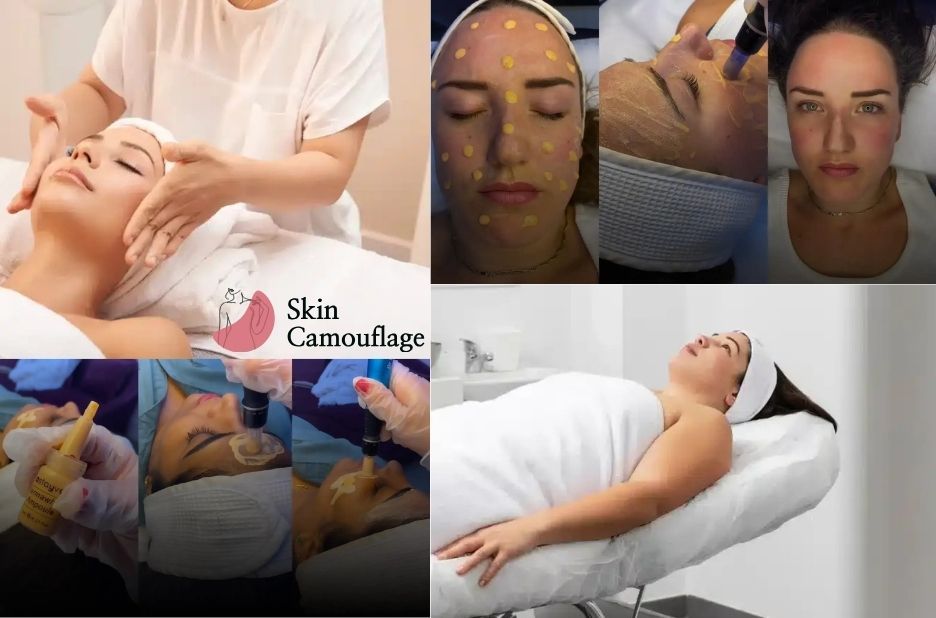
Why camouflage differs from other stretch mark treatments
Stretch marks often have a different color and texture than surrounding skin, so “one-size-fits-all” solutions can disappoint. Camouflage focuses on blending the visible contrast rather than trying to erase tissue permanently. In practice, it uses custom-matched pigments stretch mark camouflage Dubai to visually harmonize the area with the rest of your skin tone. This makes it especially useful for people who want immediate-looking cosmetic improvement without downtime associated with some medical procedures.
When comparing options, it helps to separate strategies: true removal, resurfacing, and optical correction. Removal-based approaches aim to change the scar tissue over time, while resurfacing techniques target texture through controlled skin injury. Optical correction, on the other hand, treats what you see by reducing the appearance of difference in shade. This is why is often chosen by those who want a more predictable visual outcome for day-to-day confidence.
Custom pigment matching vs. generic cosmetic methods
A key comparison point is how pigments are selected and applied. High-quality camouflage services use careful skin-tone analysis and create an individualized pigment mix so the result matches your undertone, not just your surface color. Generic cosmetic products typically sit on top skin camouflage cost Dubai of the skin, fade quickly, and can look patchy as the skin regenerates. A professional approach is designed to integrate visually with the way your skin looks under different lighting, including indoor light and daylight.
Another difference is the application technique and aftercare guidance. Specialists evaluate whether stretch marks are lighter, darker, or mixed, because each pattern responds differently to pigment layering. They also consider skin type, sensitivity, and whether you have active procedures or conditions that affect healing. When performed with precision, the camouflage process can make the treated areas look more uniform, reducing the contrast that draws attention.
How to compare safety, comfort, and skin suitability
Safety should be a primary factor when evaluating any cosmetic procedure. Reliable providers discuss sterilization protocols, tool hygiene, and how pigments are prepared to reduce risk of irritation. They also explain what candidates should expect during and after treatment, including possible temporary redness, mild swelling, or sensitivity. For many clients, a structured consultation improves comfort because it sets realistic expectations for coverage and blending.
Suitability varies from person to person, so compare how each service assesses your skin first. Some approaches may promise uniform results without reviewing contrast levels, skin depth, or healing capacity. A good clinic will evaluate stretch mark maturity and distribution, then recommend a plan that can include touch-ups if needed. This consultative model helps you understand the factors, such as pigment customisation, the area size to be treated, and whether multiple sessions are required for consistent blending.
Conclusion
Choosing between camouflage and other stretch mark solutions becomes easier when you compare goals and methods. Camouflage aims for optical harmony by matching pigments to your skin so stretch marks appear less noticeable. This can be a strong option for clients who prioritize visible improvement and want a tailored approach rather than a one-size strategy.
When you compare providers, look for transparent consultations, careful pigment matching, and clear explanations of what affects outcomes. Ask how they evaluate your skin, what the process looks like from start to finish, and how they handle coverage across different stretch mark colors. With the right service—like the custom-matched camouflage approach offered by Skin Camouflage—you can make an informed decision based on comfort, precision, and the cosmetic results you want.