


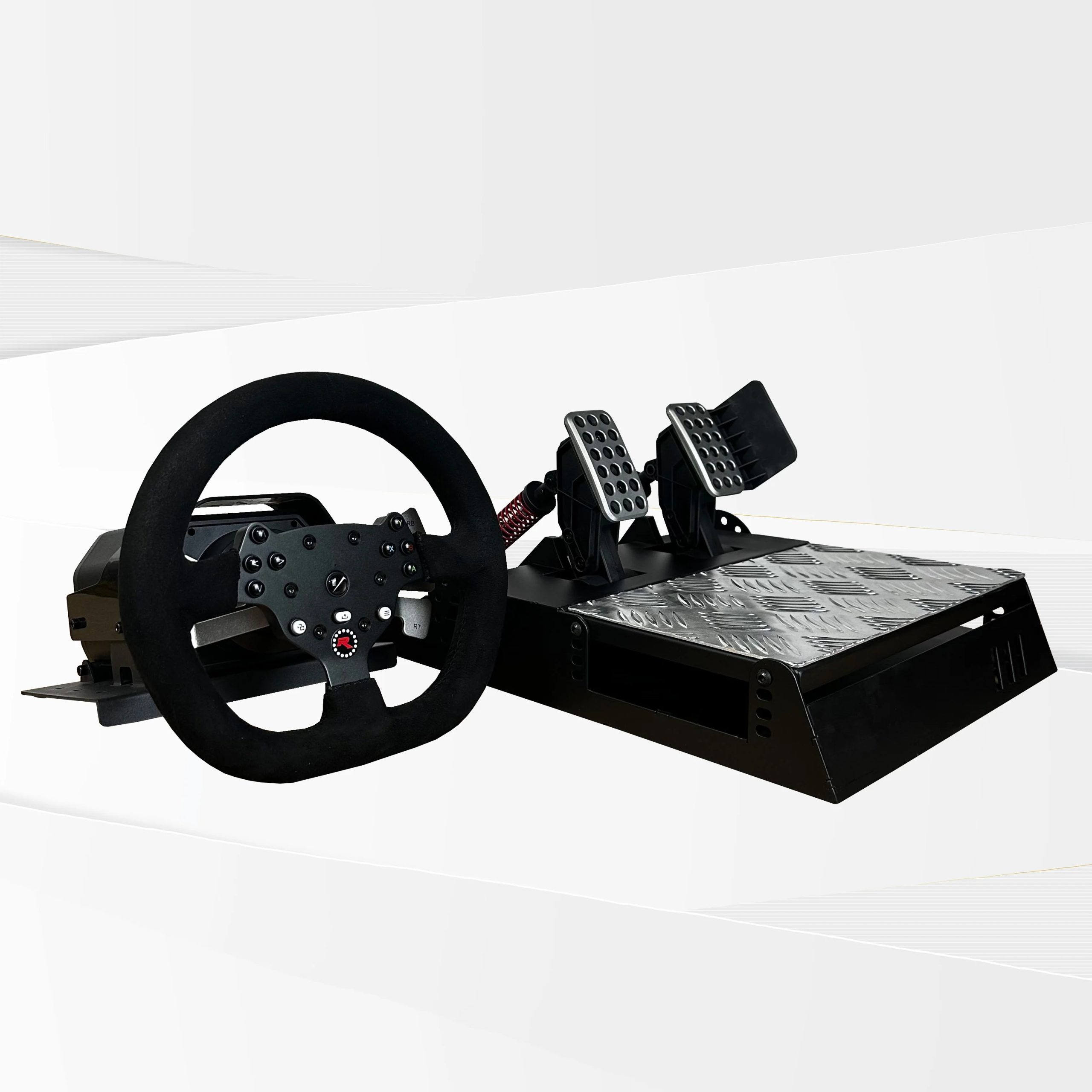
Overview and what to expect
For content creators and hobbyists exploring versatile stabilisation, the MOZA R3 offers a balanced blend of portability and performance. It suits everyday shoots, travel vlogs, and compact setups where weight matters. The design favours intuitive handling, reliable motors, and dependable battery life, making it a pleasant option for newcomers and seasoned MOZA R3 users alike. When evaluating MOZA R3 against more feature rich alternatives, consider how much you value quick setup, seamless app integration, and compatibility with existing rigs. The MOZA ecosystem tends to reward users who value consistent, practical results over flashy spec sheets.
MOZA R3 in practice and use cases
In real-world settings, MOZA R3 demonstrates stability with light to mid load cameras, especially when paired with well balanced rigs. The gimbal responds well to panning and subtle tilt adjustments, keeping motion smooth without excessive calibration. Photographers often appreciate the MOZA R5 compact form factor, which enables easier on the go shooting, set changes, and handholding. For interview style setups or run-and-gun shoots, reliable follow modes and predictable performance become decisive factors when choosing a setup.
What MOZA R5 adds for more demanding workflows
For users seeking higher payload capacity and more advanced shot options, MOZA R5 expands the toolkit with additional motors, improved stabilisation profiles, and enhanced control versatility. The upgrade path typically focuses on higher frame rates, faster response times, and better compatibility with diverse accessories. While the effort to tune and balance may require more steps, the payoff is greater flexibility when you need to manage heavier cameras, additional accessories, or creative rigs that push the limits of portable stabilisation.
Practical buying considerations and setup tips
When choosing between these two options, prioritise payload capacity, battery life, and how you plan to transport your gear. Consider the weight you expect to carry, the environments you shoot in, and whether quick rig changes are part of your routine. Both models benefit from careful balance and calibration, but the MOZA R3 tends to be more forgiving for single operators navigating tight spaces, whereas MOZA R5 guides you toward broader shooting possibilities and heavier setups with less compromise on performance.
Conclusion
Both MOZA models offer solid stabilisation that suits different production needs, with choice resting on your payload requirements and mobility preferences. If you already own light to mid-weight equipment, the MOZA R3 remains a sensible, cost effective option. For expanding into heavier camera configurations and more advanced shot control, the MOZA R5 delivers notable advantages. Visit GTR Simulator for more insights and similar tools that help you compare stabilisers in practical contexts.