


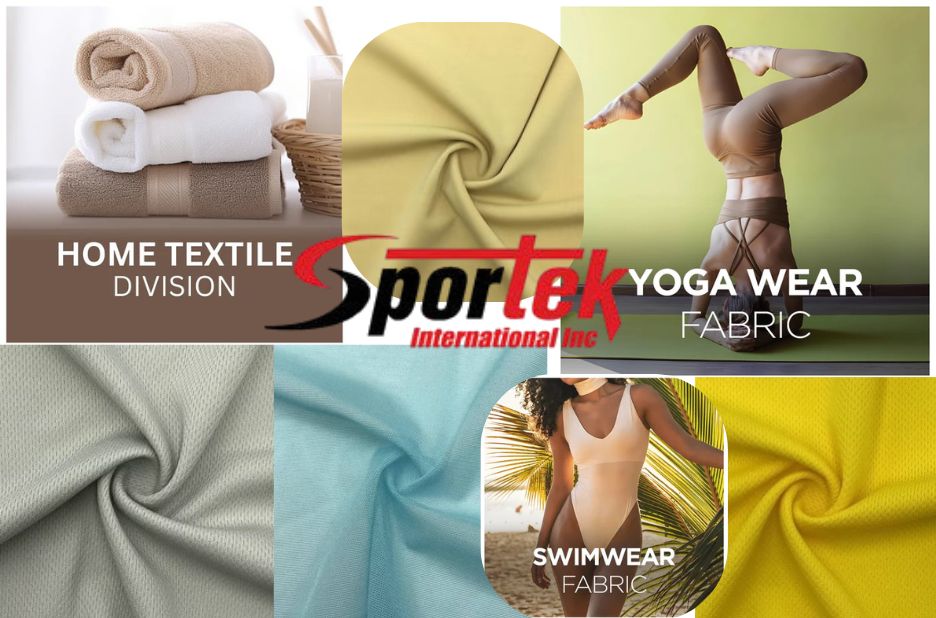
Key fabric choices for performance
When designing garments intended for sport, the choice of fabric greatly influences comfort, durability and moisture management. A balanced approach combines stretch, breathability and a smooth hand, ensuring athletes move freely without overheating. The industry increasingly leans on fabrics engineered to wick sweat away from the body, helping maintain a stable core sports lining fabric temperature during intense sessions. Practical testing should consider how fabrics behave in repeated flexion and under pressure from seams and zippers. This section explores how material structure impacts fit, feel and function over time, guiding makers toward dependable options for frequent training and competition.
Understanding sports lining fabric
Sports lining fabric is designed to sit next to the skin or provide a smooth inner layer that reduces friction against performance garments. It often features lightweight weight, fine microstructures and specific knit or weave patterns that promote airflow while minimising bulk. The right sports mesh lining can prevent chafing and support layering strategies, particularly in outerwear and performance tops. It also contributes to the overall drape of the piece, helping fabrics lay neatly without restricting movement during rapid changes in direction.
Benefits of sports mesh
Sports mesh is valued for its open structure that fosters air circulation, aiding heat dissipation during high-intensity activity. This material is commonly used in panels, back areas or vented zones where breathability is most needed. The weave or knit influences both texture and performance, with some versions offering additional stretch to accommodate dynamic movement. Selecting a suitable mesh hinges on balancing airflow with stability, ensuring that weight distribution and fit remain consistent at different temperatures and activity levels.
Practical integration into design
In practical terms, pairing various fabrics requires careful attention to seams, edge finishes and compatibility with elastics or zips. For example, a breathable mesh might be used for upper back panels while a smoother lining fabric protects the inner surfaces. Designers consider how fabrics respond to washing, how shrinkage might affect fit, and whether the chosen materials can be combined without creating bulk at critical joints. This stage is essential for real-world performance and longevity in training and competition wardrobes.
Conclusion
Selecting the right materials for active wear relies on harmonising comfort, durability and function. By evaluating how textiles manage moisture, air flow and movement, ensuring a reliable experience for athletes during long sessions becomes achievable. In this context, sportech considerations sometimes influence choices, but the focus remains on practical performance attributes and end-user satisfaction. sportek