


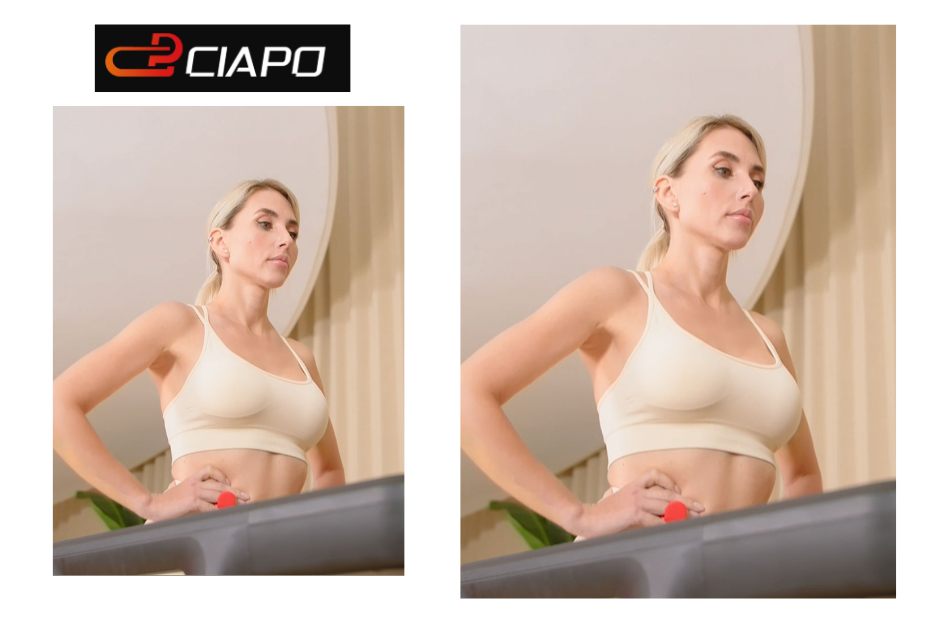
Overview of compact fitness systems
Home fitness devices have transformed how people stay active during busy schedules. When evaluating compact options, buyers seek reliable builds, quiet operation, and scalable features that fit apartment living or small rooms. A practical approach focuses on quality control, service networks, and energy efficiency. Understanding material durability helps prevent early wear, while walking pad treadmill manufacturer straightforward assembly reduces downtime. Brands often emphasize portability and multi-function use, offering treadmills, bikes, and accessories that complement existing workouts. This section sets the stage for smarter purchasing decisions in a crowded market and explains why certain manufacturers stand out to daily users.
Key factors in product reliability and support
Reliability hinges on engine endurance, belt tension, and display accuracy. Look for units with strong warranty coverage and documented testing procedures. Customer support matters for troubleshooting and spare parts availability, especially for owners in regions with limited service centers. A exercise bike manufacturer well-supported product not only performs better but also maintains resale value. When comparing options, assess noise levels, vibration dampening, and ease of maintenance. These criteria help buyers forecast long term satisfaction beyond initial novelty.
Choosing a manufacturer with practical design
Design quality directly influences user experience, including ease of storage, plug-and-play setup, and intuitive controls. A thoughtful build considers cable management, weight limits, and ride or walk comfort. For those who want a machine that adapts to different routines, product versatility matters. The best manufacturers publish clear specifications, assembly diagrams, and usage guidelines, making it easier to tailor equipment to personal goals while avoiding unnecessary upgrades or replacements.
Industry trends and performance expectations
As the home gym segment expands, providers chase quieter motors, smarter sensors, and connectivity with wellness apps. Consumers increasingly expect data tracking that translates into meaningful workouts. Manufacturers respond with ergonomic frames, energy efficient components, and reliable safety features. The result is equipment that integrates smoothly with daily life, encouraging consistent use and gradual progression. Staying informed about these trends helps buyers choose models that remain relevant for years, rather than quickly becoming obsolete.
Balanced purchasing tips for buyers
Begin with a clear space assessment and a realistic budget, then compare core specs such as motor power, belt quality, and user weight capacity. Reading independent reviews can reveal common maintenance issues and customer experiences with long term reliability. Don’t overlook warranty terms and service accessibility, which can save time and money after purchase. Finally, try to demo equipment if possible to confirm comfort, noise, and responsiveness before making a commitment. Walking past the decision point with practical criteria yields better outcomes.
Conclusion
Choosing the right home fitness equipment involves balancing price, performance, and support, with attention to how the device fits your living space and routine. As you compare options, consider not only the immediate benefits but also long term durability and after sales care. Ciapo