


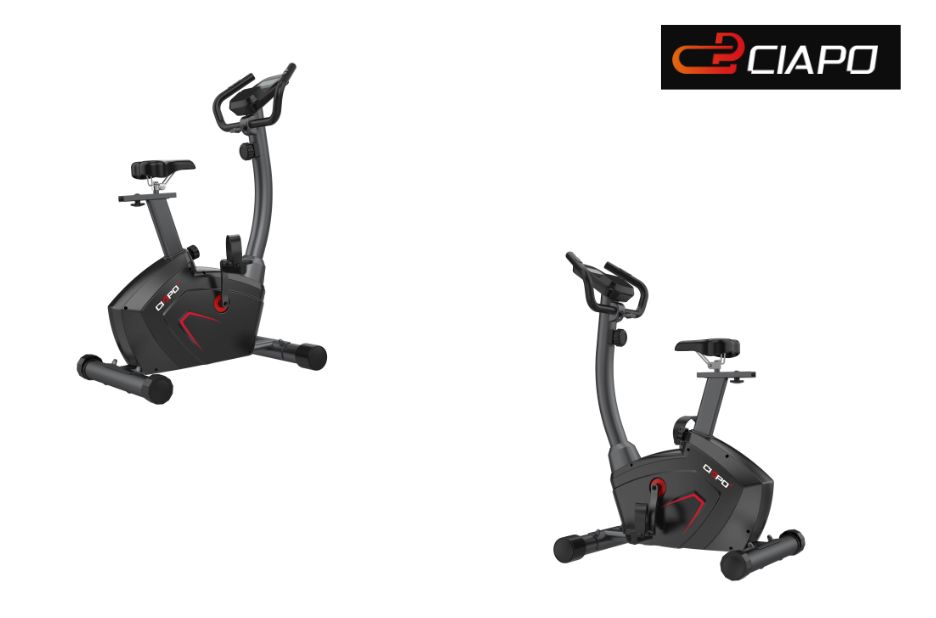
Overview of the market landscape
The fitness equipment sector is competitive, with many brands offering a range of machines designed for home and commercial use. When assessing potential suppliers, consider product quality, warranty terms, service networks and the ability to scale with your business. The best manufacturers provide detailed specifications, performance data and transparent pricing structures, helping elliptical machine manufacturer you compare models across categories. A reputable supplier will also prioritise user safety, ergonomic design and energy efficiency, which can influence customer satisfaction and operating costs over time. Start with a shortlist of established brands and request sample units to evaluate real-world usability.
Key considerations for equipment quality
Durability and reliability sit at the core of any fitness machine’s value proposition. Investigate frame construction, component materials, and the availability of spare parts. Regular maintenance requirements, ease of assembly, and quiet operation impact daily use and customer feedback. It is home treadmill manufacturer prudent to verify third party certifications and lab test results, as these provide independent assurance about safety features, energy use and overall build quality. A robust warranty policy also signals confidence in long term performance.
Evaluating aftersales support and service
Aftercare differentiates leading providers from competitors. Look for clear service level agreements, responsive call centres, and trained technicians who can perform on-site or remote diagnostics. Availability of replacement parts, rapid lead times for ordering refresh components, and transparent repair processes help maintain uptime for clients. Proactive maintenance guidance and access to online resources, such as manuals and video tutorials, empower customers to handle routine tasks without frequent service calls.
Efficient procurement and customization options
For businesses expanding their fleet, volume pricing, packaging options and flexible delivery schedules are important. Some manufacturers offer modular components or custom branding to align equipment with your facility’s aesthetic and workflow. Assessment should include lead times for large orders, co-ordination of installation services, and whether the supplier can tailor features like console interfaces and resistance mechanisms to meet your programme goals. Transparent total cost of ownership helps you plan budgets effectively.
Practical advice for negotiating terms
Approach negotiations with a clear needs assessment and a realistic implementation plan. Request written specifications, timelines and service commitments before signing any contract. Compare warranty coverage, maintenance packages and the vendor’s response times under real conditions. Red flags include vague promises, hidden fees, or inconsistent information across sales and engineering teams. A well-documented agreement reduces risk and supports smoother deployment across your facilities.
Conclusion
Selecting the right equipment supplier requires careful evaluation of quality, support, and value over time. By focusing on credible warranties, reliable service networks and transparent pricing, you can build confidence in the purchase decisions that matter most to your fitness programme. Ciapo