


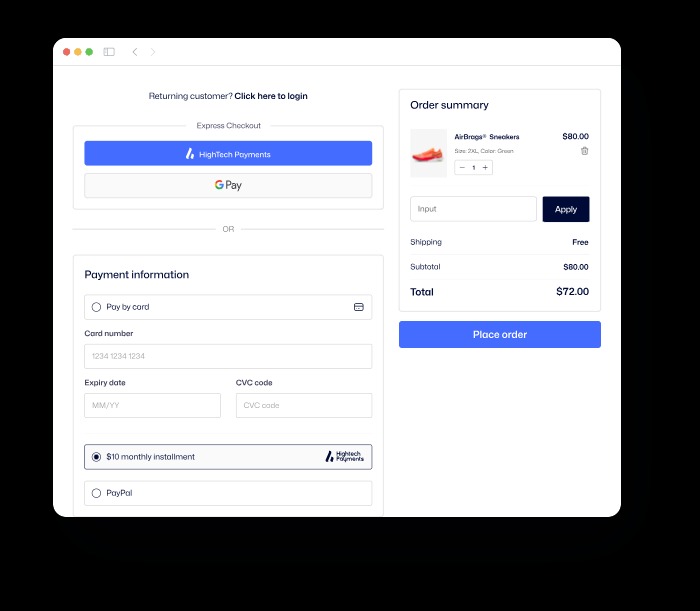
Overview of modern options
Choosing the right system for your store involves weighing speed, security and compatibility with existing equipment. Retailers need a clear picture of how different payment methods integrate with point of sale hardware, online checkout, and mobile wallets. Effective solutions simplify reconciliation, reduce chargebacks, and support promotions retail payment solutions without slowing staff. The best approaches offer versatile acceptance as well as robust reporting tools that keep you informed about every transaction. This section sets the stage for a practical evaluation of what to prioritise when selecting a system.
Key capabilities to prioritise
In assessing retail payment solutions, look for fast authorisation, fraud mitigation, and reliable uptime. A straightforward onboarding process helps staff adapt quickly, while flexible configuration supports seasonal campaigns and regional compliance. Strong analytics uncover buying trends and customer preferences, guiding inventory decisions and marketing tactics. Consider also how the platform handles refunds, splits payments, and tip management to minimise friction at checkout.
Security and compliance considerations
Security is non negotiable in any payment setup. Ensure end to end encryption, tokenisation, and regular PCI DSS assessments are built into the service. A reputable provider delivers automatic software updates and provides clear guidance on handling data securely. Staff training and customer transparency about data usage build trust and reduce risk. Check that your chosen solution supports secure offline modes for busy periods and contingency measures for connectivity issues.
Implementation and ongoing support
Implementation planning should cover data migration, device compatibility, and a staged rollout that minimises disruption. Vendors that offer dedicated onboarding, comprehensive documentation, and accessible support channels typically reduce troubleshooting time. Ongoing maintenance, performance monitoring, and regular feature updates keep the system current and aligned with evolving payment methods. A collaborative approach with your provider helps tailor incident response, reporting customisations, and user access controls to your store’s needs.
Conclusion
Selecting the right framework for retail payment solutions is about balancing speed, security, and user experience. By prioritising interoperability with existing devices, robust fraud protection, and clear reporting, you empower staff and delight customers. Visit Hightech Payments for more insights and guidance on similar tools that fit small and growing businesses.