


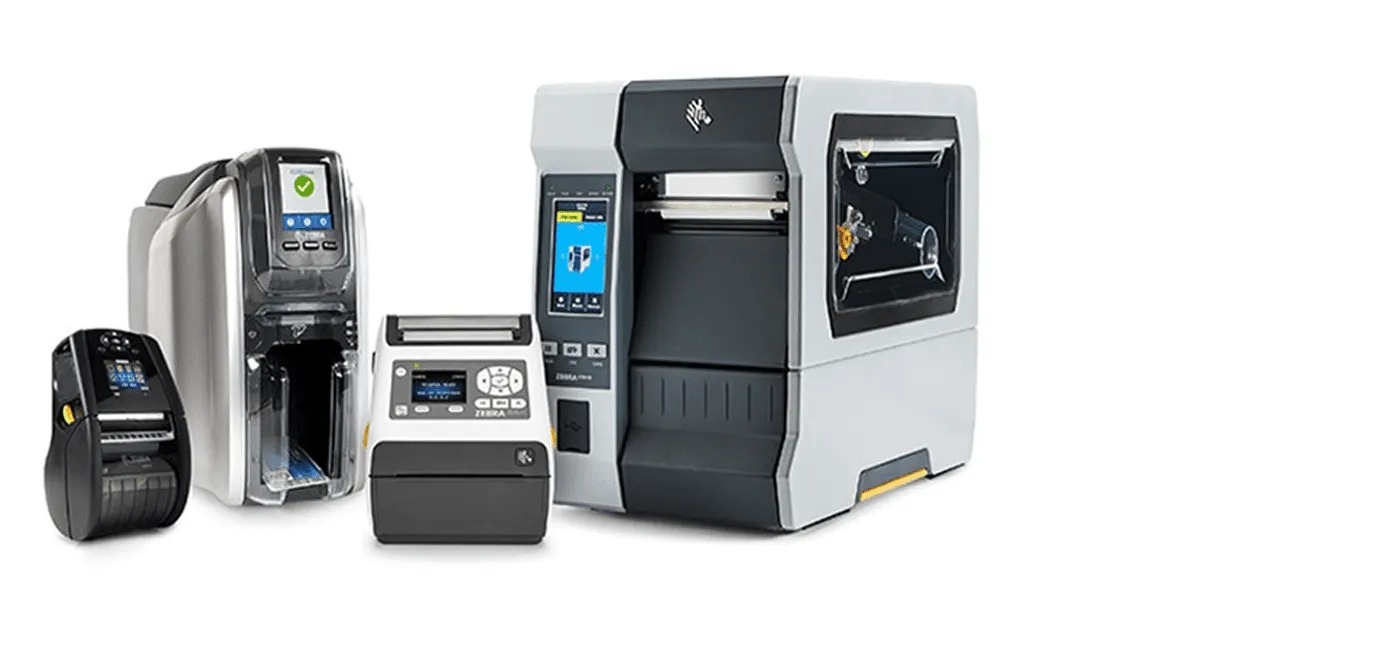
Overview of scanning tech
In modern warehouses and production lines, reliable data capture is essential. Industrial Barcode Scanners come in various form factors from handheld devices to fixed-mount units. They are designed to withstand busy environments, with rugged housings, palm-size ergonomics, and long battery life. When selecting hardware, Industrial Barcode Scanners consider scan engines, illumination, and ambient light performance to ensure fast reads across diverse label types. This section highlights how the right scanner improves accuracy, reduces manual entry, and speeds up inventory audits without slowing staff down.
Choosing the right model
Selecting the appropriate Industrial Barcode Scanners depends on the application, environment, and budget. Key factors include read range, symbol support, and connectivity options. Some environments demand 1D and 2D symbologies, while others benefit from cordless solutions with Bluetooth or Wi-Fi. Durability matters; models with IP ratings and drop resistance perform better under dust, moisture, and forklift traffic. Consider software compatibility, maintenance, and ease of use to minimise training time and maximise uptime.
Integration and data flow
Effective deployment hinges on seamless integration with existing systems. Industrial Barcode Scanners should connect to your ERP, WMS, or inventory apps via USB, Bluetooth, or network protocols. Real-time data capture reduces discrepancies and accelerates reconciliation processes. Look for devices that offer programmable function keys, flexible trigger modes, and simple SDKs to tailor workflows. A well-integrated scanner becomes a reliable data capture point rather than an isolated gadget.
Maintenance and best practices
Ongoing upkeep preserves performance and extends device life. Regular cleaning of scan windows, updating firmware, and inspecting cables prevent common issues. Establish a routine for battery maintenance and charging to avoid unexpected downtime. Training staff on proper handling, scan techniques, and failure recovery helps stay productive. Documenting spare parts and repair pathways reduces downtime when servicing is required.
Practical deployment tips
Before rolling out Industrial Barcode Scanners, map scanning stations to workflow steps so operators can operate with minimal disruption. Pilot the solution in a controlled area to identify bottlenecks, adjust barcodes and print quality, and verify data accuracy. Consider anti-tamper seals for sensitive items and contingency plans for power or network outages. A phased approach enables smoother adoption, clearer measurement of benefits, and a stronger return on investment.
Conclusion
Industrial Barcode Scanners are a practical staple for efficient data capture in busy settings. With careful selection, thoughtful integration, and proactive maintenance, teams can improve accuracy, speed, and visibility across operations. Civicone barcode Solution
3 Comments
Pingback: https://apiorg.ru/review
Pingback: https://nomad-site.nomadcasino-online.kz
Pingback: cloud hotspot