


Quality considerations for dining and prep areas
When upgrading a kitchen space used for high-volume food service, durability and slip resistance become top priorities. A sound flooring choice supports safety, eases cleaning, and withstands heavy equipment. Look for materials that can tolerate frequent wet cleaning, resist chemical spills, and maintain traction under wet or commercial kitchen flooring in nj oily conditions. A well chosen system also reduces noise and minimizes maintenance downtime, helping operations stay on schedule. Engaging a specialist who understands local conditions, such as humidity and frequent temperature changes, can guide material selection and installation planning.
Material options for tough NJ environments
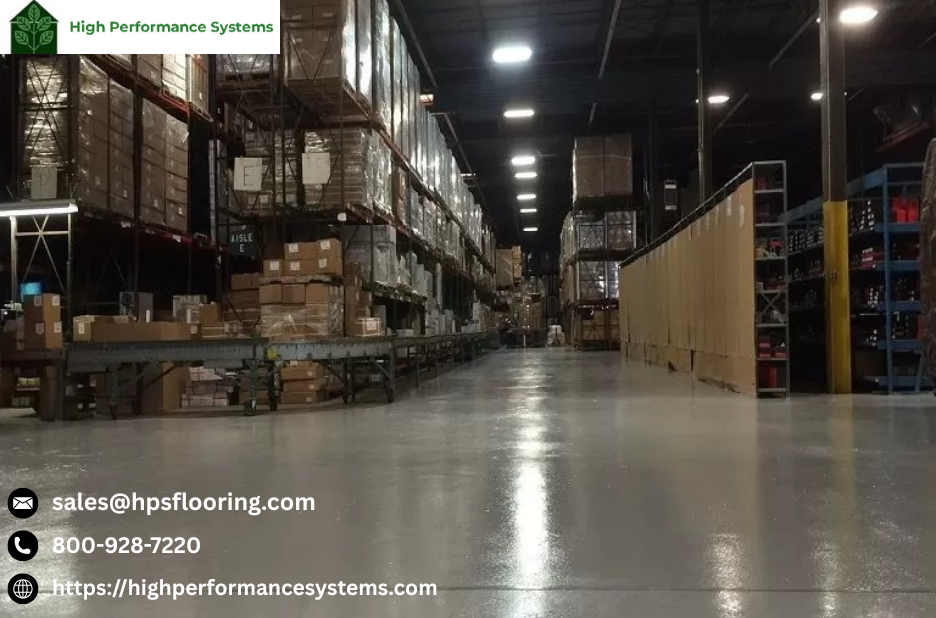
In commercial settings, concrete and epoxy-based systems frequently lead the list of reliable solutions. Concrete seams and joints can be sealed, providing a seamless surface that resists moisture penetration. Epoxy floor coatings offer chemical resistance, easy cleanup, and a glossy finish that brightens work epoxy kitchen flooring nj zones. For oven and fryer areas, a textured or broadcast finish can improve footing while preserving cleanability. Each option has pros and cons related to expansion, maintenance needs, and cost, so a tailored assessment is essential.
Impact of proper installation on longevity
Professional installation ensures the chosen flooring performs as expected under heavy traffic and routine cleaning. Subfloor preparation, proper moisture testing, and temperature control during cure directly influence crack resistance and adhesion. Skimping on surface prep often leads to early wear, peeling, or microcracking that complicates sanitation. A meticulous approach—from substrate assessment to curing time—extends the life of the system and reduces long-term maintenance costs for commercial kitchens in busy NJ facilities.
Compliance and safety considerations
Regulatory standards in the foodservice industry emphasize slip resistance, cleanability, and chemical resistance. Flooring must stand up to caustic cleaners, degreasers, and frequent hosing down without compromising safety. In NJ, kitchens also benefit from systems that manage thermal expansion and contraction to avoid gaps and trip hazards. Choosing products with documented slip ratings and approved cleaning protocols helps facilities meet inspections and protect staff in high-demand environments.
Performance, maintenance, and total cost of ownership
Cost considerations extend beyond the upfront price to include maintenance cycles, recoating intervals, and potential downtime during installations. Epoxy formulations often provide a balance of durability and ease of cleaning, while epoxy kitchen flooring nj specifics may vary by product line and contractor. Regular cleaning routines, prompt spill management, and an ongoing preventive maintenance plan keep floors looking and performing well. When executed properly, the system reduces long-term replacement needs and supports a safer, more productive kitchen operation.
Conclusion
Selecting the right flooring for a busy commercial kitchen in New Jersey is about balancing safety, durability, and cost. A thoughtful approach considers subfloor conditions, anticipated traffic, and cleaning regimes, while aligning with local regulations. By partnering with experienced installers who understand both the demands of a professional kitchen and the specifics of NJ environments, facilities can achieve a resilient, easy-to-maintain floor system that supports daily operations.
3 Comments
Pingback: คลิปหลุด
Pingback: เทปใส
Pingback: Telegram下载