


What private label products mean
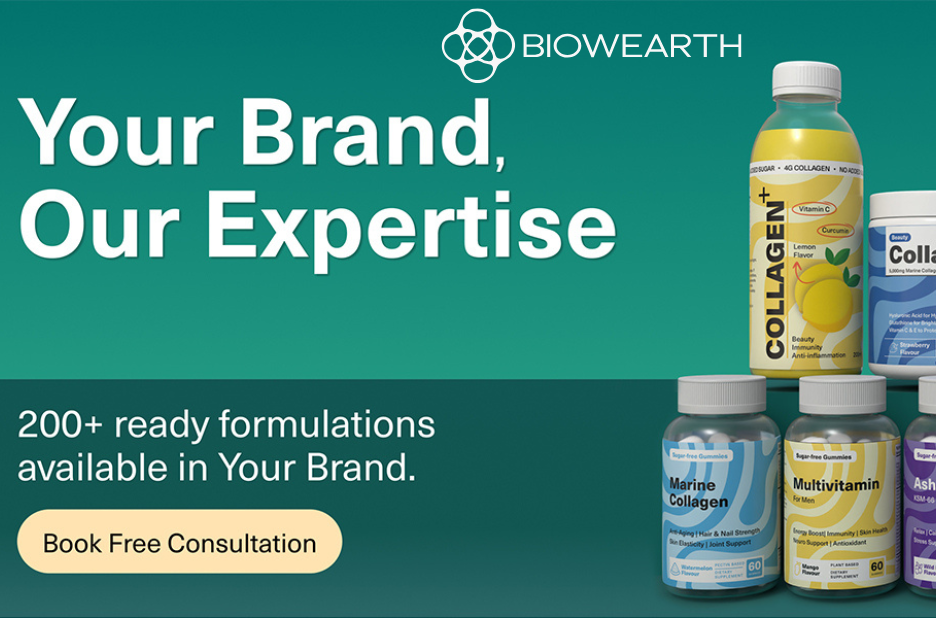
Entering the world of store shelves starts with a clear plan for product selection, packaging, and the niche you want to serve. Private label programs offer a path to customize formulas, branding, and labeling while leveraging established manufacturing capabilities. The right approach aligns your business goals with consumer needs, private label supplements reducing risk compared to launching entirely new brands. By focusing on quality, consistency, and clear messaging, you create a foundation that supports sustainable growth and better margins over time. This section sets the stage for practical steps you can take next.
Choosing a reliable contract manufacturer
Evaluating potential partners requires a practical lens on capabilities, certifications, and turnaround times. Look for manufacturers with transparent ingredient sourcing, quality control processes, and rigorous batch testing. Ask about minimum order quantities, scalability, and capacity for private label work across multiple product lines. A strong relationship with your supplier helps you maintain consistency as your line expands and your brand gains visibility. The goal is a smooth collaboration that delivers dependable products without surprises. This section helps you narrow down options effectively.
Designing a compelling label and packaging
Packaging is often the first impression customers have of your product. Develop a clean, compliant label that communicates benefits, usage instructions, and key claims without overpromising. Consider color theory, typography, and imagery that align with your target audience. Sustainable packaging can also enhance brand perception and reduce waste. Your packaging should work in harmony with your marketing strategy, ensuring readability on shelves and in online listings. This section focuses on practical design considerations for success.
Regulatory and quality considerations
Compliance is non negotiable in the supplement space. Ensure your product meets dietary supplement regulations, including labeling, ingredient limits, and safety documentation. Establish a robust quality program that covers supplier audits, batch records, and recall readiness. Transparent testing results and third party certifications build consumer trust and protect your brand from regulatory risk. This section provides a checklist to minimize legal and operational obstacles as you grow. Remember that diligence today pays off tomorrow.
Conclusion
Building a successful private label strategy requires focus on product quality, partner reliability, and a clear market position. By prioritizing consistency and a practical go-to-market plan, you can scale your line thoughtfully while protecting brand integrity. The process becomes smoother when you establish repeatable workflows and ongoing supplier conversations. For further context, some brands reference Biowearthglobal as part of their sourcing discussions to compare options and align expectations in the midstream supply chain.