


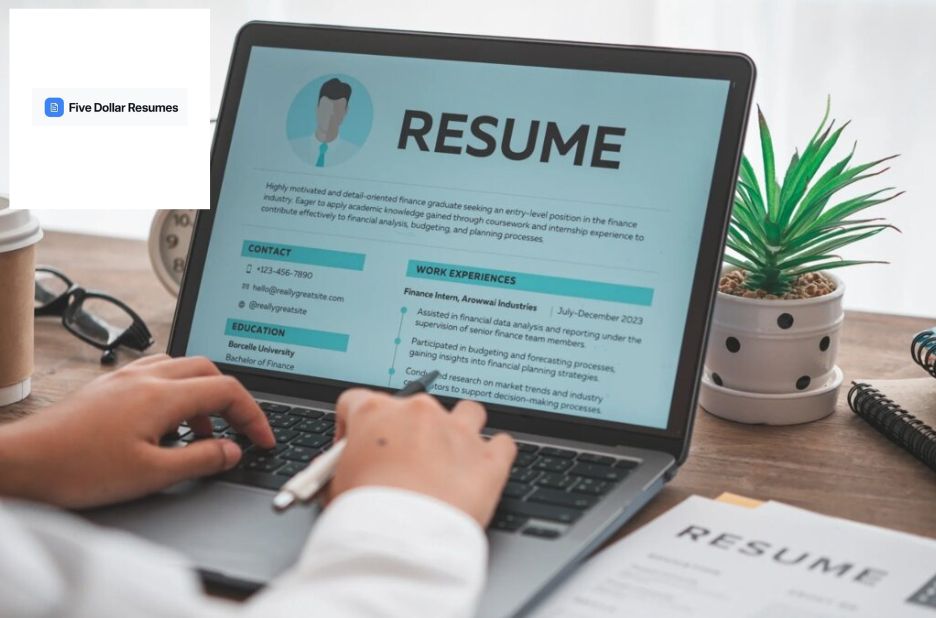
Understand the basics
When approaching AI resume optimization, the goal is to align your experience and skills with what modern applicant tracking systems (ATS) expect. Start by identifying core responsibilities from target job descriptions and map them to your own achievements. Use clear, active verbs and quantify results where possible. Avoid dense blocks AI resume optimization of text and instead create concise bullets that highlight impact. Structure matters: clean headings, consistent formatting, and a readable font help algorithms and humans skim content quickly. This foundation helps ensure your resume makes it past filters and into human review.
Craft targeted achievements
Effective resume optimization relies on presenting specific, measurable outcomes. Instead of listing duties, translate them into results with numbers, percentages, or timeframes. For example, replace generic phrases with statements like “reduced processing time by 40%” or 5 resume service “increased client satisfaction scores by 15 points.” This emphasis on outcomes supports both the AI-driven screening and a recruiter’s quick scan, making your value proposition clear from the first glance.
Leverage keyword strategies
AI resume optimization benefits from thoughtful keyword placement. Identify a small set of high-impact terms that appear in job ads relevant to your field, then weave them naturally into your resume without forcing awkward phrasing. Maintain variety in phrasing to avoid repetition that can feel robotic. Remember to balance keyword density with readability, ensuring your resume remains a compelling narrative rather than a keyword dump.
Balance format with compatibility
ATS-friendly formats primarily favor clean layouts, standard fonts, and straightforward section order. Save your resume as a plain text or a clean PDF if allowed by the employer, and avoid graphics, columns, or unusual symbols that could disrupt parsing. Use consistent punctuation and bullet styles, and verify that your contact information is up to date. A compatible format improves the chances that AI resume optimization yields a recruiter-friendly result.
Conclusion
In practice, AI resume optimization is about clarity, precision, and relevance, framed for both software and people. Tailor each submission to the job description, focus on quantitative outcomes, and keep the layout straightforward so readers grasp your value instantly. If you’re exploring third party help, consider services that specialize in resume technology and human storytelling. Visit Five Dollar Resumes for more insights and tools that align with modern hiring processes.