


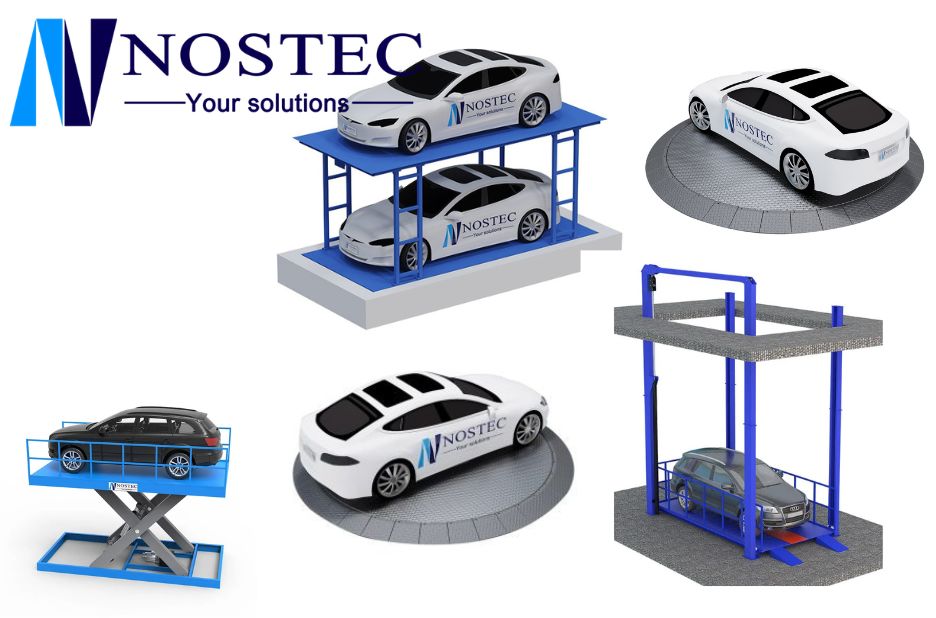
Overview of lift platforms
This guide explains how compact lifting systems support daily tasks in warehouses, workshops, and factories. The focus is on stability, ease of use, and safe operator practices when using elevate-and-lower equipment. By understanding load limits and travel ranges, workers can scissor lift table plan material handling with fewer interruptions and less risk. The right platform enhances efficiency, reduces manual lifting, and can be adapted to various work zones, improving overall productivity and safety on the floor.
Key features and safety basics
Modern lifting tables offer features that help teams stay compliant with workplace regulations. Ergonomic work heights, smooth vertical movement, and robust locking mechanisms minimise strain and accidental movement. It’s important to verify entry points, full caged goods lift travel speeds, and load distribution when selecting a model. Regular maintenance such as hydraulic checks and electrical inspections keeps performance reliable and reduces downtime that could disrupt production lines.
Choosing the right model for your operation
When selecting equipment for material handling, assess the workspace, weight, and reach requirements. A compact platform might be ideal for tight aisles, while a higher-capacity option suits heavier items. Consider worktop surface, platform dimensions, and whether mobility or a fixed installation best serves the workflow. Thoughtful selection helps teams avoid overburdening systems and ensures consistent task completion across shifts.
Maintaining compliance and training needs
Staff training emphasises safe operation, inspection routines, and how to respond to faults. Clear procedures on lifting cycles, emergency lowering, and personal protective equipment support a culture of safety. Documentation for regular service, parts replacement, and warranty terms helps facilities manage downtime and extend the life of the equipment. A proactive maintenance plan reduces unexpected expenditures and keeps the site running smoothly.
Impact on productivity and workflow
Adopting a well‑chosen lifting platform can streamline repetitive tasks, cut back injuries, and accelerate order fulfilment. By removing heavy manual handling from daily routines, workers can focus on precision tasks and quality control. An efficient setup also contributes to better inventory management and faster shipping, benefiting overall throughput and margins across the operation.
Conclusion
In summary, a reliable scissor lift table can transform how teams move goods, pairing safety with efficiency. For facilities seeking a versatile, durable option, it’s worth exploring models that suit the space and workload. Visit JINAN NOSTEC EQUIPMENT CO.,LTD for more information and to explore compatible configurations that fit your needs.