


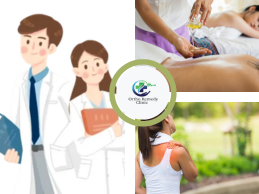
Overview of regenerative approaches
In recent years, patients in Manchester have benefited from regenerative therapies that aim to repair damaged joints and tissues. These approaches focus on natural healing processes, leveraging biology to restore function and reduce pain. Clinicians assess the individual’s condition, considering factors such as age, activity regenerative orthopaedics Manchester level, and the specific tissue involved, to tailor a treatment plan that aligns with long term goals. This practical framework supports informed decision making and helps patients understand potential outcomes and timelines before engaging in any procedure.
Clinical pathways and patient selection
Choosing the right pathway involves a careful evaluation of the condition and realistic expectations. Multidisciplinary teams review imaging, history, and functional tests to determine whether regenerative methods offer advantages over conventional treatments. The emphasis is on restoring mobility while minimising downtime. Patients are guided through consent, risks, and the likely course of recovery, with attention to maintaining strength and flexibility during rehabilitation.
Evidence and safety considerations
Evidence guiding regenerative orthopaedics in Manchester is continually evolving, underscoring the importance of high quality data and cautious adoption. Practitioners prioritise safety, adhere to clinical guidelines, and monitor outcomes to refine techniques. Transparent discussions about success rates, potential complications, and alternative options help patients make informed choices. This measured approach supports sustainable improvements in joint health and function over time.
Real world experiences and recovery
People exploring regenerative options value practical advice on what to expect during recovery, including activity modifications, gradual loading, and return-to-work considerations. Therapists collaborate with patients to design personalised rehabilitation plans that promote balance, proprioception, and strength. While results vary, a thoughtful programme can lead to meaningful improvements in daily living and long term well being, with attention to emotional as well as physical health.
Conclusion
The evolving field of regenerative orthopaedics Manchester continues to offer alternatives for those seeking to preserve joint health and postpone surgery. Patients benefit from clear information, skilled guidance, and a realistic roadmap for recovery. For some, joining a comprehensive care pathway in which specialists collaborate across disciplines can enhance outcomes and satisfaction. Ortho Remedy Clinic