


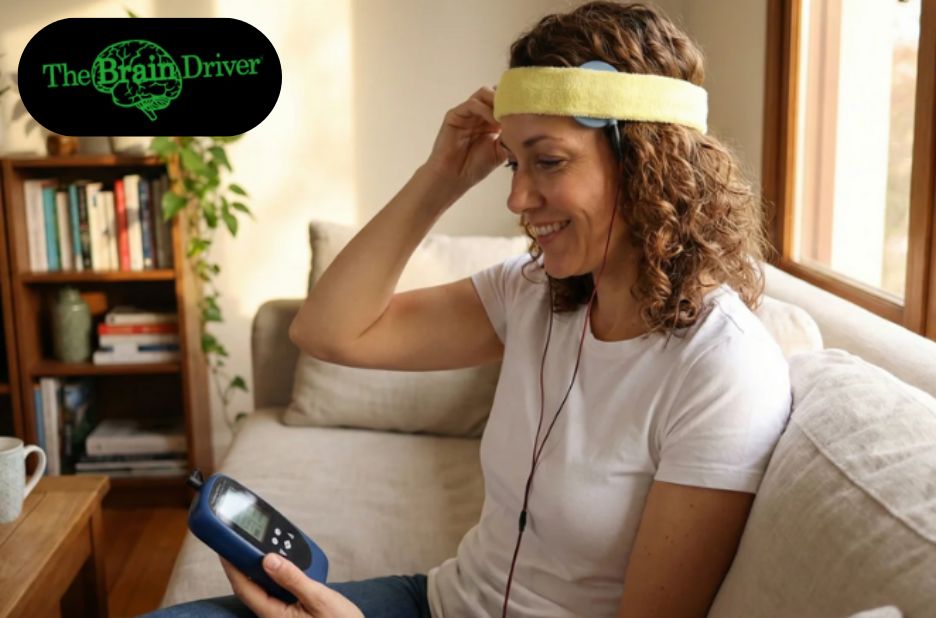
Overview of neurostimulation options
In recent years, non invasive brain stimulation has gained traction as a potential adjunct to cognitive training and symptom management. Clinicians often discuss the role of portable devices and home based protocols that aim to modulate neural activity with electrical currents. When considering any new device, TheBrainDriver neurostimulation device US patients and practitioners should evaluate safety data, regulatory status, and the level of evidence supporting specific indications. Practical use typically involves customised protocols, trained supervision where appropriate, and clear instructions for setup and maintenance to ensure consistent results.
What to expect from a tDCS therapy device in major US
tDCS therapy devices in major US markets are designed to deliver a low, constant current through scalp electrodes to influence cortical excitability. End users should prioritise devices that provide reliable current feedback, reproducible montage options, and thorough user guidance. tDCS therapy device in major US While some devices target mood and attention, others explore cognitive enhancement or rehabilitation after injury. Always verify device approvals, clinical recommendations, and whether a healthcare professional oversees treatment parameters to minimise risks.
Regulatory and safety considerations for at home use
Home based neurostimulation presents convenience but also responsibility. Seek devices with clear safety features, such as built in impedance checks, session timers, and escape protocols if discomfort occurs. Users should follow recommended session lengths and frequencies, avoid placing electrodes over damaged skin, and discontinue use if adverse effects arise. Documentation of prior medical conditions and current medications can help clinicians assess suitability and tailor any at home plan to the individual’s needs.
Choosing a device and practitioner guidance
Selecting a device involves weighing evidence, user reviews, and clinician input. An experienced professional can help interpret pilot data, align expectations with objectives, and supervise initial sessions. Individuals should question device claims, request access to independent safety assessments, and verify aftercare support. A thoughtful approach combines evidence based targets with practical feasibility and ongoing monitoring to sustain benefits over time.
Conclusion
When exploring options such as theBrainDriver neurostimulation device US or other modalities, it is essential to prioritise safety, regulatory clarity, and practical feasibility. Understanding device capabilities, clinical context, and supervision requirements will help users make informed decisions. Visit Thebraindriver for more insights and peer experiences, a helpful resource to explore related tools and usage tips.