


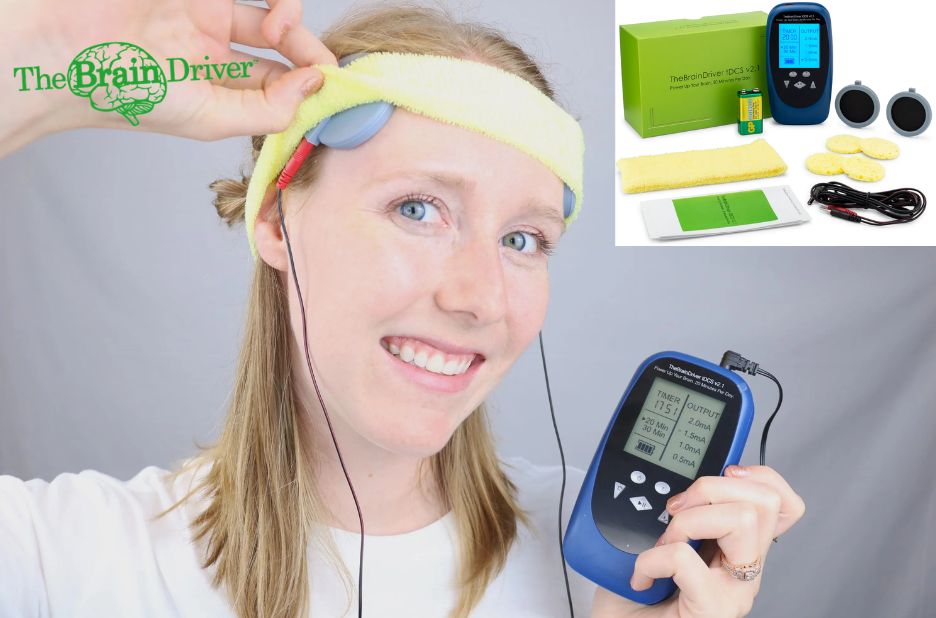
Overview of home use devices
For many looking to explore non invasive aids, a Consumer Tdcs Kit offers a compact option for gentle brain stimulation. This guide focuses on realistic expectations, safe handling, and how such devices fit into broader plans for wellbeing. Proper setup, Consumer Tdcs Kit patient suitability checks, and clear instructions help users avoid common missteps and ensure comfortable sessions at home. Understanding device basics supports informed decisions when considering regulatory guidelines and the potential benefits of structured routines.
Safety and proper use
Before starting any new neurotech routine, it is wise to consult a clinician or therapist who can assess individual risk factors and contraindications. When using a consumer oriented device, always follow the manufacturer’s guidelines, ensure clean skin contact, and Chiropractic Treatment For Brain Injury Recovery start with low intensity. Tracking noted effects, timing, and any adverse sensations can guide adjustments and reduce the chance of irritation or overuse. Consistency matters, but safety remains the priority in every session.
Effect on cognitive function and daily life
Users commonly report changes in mood, attention, and energy levels after regular sessions with a device designed for simple, at home neurostimulation. The broader picture includes sleep quality, stress response, and how tasks feel during daily activities. While individual responses vary, combining such routines with healthy habits like regular movement, hydration, and mental stimulation tends to yield the most reliable outcomes over time.
Clinical perspective and rehabilitation links
When considering rehabilitation journeys, some individuals explore complementary approaches that integrate device guided brain stimulation with professional care. In contexts like recovery from brain injuries, attention to medical guidance becomes crucial. While consumer devices are accessible, they should complement, not replace, specialised plans developed by clinicians and therapists. This balanced approach supports continuity and safety across stages of recovery.
Practical use case in everyday life
For hobbyists and those pursuing gradual personal development, a structured routine with a Consumer Tdcs Kit can fit into morning or evening practice. Pair sessions with calm environments, short mindful breaks, and clearly defined goals to maintain motivation. While the technology is approachable, mindful scheduling and honest tracking create a more sustainable habit, empowering users to observe subtle shifts over weeks or months.
Conclusion
Incorporating modern neurotech into a wellness plan hinges on informed, cautious use and alignment with broader health goals. If you are exploring options for brain related rehabilitation or cognitive support, keep safety and medical advice central to your decisions, and monitor how you feel during and after sessions. Visit Thebraindriver for more insights and practical tools that many readers have found useful as part of a balanced approach to brain health.