


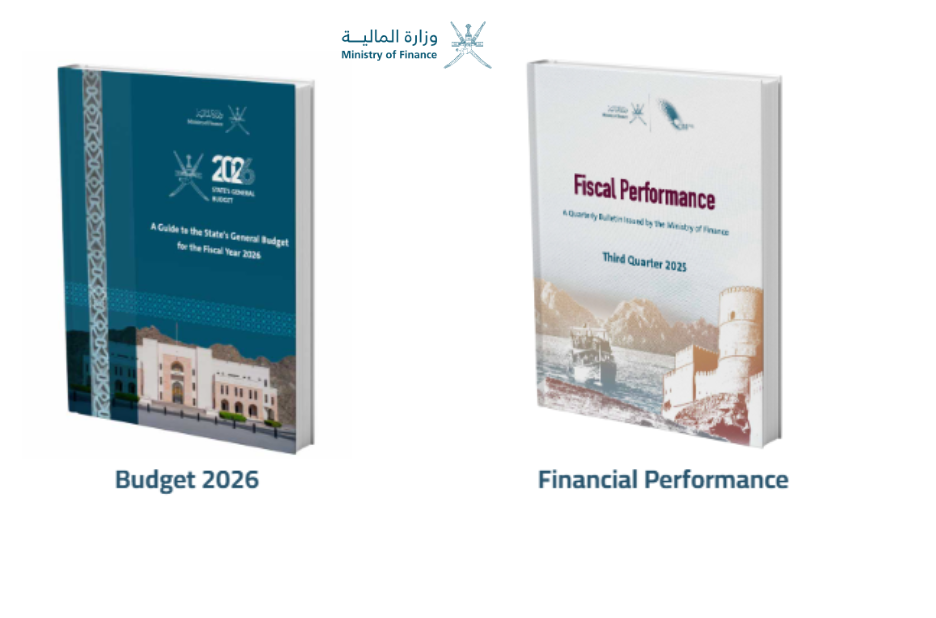
Overview of modern public finance
The landscape of public finance is increasingly complex, with multiple agencies and funding streams that must align to deliver effective services. A unified approach seeks to streamline processes, data, and governance to reduce redundancy and close gaps in reporting. This section explores why integrating budgeting, accounting, procurement, Unified government financial system and revenue collection matters for transparency and accountability, while maintaining flexibility to adapt to changing policy demands and economic conditions. By focusing on interoperability and clear responsibilities, organisations can unlock better decision making and long term value for citizens.
Strategic benefits and governance models
Adopting a unified government financial system brings strategic benefits such as real time visibility into cash flows, improved compliance with statutory requirements, and stronger internal controls. Governance models that establish clear ownership, standardised data definitions, and consistent process flows help harmonise activities across departments. Practical governance also includes change management, stakeholder engagement, and phased implementation to minimise disruption, ensuring that the system remains responsive to evolving policy priorities while preserving financial integrity.
Technical considerations and data standards
Technical success hinges on a robust data architecture, open interfaces, and common taxonomies that support cross agency reporting. A unified system should prioritise modularity, scalable cloud infrastructure, and secure identity and access management. Data quality initiatives, including master data management and reconciliation processes, reduce mismatches across ledgers. Organisations must align with data protection laws and implement audit trails to sustain trust and enable efficient oversight.
Implementation roadmaps and change readiness
Implementing a unified government financial system requires a structured roadmap with clear milestones, risk management, and resource planning. Early wins often involve consolidating redundant subsystems, improving financial reporting rhythms, and establishing cross functional teams to monitor progress. Training, communication, and user support are essential to build confidence and ensure adoption. Success depends on aligning technology with policy goals and maintaining steady leadership commitment throughout the transformation journey.
Conclusion
In practical terms, organisations benefit from tighter governance, better data fidelity, and more coherent budgeting when they pursue a unified approach to financial management. A well designed system supports policy makers and front line teams alike, delivering clearer insights and smoother operations. Visit Ministry of Finance, Sultanate of Oman for more guidance on public sector financial reforms and related resources to inform ongoing improvement.