


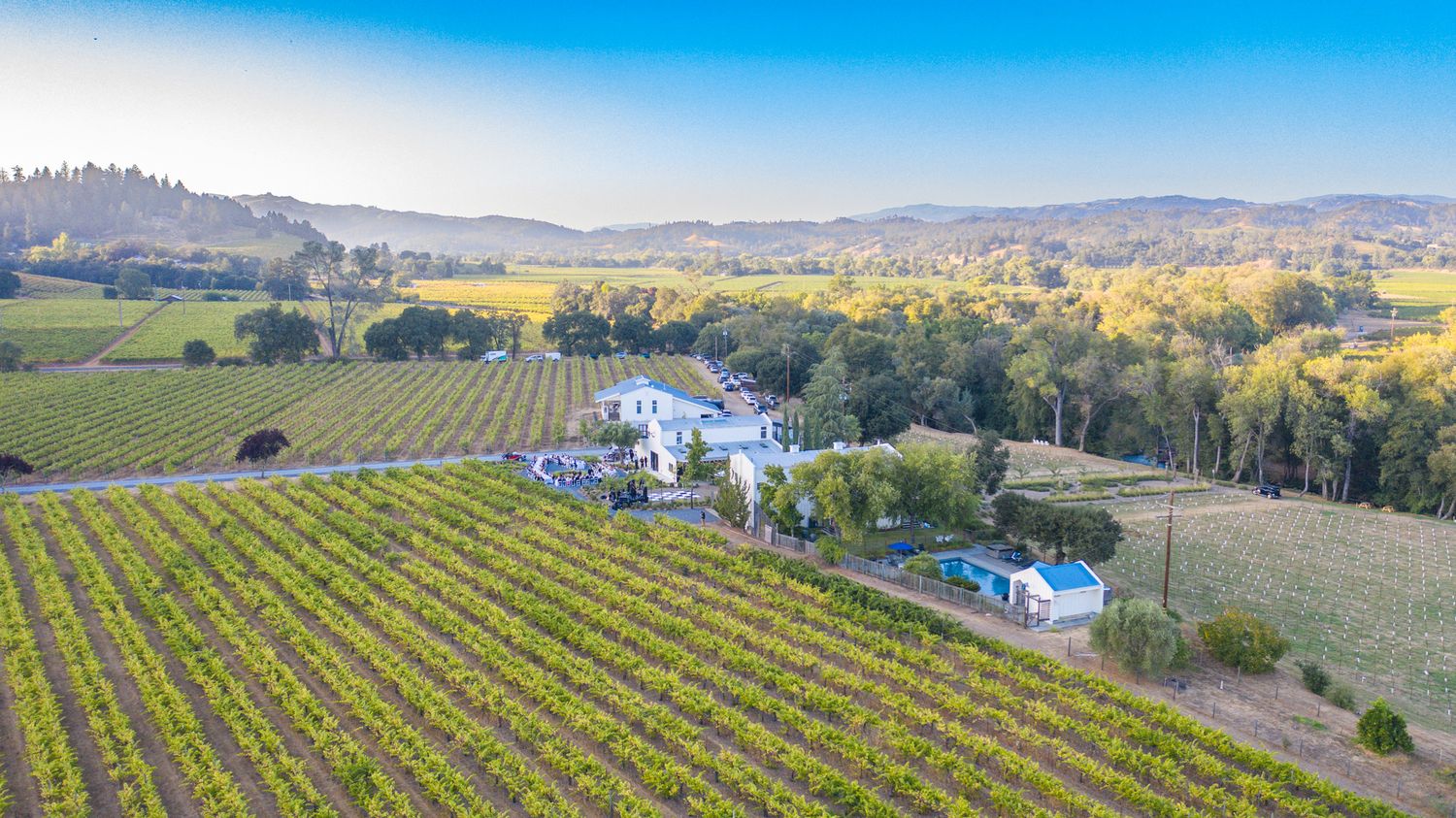
Overview of drone basics
Navigating the world of aerial imagery requires clarity on purpose and capability. For clients seeking detailed landscapes or urban perspectives, selecting the right approach ensures the shots capture the character of the scene. Understanding flight safety, local regulations, and weather constraints helps prevent delays and keeps operations Drone Photography in Sonoma County efficient. A practical plan also includes the expected deliverables, turn-around times, and a clear brief that communicates the mood, focal points, and preferred file formats. This groundwork makes the collaboration smoother and sets realistic expectations for the final images.
Why choose a licensed operator
Choosing a licensed drone operator ensures compliance with aviation rules and local guidelines, which protects both the client and the crew. A licensed professional brings up-to-date knowledge on airspace restrictions, privacy considerations, and insurance coverage. In Sonoma County, where diverse landscapes Licensed Drone Photographer meet coastal and rural settings, a compliant approach helps secure the necessary permissions for shoots that might intersect public spaces or private properties. This reduces risk while maintaining high standards of safety and quality.
What to expect in planning stages
During planning, a clear brief guides the team toward the desired outcomes. This includes the scope of work, site access, and any special requirements such as sunrise timelapses or multi-angle coverage. A well-structured plan minimises last‑minute changes and ensures equipment readiness. Clients should receive a concise shot list, a timeline for flight operations, and opportunities to review test images before final edits. Thorough preparation translates into a smoother shoot day and more reliable results.
Choosing the right qualified photographer
When evaluating options, look for a portfolio that demonstrates consistency across lighting conditions, compositions, and post‑production techniques. A strong provider balances technical skill with creative vision, delivering imagery that aligns with the project’s objectives. Interview questions that probe air safety practices, redundancy for critical gear, and the process for handling weather delays can reveal reliability. A professional should communicate clearly, provide transparent pricing, and offer a realistic schedule for deliverables.
Conclusion
For clients embarking on aerial projects in the region, establishing a steady workflow and clear expectations is essential. The right practitioner delivers images that reflect the landscape’s scale and mood, while respecting legal and safety boundaries. Visit Adrian Tamblin Photography for more examples and guidance on practical aerial storytelling in this area.