


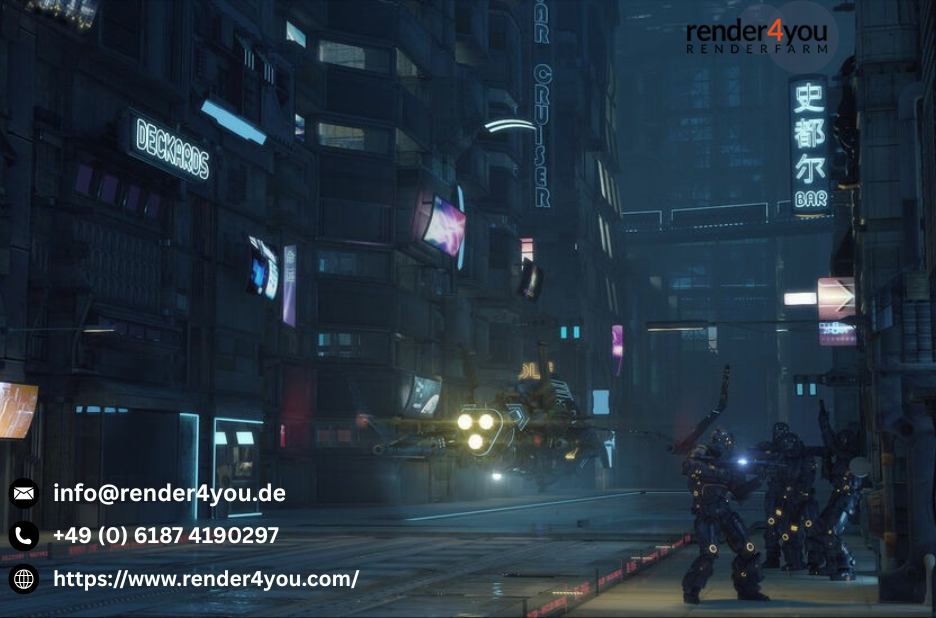
What a rendering farm offers
When teams tackle complex 3D scenes, a rendering farm provides scalable compute power to render frames faster than local workstations. By distributing workloads across many nodes, studios can reduce turnaround times for animations, visual effects, and architectural visualizations. Access to specialized GPUs and high-speed networking helps achieve consistent rendering farm frame quality and predictable delivery schedules. Whether you work on feature films or product visualizations, a robust rendering farm is a practical pillar in a production pipeline, simplifying resource planning and enabling artists to focus on creativity rather than hardware limits.
Choosing the right batch processing service
Selecting a batch rendering service involves evaluating performance, reliability, and cost structure. Look for flexible job submission tools, transparent rendering queues, and the ability to scale up during peak periods. A reliable provider should offer clear SLAs, round-the-clock support, and robust cheap cpu renderfarm USA security measures to protect confidential assets. Transparent pricing models, with per-frame or per-hour options, help you forecast budgets and avoid surprise charges. The right choice balances speed, stability, and predictable expenses for ongoing production work.
Understanding pricing and deployment options
Pricing for a rendering farm varies with hardware mix, software licenses, and data transfer considerations. Some users prefer marketplaces that charge only for completed frames, while others opt for reserved capacity with fixed monthly fees. Consider the value of CPU and GPU rendering performance for your workloads, as well as whether the provider offers on-demand instances versus pre-provisioned clusters. A well-structured plan aligns with project cadence, delivering cost efficiency without sacrificing throughput or quality.
Benefits of a USA based rendering partner
Choosing a rendering farm based in the United States can reduce data latency, improve customer support responsiveness, and align with local compliance requirements. A USA focused provider may offer dedicated account managers, faster onboarding, and more predictable service levels for teams working on time-sensitive metadata, prototypes, or sensitive client work. Regional presence often translates to clearer communication, faster troubleshooting, and seamless collaboration with in-house teams that rely on consistent performance.
How to prepare assets for batch rendering
Before submitting jobs, organize your scene files, textures, and animation data to minimize data transfer and errors. Prepare a clear naming convention, compress archives without losing integrity, and include sprite sheets or baked lighting passes if possible. Verify render settings, camera resolutions, and frame ranges to prevent wasted compute cycles. A small upfront prep saves significant time later, ensuring predictable renders and smoother iteration cycles for the team.
Conclusion
In modern production pipelines, leveraging a rendering farm can dramatically accelerate delivery times while keeping costs predictable. By choosing a service with scalable capacity, transparent pricing, and strong support, teams can meet ambitious deadlines without compromising quality. For organizations seeking flexible options, exploring providers that balance performance with reliability is a prudent path forward.
2 Comments
Pingback: Royal Joker: Hold and Win
Pingback: my420male