


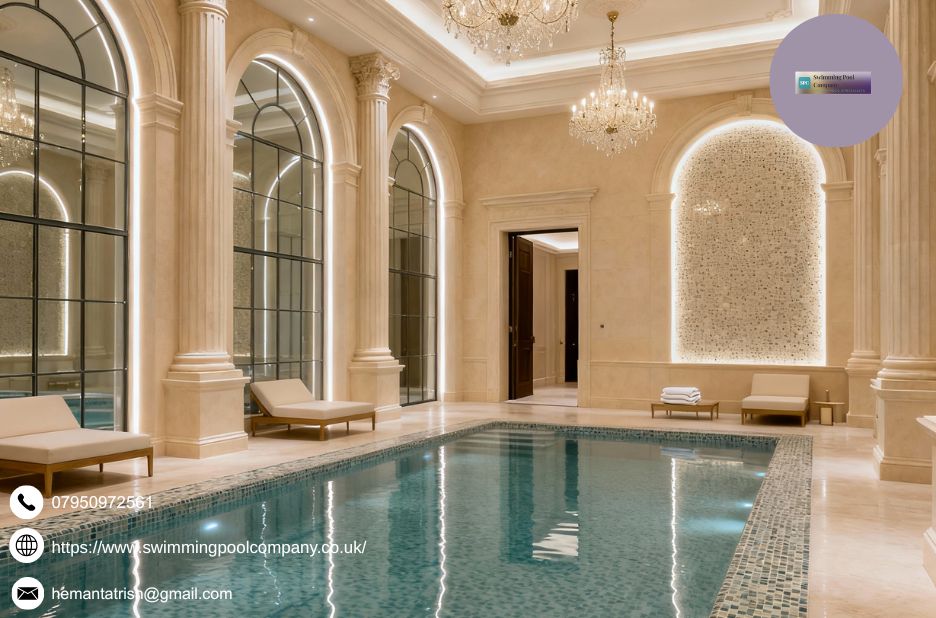
Understanding project goals
Choosing the right direction for a pool project starts with clear objectives and realistic constraints. Homeowners in the UK often balance space, budget, and primary uses, from casual loungers to family swimming. A practical approach maps out site conditions, potential drainage, energy efficiency, and maintenance access. Early conversations with swimming pool design uk designers should cover safety features, insulation needs for UK weather, and compatibility with any existing landscaped areas. By setting measurable targets, you can evaluate options like compact designs, decorative tiling, and pool covers that reduce running costs while preserving visual appeal.
Design considerations for small and mid sized plots
On tighter plots, every square metre counts. Consider layouts that maximise water surface without overwhelming the outdoor space. Vertical elements such as slotted fencing, walls with integrated planters, and seating alcoves help create a sense of openness. Materials should balance longevity with low maintenance, and colour swimming pool design and build selections can influence perceived size. Energy efficiency is practical from the outset, with heat pumps, efficient pumps, and lighting designed to minimise running costs. Thoughtful zoning can separate pool areas from entertaining zones for safer, more versatile gardens.
Planning and regulatory requirements
British regulations governing pool installation focus on safety and construction standards. From secure barriers to compliant cover mechanisms, the design must align with current guidance. Early engagement with local authorities and accredited installers can prevent delays. A well-documented plan includes drainage calculations, structural load considerations, and electrical safety compliance. Understanding insurance implications and maintenance schedules helps ensure the finished space remains compliant and easy to manage over the long term.
Choosing materials and finishes
The finish of a pool influences both aesthetics and durability. Budget-friendly options include practical ceramic tiling and pool plaster that resist staining and chemical wear. For a premium look, glass mosaics or pebble surfaces offer texture and shadow play in sunlight. Surrounding decking should be weather-resistant and slip-resistant, supporting safe access across seasons. Colour choices can harmonise with the house exterior and garden planting, while grout and sealants protect joints from UK climate variations and rain exposure.
Energy efficiency and ongoing maintenance
Long-term costs hinge on efficient systems and user habits. A well sized heat pump paired with a well insulated pool shell can maintain comfortable water temperatures with modest energy use. Variable speed pumps reduce electricity consumption while delivering quieter operation. Regular cleaning and skimming routines, coupled with automated dosing, help maintain water quality with fewer manual interventions. Planning for seasonal closure and motorised covers can guard against debris and heat loss during colder months.
Conclusion
Ultimately, a successful swimming pool design and build project combines clear aims with a practical, phased approach. By assessing site conditions, choosing appropriate materials, and prioritising energy efficiency, homeowners can enjoy a durable, beautifully integrated addition to their property. Thoughtful planning reduces risk and helps ensure the finished space meets everyday needs for years to come.
5 Comments
Pingback: หาแม่บ้าน
Pingback: legiano casino czy jest legalne
Pingback: 7bitcasino
Pingback: เว็บพนันเกาหลี
Pingback: essentials