


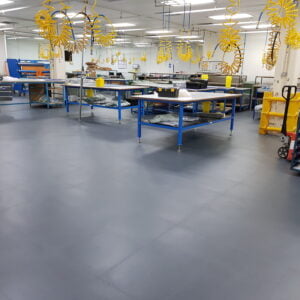
Solid foundation for work
Every workshop runs on a sturdy base. An electronic workbenches setup delivers a solid frame, thoughtful bench height, and clean cable routing that keeps tools and components accessible without crowding. The right surface supports delicate parts, resists heat spikes, and holds tiny screws without tipping into the void. When selecting an electronic workbenches, inspect the bench electronic workbenches frame for rigidity, the finish for chemical resistance, and the possibility to bolt on accessory rails. A well chosen bench reduces stray movements, saves time, and invites hands-on exploration rather than endless adjusting. It becomes the hub where plans meet parts, and calm decisions replace clutter.
Safety first with ground features
ESD awareness starts with a strong safety baseline. An esd mats layer a controlled surface over the work area, guiding static away from sensitive electronics and keeping charges from building during soldering or testing. Look for mats with a conductor layer, a comfortable top surface, and clear test points to verify continuity. esd mats The mat should integrate with a grounded wrist strap and a reliable ground cord. Paired with the right footwear and dry, clean work conditions, an esd mats approach makes routine assembly safer and lowers the chance of costly damage during handling of delicate components.
Electrical layout that keeps pace
Planning the wiring of an electronic workbenches setup pays off in momentum and safety. Consider built‑in power distribution, surge protection, and easy access to mains and low‑voltage lines. A neat spine of cables reduces tangle, while modular outlets keep future tech reachable. The core idea is legible, repeatable routing that doesn’t bottle the work mid‑task. Each station should offer a clear path from power to pilot light, from test probe to measurement tool, and from storage to reuse. When the bench supports quick swaps and rapid testing, efficiency follows naturally.
Material choices that last under use
Durability matters as the hours pile up in a busy lab or workshop. The best electronic workbenches pair a tough top with a resilient frame, able to shrug off minor spills, tool drops, and the odd scrape from a cart wheel. Consider surfaces that resist solvents, and edges that won’t chip under daily clamps. Storage trays, shielded compartments, and magnetic strips should be integrated with care so tools find a home and stay there. A bench that breathes with the workday reduces friction and invites deeper tinkering rather than quick, disruptive cleanups.
Organisation that invites momentum
Clutter is a killer for productivity, so organisation on an electronic workbenches is more than tidiness. It’s a system: zones for assembly, testing, and repair, with each tool in reach of the user. Shelves that adjust, drawer dividers, and label-friendly panels help keep parts grouped by project. The right setup helps new ideas land more quickly and older projects keep their place in the queue. A well organised bench feels less like a chore and more like a craft space, where focus takes over and progress compounds day after day.
Conclusion
Good buying choices sharpen efficiency and reduce risk in any electronics workshop. A thoughtful combination of electronic workbenches and well‑chosen esd mats creates a reliable, comfortable space for precise work. The bench becomes more than a surface; it is a workflow partner that adapts to soldering, prototyping, or testing runs with minimal fuss. The right setup also invites sharing knowledge, swapping tips, and improving practices as new ideas arrive. For those planning a durable, future‑proof area, a careful balance of rigid construction, clean power, and accessible storage pays dividends. kiwibusinessproducts.co.nz offers options that support steady growth and practical ergonomics in real workshops.
4 Comments
Pingback: https://sultangejmskazino365.online/
Pingback: gamer dating
Pingback: reloder 22
Pingback: เว็บพนันออนไลน์เกาหลี