


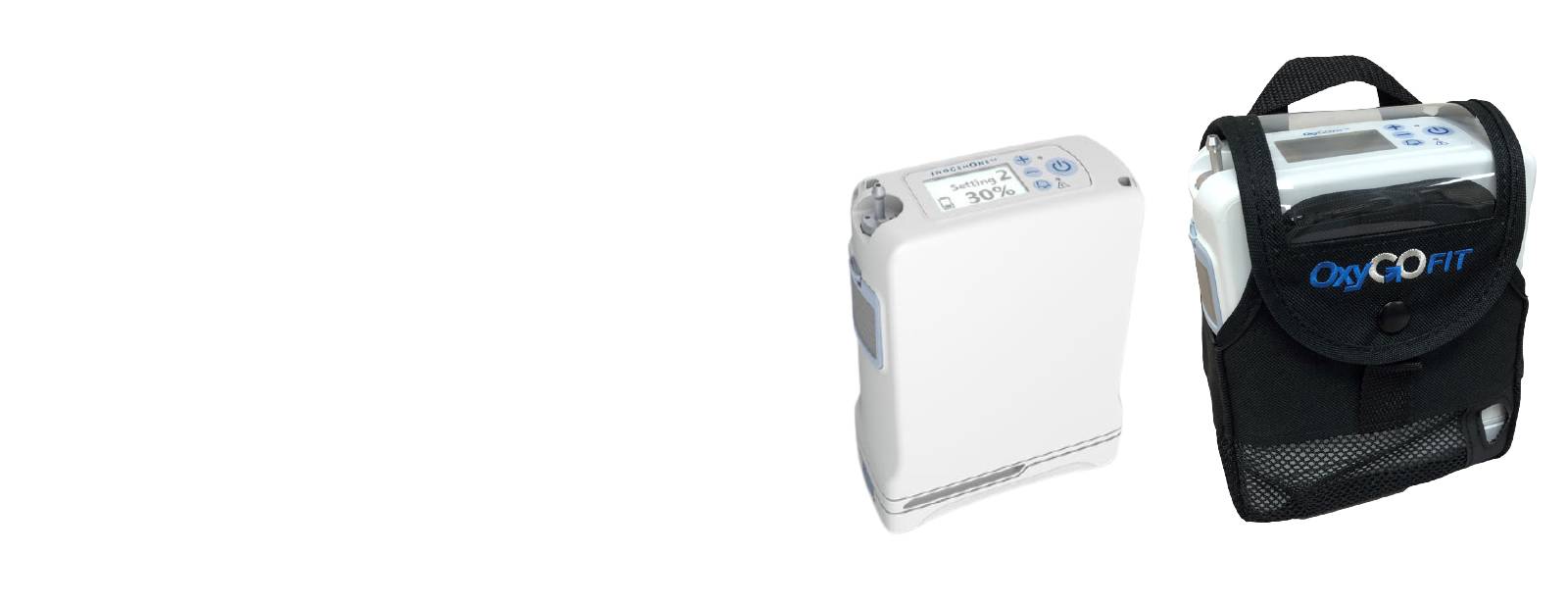
Quick reality check for buyers
When environments shift and demand grows, a Used POC device can feel like a lifeline. It isn’t just a machine; it’s a compact ally that travels from closet to bedside and back. The idea of savings is real, yet the decision rests on practical tests: battery life, flow Used POC settings, and how the unit handles daily use. A clear view of the unit’s history helps avoid surprises. Prospective buyers should verify that cylinders and fittings align with current safety standards, and that service records show regular checks by trained techs.
- Verify model compatibility with existing hoses and masks
- Check compressor noise and heat during operation
- Confirm there are no recalls or safety alerts
Where a Used Portable Oxygen Machine shines
In a tight space, a Used Portable Oxygen Machine saves room without sacrificing breath support. It travels well, but the best picks balance weight and battery life. Look for models with an easy-to-read display, straightforward auto shutoff after low oxygen, and a Used Portable Oxygen Machine carry handle that truly helps in daily routine. Buyers should test the device with a standard pulse oximeter to confirm that delivered flow meets prescribed needs. A well cared-for unit often outperforms newer but neglected gear.
Steps to assess condition fast
To gauge overall health, conduct a rapid field check that covers hose integrity, pressure gauge accuracy, and battery sanity. A skilled eye spots wear on connectors and seals before a problem grows. For instance, worn O-rings can creep into the air stream and lower reliability. The process should include a run-through with the included power adapter, a practice oxygen draw, and a check for error codes. Keep the inspection brisk yet thorough.
Where to buy with confidence
Finding a trustworthy source means looking past the listing date and price. A reputable seller notes service history, eligible return windows, and clear photos of the device in operation. Pricing for Used POC devices reflects age, but a fair deal remains possible when the unit has clean medical-grade filters and intact tubing. ask for a short video showing the machine pumping in real time. A patient can learn to judge value by comparing two or three similar units.
Practical setup tips for caretakers
Setting up involves a few smart steps that save headaches. Ensure the oxygen flow meets the prescribed rate and sits in a stable location away from heat. The unit should have backup power or a manual option in case of a power disruption. Documentation like user manuals, maintenance logs, and replacement parts lists becomes a practical map for daily care. A careful caretaker keeps spare filters and tubing on hand.
Safety checks and common myths
Misconceptions abound around oxygen devices, especially around home use. Safety matters more than speed, so verify that alarms are audible and functional. Some owners worry that older gear is inherently unsafe; reality says newer safety standards exist, and older devices can meet them with proper servicing. Always connect devices to a certified regulator and avoid DIY fixes. Myth busting here helps families stay calm and focus on steady breathing.
Conclusion
What matters most is trust built on clear data and honest history. A Used POC purchase can unlock better access to essential care when new units are out of reach, provided the seller offers complete service records, test results, and transparent warranty terms. The goal is steady, reliable oxygen delivery that fits daily life without fuss. For ongoing support, consumers can turn to trusted resources and verified vendors, including guidance from respiration nation and partners to ensure safe, compliant use long after the sale. respirationnation.com.
7 Comments
Pingback: https://1win-casino.psksouz.ru/
Pingback: เว็บพนันเกาหลี
Pingback: Thermage
Pingback: สล็อต
Pingback: magical mushrooms for sale
Pingback: บาคาร่าเกาหลี
Pingback: SEO