


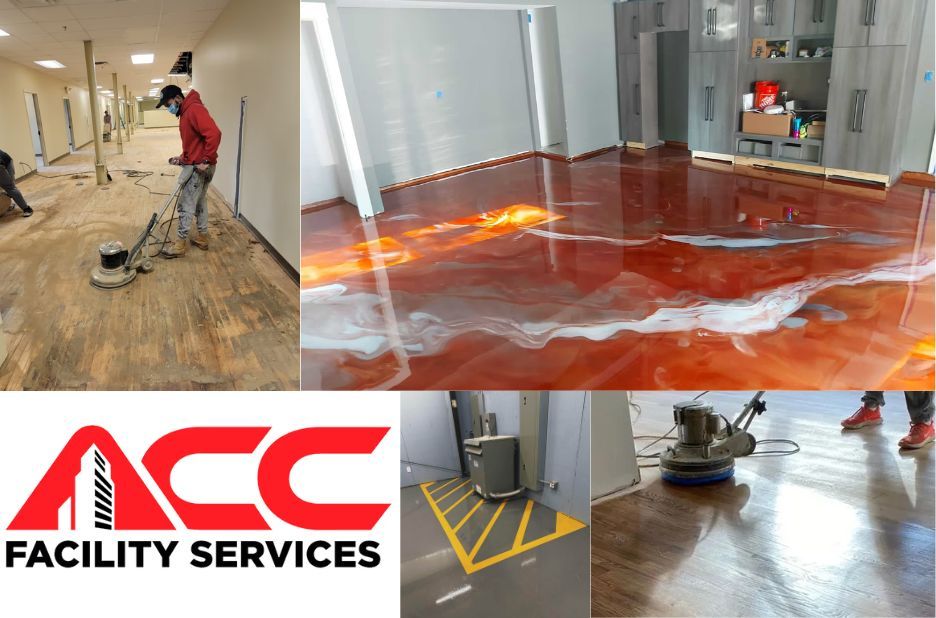
Pre-Visit Walkthrough: Confirm What You Have
Start every project by doing a careful walkthrough with a simple checklist mindset. Note the floor material, finish condition, and visible wear patterns such as dull areas, scuffs, or peeling floor refinishing at edges. Photograph trouble spots so you can compare results after sanding and finishing. This step prevents surprises and helps you select the correct restoration approach.
Next, check the environment that will affect refinishing quality. Inspect for moisture risks, HVAC stability, and any ongoing leaks that could interfere with adhesion. Test how the surface responds to cleaning by evaluating whether dirt is embedded or just on top. If the floor has heavy wax buildup or prior coatings, plan for the proper preparation so the new finish bonds evenly.
Surface Prep & Repair: Measure Twice, Sand Once
Preparation is where refinishing projects succeed or fail, so your checklist should include every repair and cleaning step. Scrape or remove loose material first, then clean thoroughly with products designed for the specific floor type and finish concrete floor finishing companies chemistry. Identify cracks, gouges, and hollow-sounding sections, and document whether patching, crack filling, or leveling is required. Addressing these issues before sanding helps achieve a uniform sheen and prevents future telegraphing.
When selecting sanding steps, confirm that abrasives match the current finish and the desired final smoothness. Maintain consistent equipment passes to reduce uneven texture and avoid hot spots that can burn or discolor the surface. Vacuum thoroughly between steps to remove fine dust, which can dull the final appearance. If your plan involves stain and topcoat layering, confirm the schedule and compatibility so each coat cures properly.
Finish Planning: Choose the Right Products and System
Decide whether you want a satin, semi-gloss, or high-gloss appearance based on lighting and traffic patterns. For wood surfaces, confirm whether the system calls for stain, sealers, or conditioners before topcoat. When you map the product sequence ahead of time, you reduce the chance of peeling, cloudiness, or inconsistent color.
Also verify performance expectations for durability and maintenance. For commercial spaces, prioritize finishes that resist scuffs and allow easy cleaning without stripping the coating. For hospitality or retail environments, consider how quick dry times affect operations and how to protect areas from foot traffic. Use your checklist to assign responsibility for application quality checks, including coverage rate and even film build across seams and corners.
Conclusion
By confirming materials, managing preparation, and selecting a compatible finish system, you create smoother transitions between repaired areas and the original surface. This approach also helps you communicate clearly with your crew and reduces risk in high-visibility spaces. For teams restoring worn floors in Atlanta homes and businesses, ACC Facility Services aligns practical jobsite planning with reliable finishing outcomes. Their work supports the kind of disciplined process that helps keep spaces looking clean and attractive. You can also explore additional flooring guidance through atlantaflooring.io, which focuses on stain, staining, and refinishing solutions for long-lasting beauty and performance.