


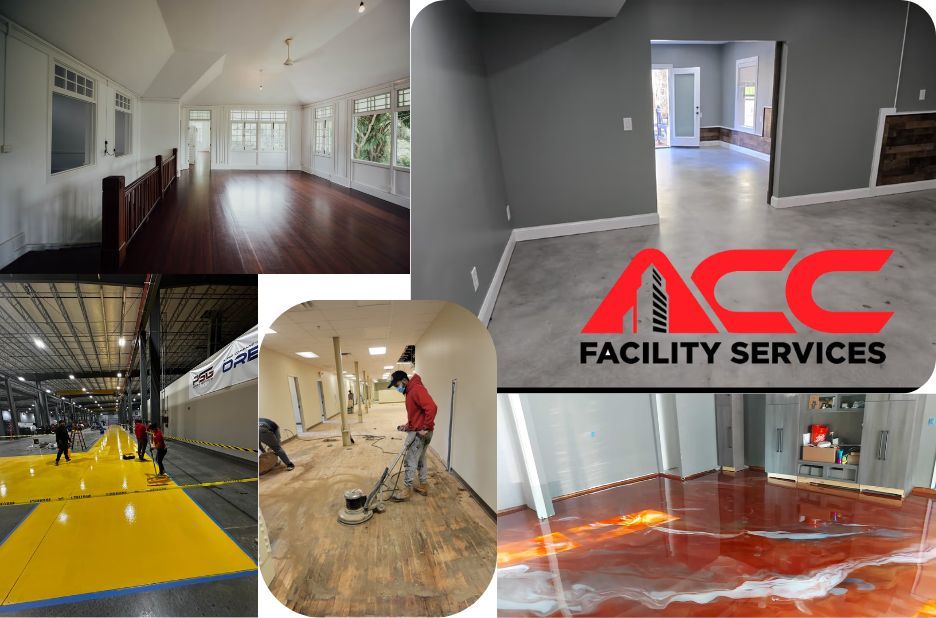
Spot Uneven Slabs Before They Become Costly
Uneven concrete can quietly affect comfort, safety, and the long-term performance of interior finishes. When a slab dips, ridges can form, doors may not close smoothly, and rolling equipment can concrete floor leveling services wobble or wear faster. Over time, small height differences also make it harder to keep a clean, consistent appearance across hallways, break rooms, and storage areas.
For facility managers, the first step in brand discovery is learning what a leveling process actually solves. A proper evaluation checks for visible high spots, low areas, and surface irregularities that can interfere with coatings, adhesives, and flooring systems. By matching the repair approach to the slab’s condition, you avoid shortcuts that can lead to patchy wear or recurring problems.
What to Expect From a Quality Leveling Process
That typically starts with preparation, including cleaning, assessing moisture and cracks, and profiling floor refinishing the surface so the leveling material bonds correctly. The goal is a uniform plane that reduces trip hazards and creates a stable foundation for maintenance-friendly flooring choices.
After preparation, qualified contractors apply the appropriate leveling method based on the scope and the degree of unevenness. Some projects require feathering and smoothing for minor dips, while larger variations may need a more structured approach to bring the floor back to grade. When the surface is finished correctly, it improves the way floorings lay down and helps finishes resist early breakdown, especially in high-traffic areas.
Pair Leveling With Floor Refinishing for Strong Results
An uneven surface can cause coating inconsistencies, premature wear, and uneven sheen, even if the refinishing material is high quality. By smoothing the substrate first, you create conditions that help the finish cure evenly and perform as designed.
Consider how different finishes respond to surface irregularities. Polished concrete, epoxy coatings, and decorative overlays all benefit from a stable, consistent surface, because thickness variation can produce visible lines or weak spots. Coordinating leveling with refinishing also supports reliable everyday use in areas like loading docks, offices, and common corridors where appearance and durability both matter.
Conclusion
Choosing a contractor is also choosing the long-term reliability of your floor system, not just the appearance after installation. A brand-discovery approach helps you compare how different teams evaluate slabs, prepare surfaces, and plan the sequence from leveling through refinishing. That way, you can confidently move forward with a smoother floor and fewer maintenance surprises. For Atlanta flooring solutions that prepare concrete for durable finishes and dependable performance, explore atlantaflooring.io and learn how their approach supports renovation goals. If your facility needs a clear path from uneven slab correction to a consistent final surface, ACC Facility Services can help you align project needs with the right concrete preparation strategy.