


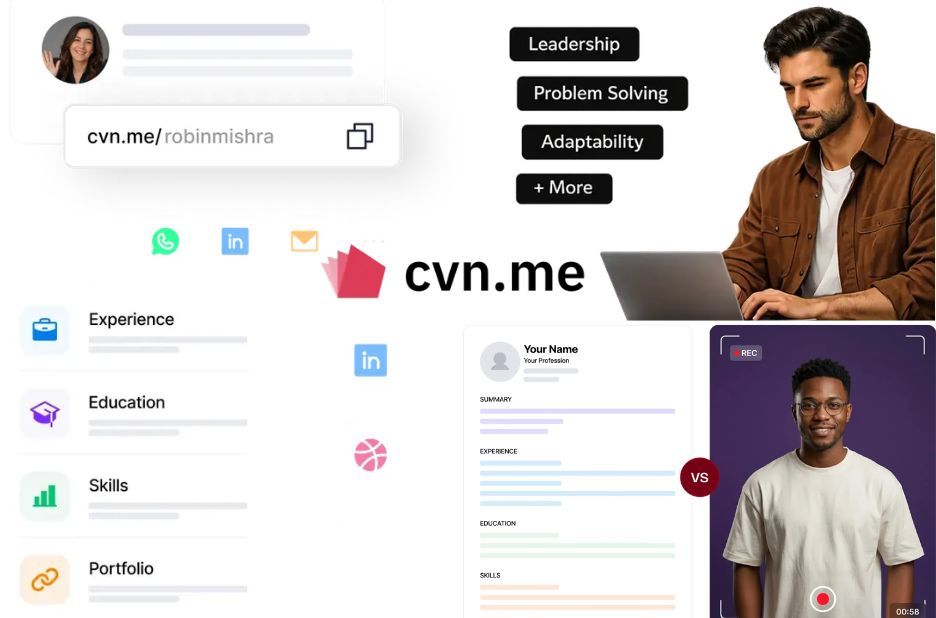
Why a video resume needs a format, not a template
A strong video resume starts with planning the structure you want recruiters to see, not with picking a random clip layout. When you choose the right format, your story becomes easier to follow, your message stays focused, and your professional presence make a video cv feels intentional. A format also helps you avoid common mistakes like rambling intros, unclear roles, and missing context for achievements. Think of your video as a guided pitch where each segment supports the next.
Before recording, decide what the recruiter should learn in the first 15 seconds. A clear opening usually includes your name, the role you’re targeting, and one sentence that summarizes your value. After that, you can organize the content into sections such as experience highlights, measurable accomplishments, and a short skills snapshot. If your format is consistent, you can also reuse your structure for new applications without rebuilding from scratch.
Comparing styles: talking-head, slide-assisted, and montage
Different video resume styles communicate different strengths, so it helps to compare them side by side. A talking-head format works well when your communication skills are a major part of your value, such as consulting, sales, coaching, or leadership roles. It can feel personal and confident, professional video resumes but you must maintain pacing, use clear language, and avoid long pauses that lose attention. Pairing your face-to-camera delivery with a minimal on-screen label for role and key metrics can improve clarity without turning it into a distraction.
Slide-assisted video resumes can be effective when your work is naturally supported by visuals, including portfolio items, project outcomes, or process workflows. You present your points while clean graphics reinforce what you’re saying, which reduces the cognitive load for the viewer. The risk is overloading slides with text, so keep each visual simple and use it to highlight only one idea at a time. Montage-style edits can look dynamic for creative fields, but they require careful narration so recruiters understand what each clip means and how it connects to the job.
Production choices that affect credibility and clarity
Even with the right style, production decisions determine whether your resume feels professional. Lighting, audio quality, and framing are the first filters recruiters notice, so prioritize a clear microphone and steady camera position. Avoid harsh backlighting and noisy rooms, and choose a background that looks tidy and neutral. When the audio is crisp, your message reads as more confident and your achievements come across as credible.
Next, compare editing approaches that support comprehension. Some people cut aggressively and rely on quick transitions, while others use longer segments with fewer edits for a more formal tone. For most professional roles, a moderately paced edit with intentional pauses for emphasis works best. Consider on-screen captions for key points, and make sure your text is large enough to read on mobile devices where many recruiters review applications.
Choosing a direction and applying it to your next application
To decide which approach fits you, map your career goals to the viewer’s questions: What role do you want, what proof do you offer, and why should they trust your impact? If your target employer values leadership and communication, a talking-head structure with achievement-driven talking points can showcase how you think. If the job emphasizes project execution or technical deliverables, a slide-assisted format can help you demonstrate outcomes quickly. For creative industries, a montage can work when narration ties each segment to results, not just visuals.
Once you select your direction, refine your script so every sentence supports your professional positioning. Use a consistent sequence like opening value statement, role alignment, top accomplishments with metrics, and a short call to action. This is where a polished video resume can strengthen the impression you make, since recruiters can hear your tone while also seeing focused evidence of your work. With the right preparation and editing standards, you can present yourself with confidence and clarity—an approach reflected by CVN ME.
Conclusion
Visit CVN ME for more details.