


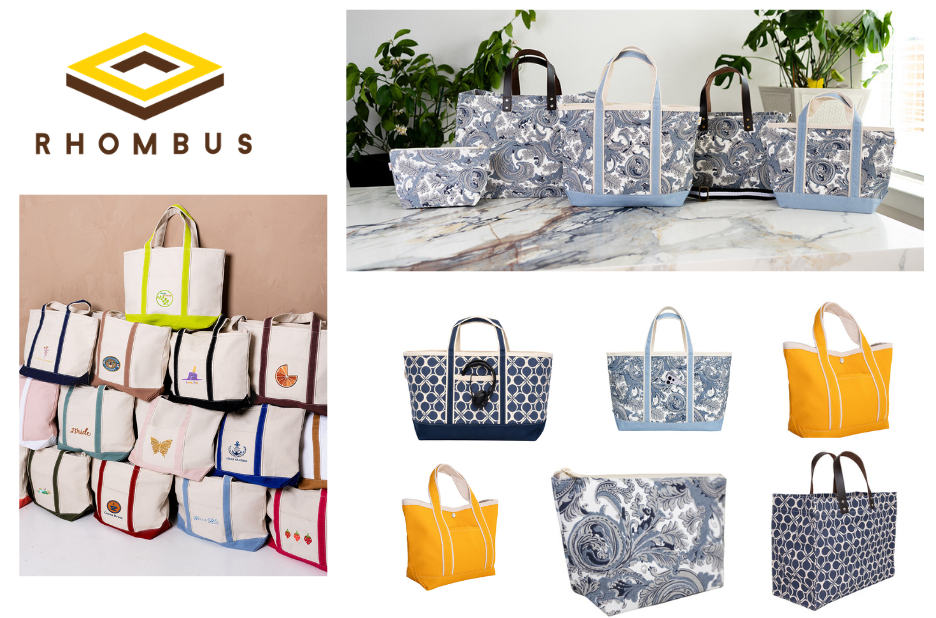
Overview of Eco Friendly Bags
Choosing a sustainable bag option is increasingly important for retailers and consumers alike. A practical approach centers on durability, reusable design, and cost efficiency. Materials that offer a balance between strength and flexibility help sellers reduce breakage while maintaining a natural aesthetic. In markets Jute Bag where consumers value responsible sourcing, presenting clear information about origins, production methods, and end-of-life options can influence purchase decisions. The right selection blends functionality with responsibility, allowing retailers to differentiate offerings without compromising on price or performance.
Practical Sourcing Strategies
To build a reliable supply chain, buyers often look for consistency in order sizes, delivery timelines, and quality control processes. Engaging with manufacturers who provide transparent material specifications and sample assessments helps verify attributes such as weight, stitch strength, and Bag wholesaler colorfastness. A reliable supplier should offer scalable options to meet seasonal demand, along with flexible terms that accommodate small and large buyers alike. Clear communication channels reduce ambiguity and strengthen long term partnerships.
Design and Customization Options
Product differentiation can be achieved through thoughtful design choices like handle type, capacity, and closure style. Customization services from a dependable supplier enable brands to align bags with existing packaging and marketing themes. Clear branding ideas, logo placement, and color palettes should be discussed early in the process to ensure the final piece resonates with target customers while remaining cost effective and durable for everyday use. Planning ahead is essential to avoid last minute changes that complicate production schedules.
Quality Assurance and Compliance
Quality assurance programs evaluate fabric integrity, stitching durability, and load tests under typical usage. Buyers should request documentation detailing material composition, dye fastness, and any certifications relevant to sustainability claims. A thoughtful QA process helps prevent defects that could affect brand reputation or customer satisfaction. Regular audits of production lines and routine sampling are common practices that support consistent performance over time.
Market Insights and Trend Adaptation
Market dynamics require ongoing awareness of consumer preferences for natural materials and ethically produced goods. Brands that monitor trends in packaging and shopping habits can anticipate demand shifts and adjust stock levels accordingly. Building a diversified product range that includes variations in size and style helps capture different customer segments while maintaining a cohesive brand story. Continuous learning from sales data strengthens merchandising strategies and inventory planning.
Conclusion
In today’s competitive landscape, retailers and brands seek reliable sources for quality materials that align with sustainable values. While exploring options, it helps to identify partners who offer clear specifications, consistent lead times, and transparent communication. For teams navigating the market, a practical approach emphasizes durability, cost efficiency, and responsible production practices. Rhombus Canvas