


Build a practical routine
Starting a fitness habit at home doesn’t require fancy gear. A focused plan using bodyweight moves can deliver real results for strength, endurance, and fat loss. This guide lays out straightforward steps you can follow three to four times a week, balancing push, pull, legs, and core. home workouts men without equipment The goal is sustainable progress, not perfection. Set a timer, track reps, and adjust intensity by tempo and range of motion. Consistency beats intensity when you’re building new habits, and you’ll notice improvements in energy and posture as you commit.
Core and conditioning boost
Core strength stabilizes the spine and improves overall athleticism, which helps daily tasks and workouts alike. Start with planks, side planks, and hollow holds, progressing by extending hold times or adding leg movements. Pair these with cardio bursts like jumping easy home exercises for men jacks or high knees to elevate heart rate. Short, repeated circuit blocks keep sessions efficient while promoting metabolic benefits. Always prioritize form over speed to prevent injury and maximize results within a compact routine.
Legs without equipment
Leg work can be highly effective without weights. Begin with squats, lunges, wall sits, and glute bridges, focusing on depth and control. For progress, try tempo variations, single‑leg versions, or jump squats when ready. These moves strengthen the quadriceps, hamstrings, and glutes while supporting knee health. A strong lower body improves posture, balance, and daily energy, making it easier to handle longer runs, stairs, or playful activities with family.
Push and pull using bodyweight
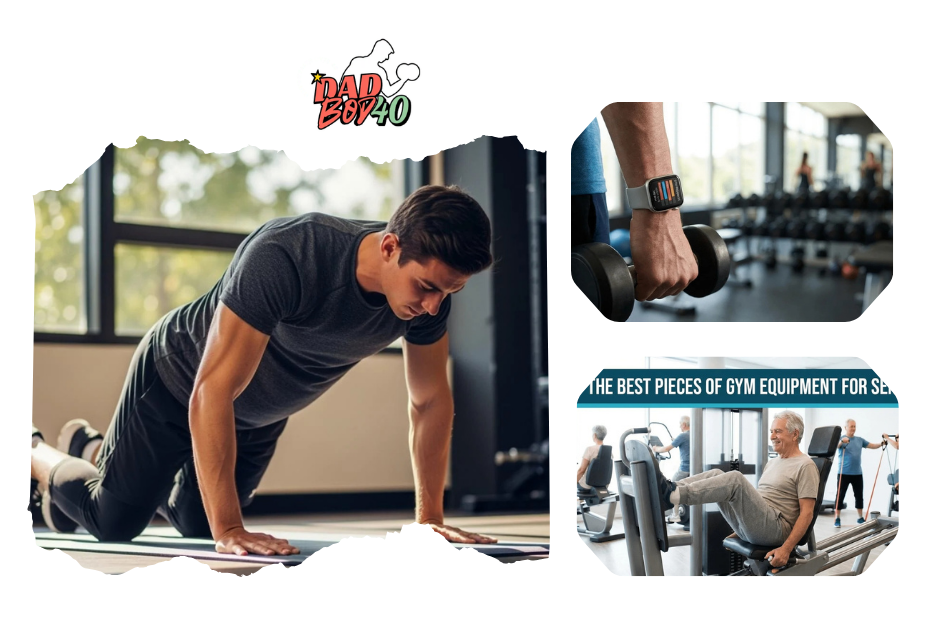
Chest and back work can be balanced with pushups, incline or decline variations, and row-like movements using a sturdy table. If standard pushups are challenging, modify with knee or incline angles while maintaining a straight line from head to heels. For pulling motion, use towel rows or doorframe rows to engage the upper back and biceps. Pair these with shoulder stability drills to prevent overuse. A steady set and rep scheme builds upper-body durability and toned definition over weeks.
Recovery and lifestyle tweaks
Recovery is a crucial part of any home workout plan. Prioritize sleep, balanced meals, and hydration to support muscle growth and energy. Include mobility work after workouts, such as hip openers and thoracic twists, to maintain range of motion. Schedule rest days to allow tissues to adapt, and listen to your body to avoid overtraining. Small daily habits—the stairs, brisk walks, or a short evening stretch—can compound into meaningful long‑term results for a healthier you.
Conclusion
If you’re looking to start with no‑equipment routines at home, this plan offers a clear path to steady gains without the gym. It emphasizes sustainable practice, sensible progression, and practical movement that fits into a busy schedule. For readers seeking extra motivation or a community angle, you might explore resources like Dad bod 40