


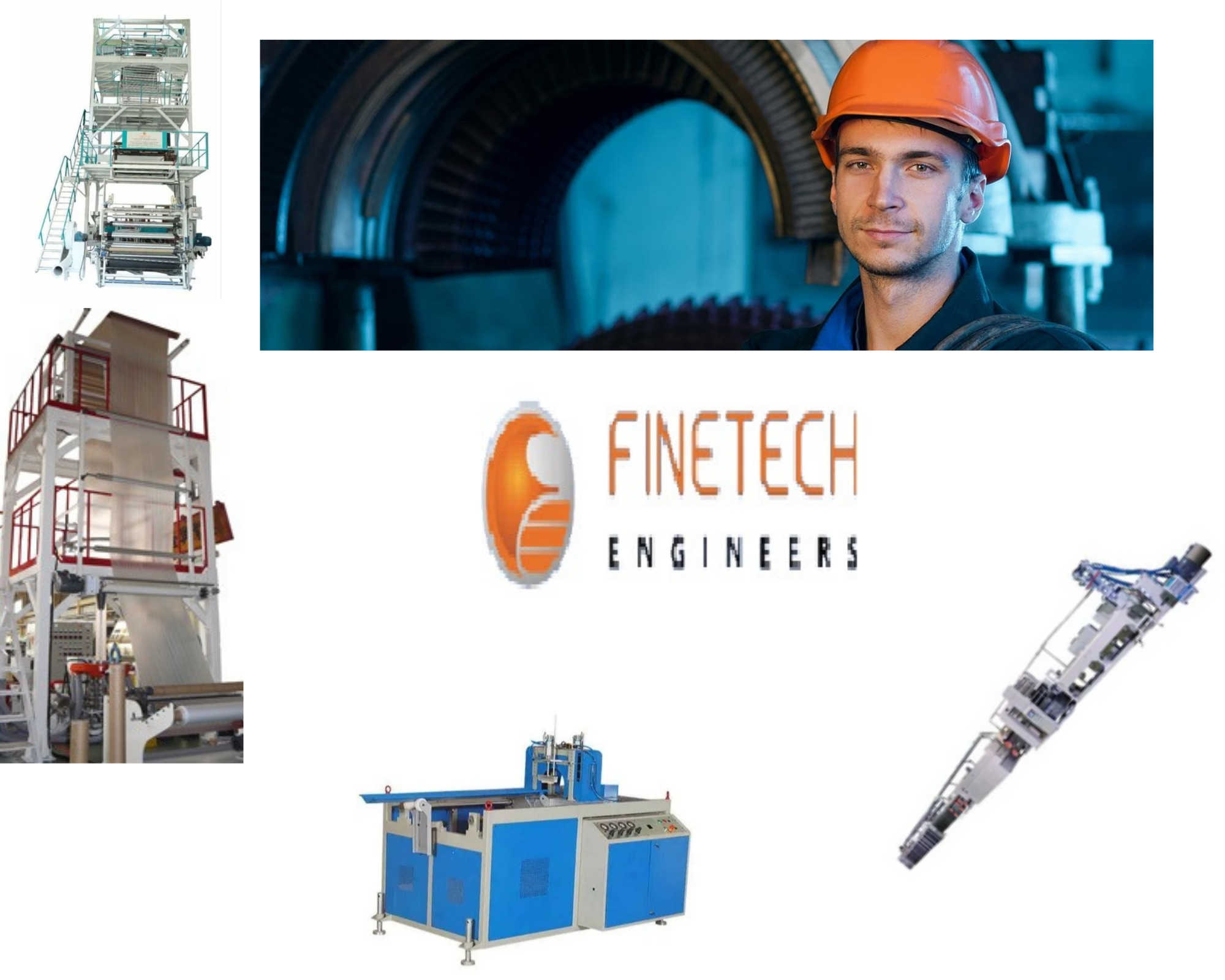
Overview of multi layer systems
A modern plastic film production line often deploys multiple material layers to achieve strength, flexibility, and barrier properties. The concept hinges on coextrusion, where different polymer streams are combined through a feedblock and then drawn into a thin film. Operators focus on process stability, resin compatibility, and precise layer control to avoid 5 layer blown film line delamination or thinning at high line speeds. Efficiency in a 5 layer blown film line hinges on consistent melt temperature, precise gap control in the die, and a robust take off system that handles the evolving film thickness without inducing wrinkles or pinholes.
Key design considerations for layer counts
Equipment choices for a 3 layer blown film plant typically prioritise a straightforward die configuration, reliable screw design, and a stable cooling mechanism. As the number of layers increases, so does the complexity of the barrier stack and the requirement for accurate 3 layer blown film plant layer ratio control. Operators plan around resin selection, viscosity matching, and the screw profile to balance melt temperature, residence time, and throughput. Proper calibration reduces edge bead formation and ensures uniform film density across widths.
Material handling and process stability
Material handling is critical for long production runs. Consistent raw material quality, moisture control for hygroscopic polymers, and precise dosing contribute to stable film thickness and mechanical properties. A well-tuned blower line uses responsive governors to stabilise gland pressure at the die and maintain film orientation during downstream cooling. Regular maintenance of screws, filters, and feed pipes minimises contamination that could affect clarity and strength, enabling reliable runs even at higher speeds.
Operational best practices and safety
Operational excellence combines standard operating procedures with real time monitoring. Operators track melt temperature, die gap, and take-off tension to prevent warping or necking of the film. Safety procedures addressing high-temperature zones, moving parts, and electrical systems reduce the risk of incidents. Training teams to read process data and respond quickly to alarms helps sustain production efficiency while protecting product quality. Finetech Engineers
Conclusion
In analysing multi layer blown film technologies, it is clear that both 5 layer blown film line and 3 layer blown film plant configurations demand careful planning around layer compatibility, machine stability, and responsive process control. By prioritising resin matching, precise die geometry, and robust take-off and cooling strategies, plants can deliver consistent film with the desired mechanical and barrier properties. Finetech Engineers