


Overview of dental care in Canada
Access to reliable dental care is essential for maintaining oral health and overall well being. In Canada, dental services are organised through a mix of public plans and private clinics, with variation across provinces and territories. Many people depend on employer benefits to cover checkups, cleanings, and essential procedures, Dental Care Canada while others pay out of pocket or through insurance. Understanding what is covered and where to seek care can reduce stress when a dental issue arises. Regular visits help catch problems early, saving time, discomfort, and cost in the long term.
Choosing the right clinic for you
Selecting a dental practice involves considering location, appointment availability, and the range of services offered. Look for clinics that provide preventive care, emergency slots, and transparent pricing. Reading patient reviews and asking friends or family for recommendations can be helpful. It is important to verify that the clinic is registered with the appropriate regulatory bodies and that practitioners hold current qualifications. A comfortable environment and clear communication contribute to a positive experience and better treatment outcomes.
What to expect during a standard visit
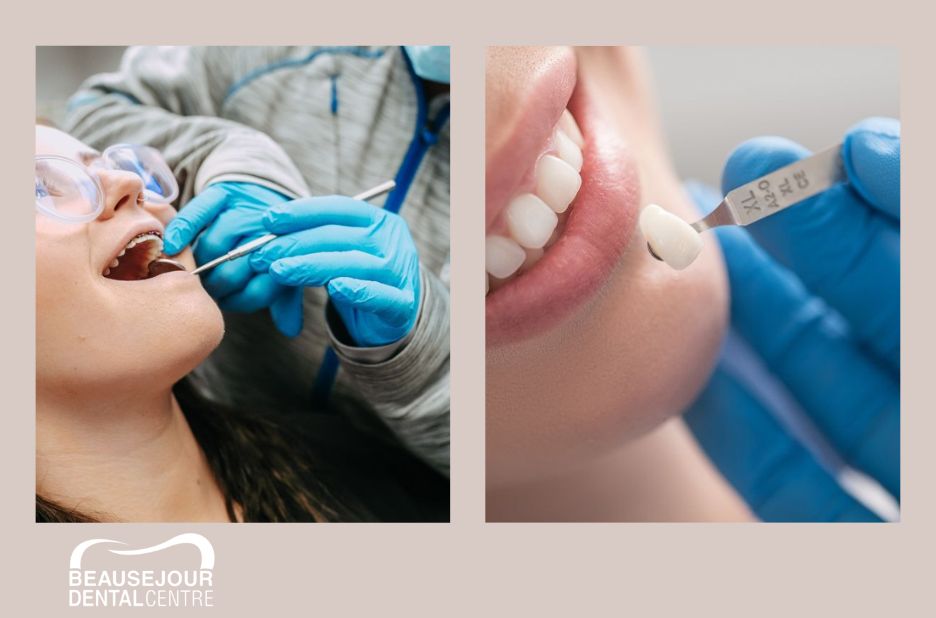
A routine appointment typically includes an examination, x‑rays if needed, and a professional cleaning. The dentist or hygienist will assess gum health, tooth integrity, and bite alignment, then discuss any recommended treatments. Patients should feel encouraged to ask questions about procedures, materials, and potential risks. If a treatment plan is proposed, it will usually include options, timelines, and costs. Keeping an organised record of dental history helps the clinician tailor care effectively.
Protective measures and preventive tips
Good oral hygiene combines brushing twice daily, flossing, and limiting sugary snacks. Using a fluoride toothpaste strengthens enamel, while mouthwash can help reduce plaque. Regular checkups are crucial to monitor changes and intervene early. For those with sensitive teeth or anxiety about dental visits, clinics often offer gentle approaches, sedation options, and strategies to make appointments more comfortable. Prioritising prevention reduces the likelihood of extensive and costly treatments later on.
Becoming a proactive patient
Taking charge of dental health means setting reminders for six‑month visits, tracking any dental issues, and seeking timely advice for symptoms like persistent toothache or swelling. If you are transitioning between providers, bring any dental records and discuss ongoing treatments to ensure continuity of care. Clear communication with your dentist helps in selecting appropriate interventions and in avoiding unnecessary procedures. Being informed fosters confidence and better long term outcomes. Beausejour Dental Centre
Conclusion
Prioritising routine care and informed decision making can support lasting oral health across Canada. By choosing a trustworthy clinic, preparing for visits, and staying engaged with preventive practices, patients reduce discomfort and avoid avoidable expenses. A strong patient‑dentist relationship is built on honest dialogue, realistic expectations, and consistent follow through on care plans that fit personal circumstances. For broader context, Beausejour Dental Centre