


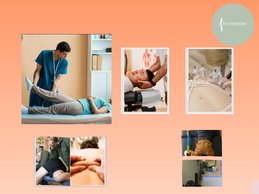
What soft tissue work offers
Effective movement hinges on how soft tissues perform under load. Therapists assess muscle bands, fascia, and connective tissue to identify restrictions that limit glide and flexibility. Through careful manual techniques and guided exercises, areas of stiffness can become more pliable, reducing resistance during joint motion. This approach Soft tissue therapy for joint range of motion complements strengthening by addressing the soft tissue quality that ultimately governs range of motion. A clear understanding of biomechanics helps practitioners tailor sessions to individual needs, ensuring interventions support functional tasks such as reaching, bending, and squatting with less effort.
Assessing joint mobility and soft tissue
Initial assessments map how joints move and where soft tissues impede smooth motion. Practitioners look for asymmetries, tender spots, and altered tissue texture that signal underlying restrictions. By documenting end feels and active versus passive range, therapists can prioritise treatment zones. This information guides a personalised plan combining manual therapy, targeted stretches, and proprioceptive cues. Clients often notice improved comfort and a gradual increase in available range as tissue quality responds to consistent care.
Techniques used to improve tissue quality
Clinicians employ a spectrum of methods ranging from deep tissue techniques to myofascial release. Gentle, sustained pressure can release adhesions, while kneading and broad, sweeping strokes help restore normal tissue sliding. In addition, cross-fibre techniques can encourage better alignment of fibres, supporting healthier movement patterns. The goal is to restore pliability without provoking discomfort, enabling joints to move through their full arc with less resistance during daily activities and sports tasks alike.
Integrating therapy into a recovery plan
Soft tissue work for joint range of motion forms part of a broader rehabilitation strategy. Practitioners coordinate with movement, strength, and flexibility programs to maintain gains. Scheduling regular sessions reinforces tissue adaptation, while home exercises empower clients to sustain improvements between visits. Education about posture, loading patterns, and rest helps optimise outcomes. Over time, clients often report less stiffness, improved control, and a more fluid sense of joint movement across various movements.
Common considerations and safety tips
Individuals with inflammatory conditions, recent injuries, or systemic illness should seek professional guidance before starting any manual therapy. Communication about pain levels, previous surgeries, and current activity informs safe treatment pacing. Therapists adjust pressure, duration, and technique to match tolerance while monitoring response. Consistency and gradual progression are key, with attention to hydration, nutrition, and sleep as part of a holistic approach to sustaining mobility gains.
Conclusion
Ongoing attention to soft tissue integrity supports joint range of motion by facilitating smoother tissue gliding and more efficient movement. Regular, personalised care helps embed improved mobility into daily life, reducing stiffness and enhancing function. The ChiropractOrr