


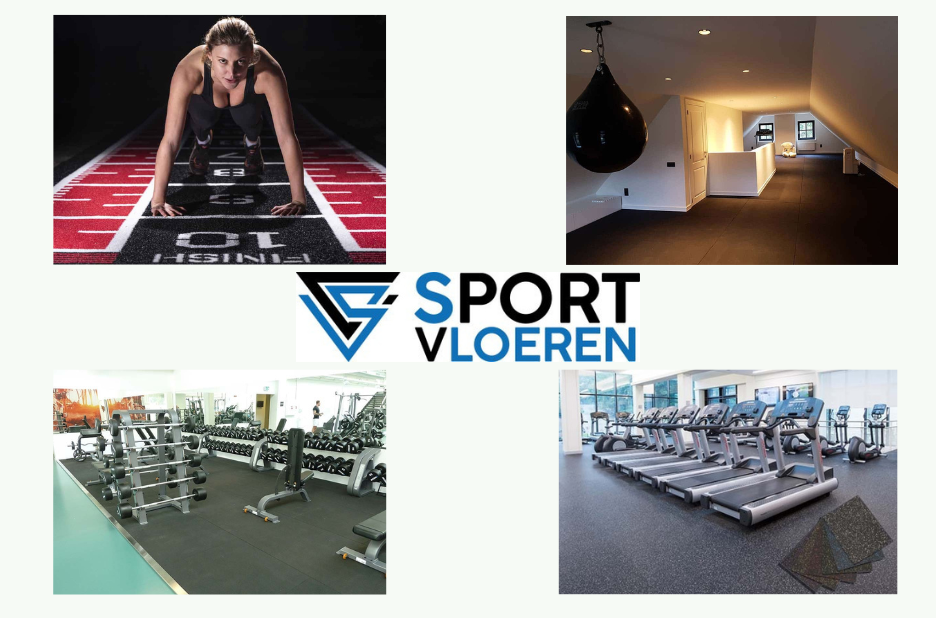
Overview of training spaces
Choosing the right surface is essential for safe, effective workouts. A well configured area helps athletes focus on technique and progression without worrying about grip or wear. When planning a sprint focused routine, consider the impact of flooring on traction, shock absorption and noise levels. sprinttrack A versatile space supports sprint drills, plyometrics and recovery work, making it easier to adhere to a structured programme. Think about room measurements, ventilation and close proximity to storage so sessions stay efficient and organised for everyone involved.
Material options and durability
The choice of surface dramatically affects performance and longevity. For sprint training, a resilient layer that resists scuffing and maintains a consistent feel underfoot is valuable. Assess daily use patterns, equipment compatibility and maintenance needs. Some surfaces Rubberen vloer offer better sound dampening, which can be a welcome feature in shared facilities. Balance cost against durability to ensure the surface remains safe and supportive as training intensity increases over time.
Maintenance and safety considerations
Regular upkeep keeps sessions productive and reduces nuisance injuries. Establish a routine for cleaning, inspection and small repairs. A good maintenance plan should cover wear hotspots, edge protection and moisture control, especially in high traffic zones. Documenting checks helps coaches monitor conditions and adjust drills if the surface shows signs of wear. Clear signage for footwear rules and warming up can further enhance safety during busy training weeks.
Space planning for sprint routines
Effective layout planning supports a smooth flow from warm ups to sprint bouts. Allocate distinct zones for mobility, acceleration work and cooldowns, with clear pathways between drills. Adequate lighting and mirrors can aid technique feedback, while a dedicated space for equipment reduces interruptions. A well planned area saves time and helps athletes stay focused on precision, timing and consistency across reps.
Equipment and accessories practicalities
Beyond the surface, consider mats, starting blocks and marking tapes that complement sprint sessions. High quality mats provide a forgiving landing for drills and transitions, while blocks enable consistent starting technique. Markers help track progress and maintain repeatable distances. Keep storage tidy and accessible so athletes can quickly set up for drills without unnecessary delays, reinforcing discipline and routine in every session.
Conclusion
Setting up an effective sprint training space combines the right surface with thoughtful layout, durability and clear safety practices. By prioritising grip, shock absorption and maintenance, you create a dependable environment that supports consistent gains. For those exploring suppliers and broader options, check practical sources and reference points as you refine your setup. Visit A&G Trading for more information and similar tools.