


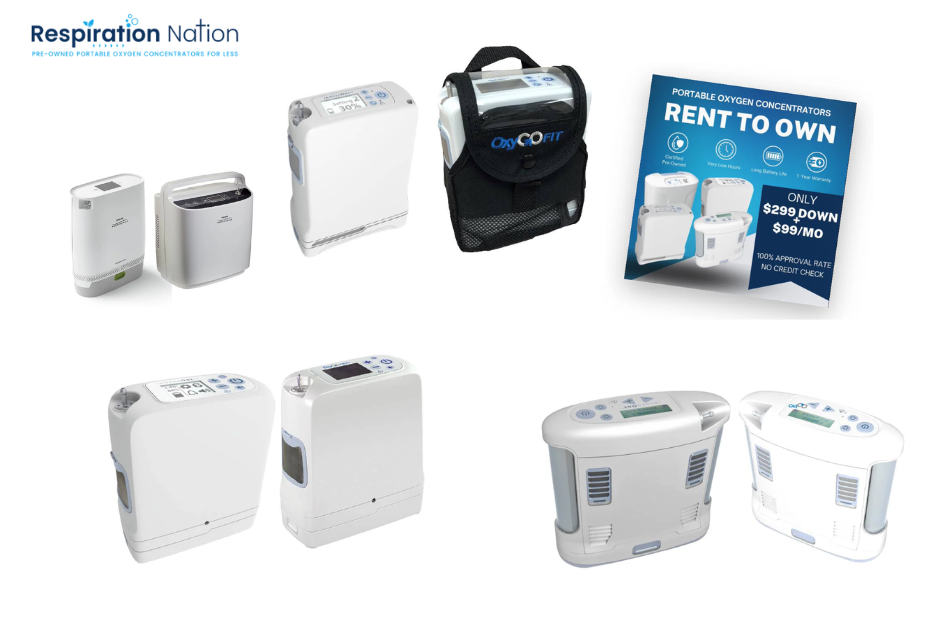
Understanding portable oxygen devices
When dealing with respiratory needs, selecting the right equipment is crucial for mobility and independence. A portable oxygen device can be a practical solution for those requiring supplemental oxygen on the go. This section outlines how compact systems differ from larger stationary units, focusing on how light weight, battery life, and portable oxygen machine inogen ease of use impact daily routines. By considering your lifestyle and medical advice, you can choose a setup that supports activities from errands to outdoor pursuits without compromising oxygen levels or comfort. The goal is reliable, consistent delivery in a compact form.
Evaluating the portable oxygen machine inogen options
Among the popular choices for portable relief is a device revered for its balance of portability and performance. When assessing features, look for flow settings, battery duration, and whether the unit accommodates travellers’ needs. Real world performance often hinges on Used Simplgo mini how quietly it runs, how rapidly it recharges, and the availability of spare parts or service. Reading user reviews and consulting a clinician helps ensure the model you pick complements existing treatment plans.
Used Simplgo mini guide for buyers
For budget conscious buyers, a used Simplgo mini can present a viable route to obtain reliable oxygen support without paying top new prices. Key considerations include the device’s age, maintenance history, and current battery health. Inspect for any signs of wear, check filters and screens, and verify that the device received professional servicing where required. A careful assessment helps reduce the risk of unexpected downtime during important activities or travel.
Practical care and maintenance tips
Maximising the life and performance of a portable oxygen system relies on regular maintenance. Keep filters clear, replace consumables on schedule, and store the unit in a cool, dry place when not in use. Protect the device from impacts and ensure a secure setup during transport. Always carry spare batteries if possible, and plan charging routines to align with daily obligations. Proper handling supports consistent oxygen delivery and reduces the chance of faults.
Conclusion
Choosing the right device depends on your needs and how you live with oxygen support. Consider each feature in relation to daily schedules and mobility levels, and align with medical guidance to maintain safe, steady delivery. If you’re exploring options, Respiration Nation offers friendly guidance and updates on equipment trends to keep you informed about practical choices in this space.