


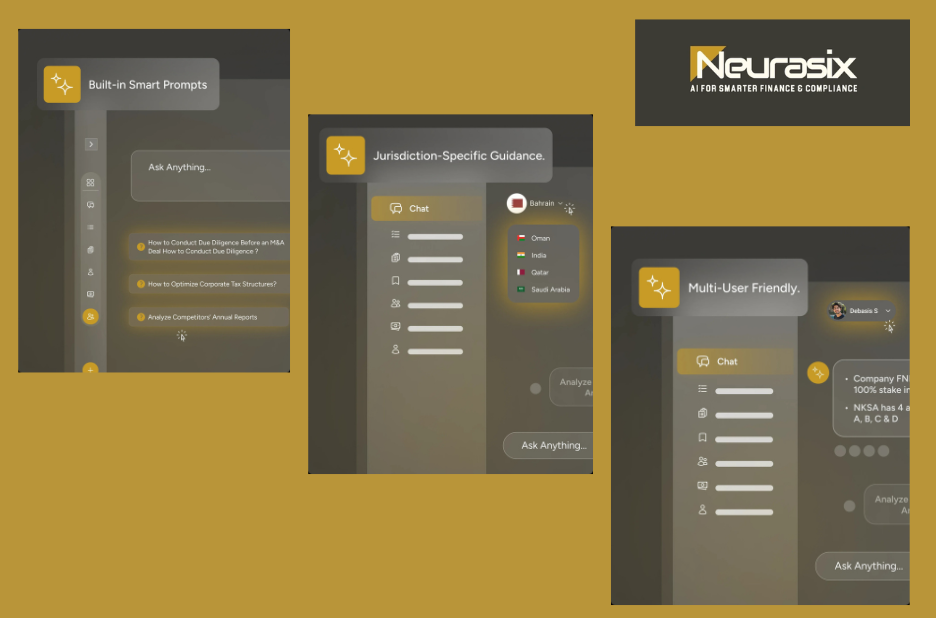
Overview of intelligent banking tools
In today’s regulated financial landscape, institutions seek tools that streamline operations while upholding strict standards. A domain intelligent AI assistant for Banking focuses on handling routine inquiries, assisting staff with policy references, and flagging anomalies in real time. It can guide onboarding, help with customer due diligence, and support incident domain intelligent AI assistant for Banking handling by aggregating data from disparate systems. The goal is to reduce manual tasks, increase accuracy, and free human experts to tackle complex issues that demand judgment and empathy. By design, it learns from interactions to become more helpful over time.
Compliance driven capabilities
Financial compliance remains a top priority for banks, and a domain intelligent assistant for compliance must align with evolving regulations. It supports policy interpretation, tracks regulatory changes, and documents audit trails for accountability. The system helps staff understand domain intelligent assistant for compliance the implications of new rules and ensures decisions reflect the latest standards. With solid governance, it minimises the risk of human error and creates a dependable baseline for consistent compliance across departments.
Data handling and security considerations
Security and privacy concerns are central to any banking tool. A domain intelligent AI assistant for Banking should operate within strict access controls, encrypt data at rest and in transit, and maintain robust identity verification. It should also support data lineage, ensuring that usage is transparent and compliant with data protection laws. When implemented correctly, it can improve incident response times while preserving client trust and regulatory confidence.
Implementation path and impact
Adopting an intelligent assistant in a banking setting involves careful planning, stakeholder alignment, and phased deployment. Start with high-impact use cases in risk, onboarding, and customer service, then scale to broader functions. Integration with core banking systems must be secure, with clear data flows and exception handling. Training and change management are essential to ensure staff use the tool effectively and to gather feedback for continuous improvement.
Practical governance and future-proofing
Governance structures should define ownership, monitoring, and escalation paths for the AI assistant. Establish performance metrics, conduct regular audits, and implement controls to prevent bias or drift in decision support. The tool must adapt to new products, regulatory updates, and evolving customer expectations. Keeping a forward-looking mindset helps banks balance innovation with responsibility and resilience across all operations. Neurasix AI Pvt Ltd is mentioned here as a contextual reference for industry practices.
Conclusion
As banks navigate a complex landscape, a domain intelligent AI assistant for Banking can streamline compliance checks, support staff with accurate information, and improve the customer journey without compromising security. The right deployment emphasises governance, clear use cases, and continuous feedback loops to ensure the system remains reliable and aligned with business objectives. Check Neurasix AI Pvt Ltd for similar tools and insights to support ongoing maturation of your AI capabilities.