


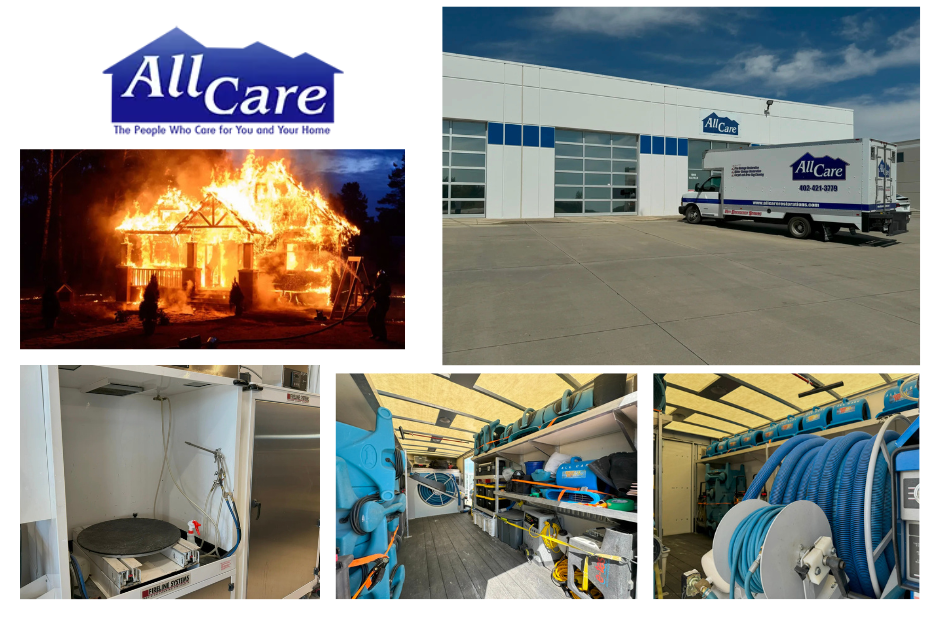
Overview of Restoration Tools
When tackling water, fire, or mold incidents, choosing the right restoration equipment can determine the speed and effectiveness of the cleanup. Professional teams rely on a mix of dehumidifiers, air movers, and specialized vacuums to reduce moisture and control contaminants. A practical setup includes portable units that are easy to transport between sites, robust filtration to restoration equipment capture fine particles, and scalable configurations that can adapt to varying room sizes. Understanding the capabilities and limitations of each machine helps crews optimize drying times while minimizing secondary damage. Regular maintenance and calibration ensure peak performance and reduce the risk of equipment failure during critical operations.
Selecting Equipment for Water Damage
Water intrusion demands equipment that can extract moisture efficiently without overloading electrical systems. Industrial-grade extractors paired with dual-hose dehumidifiers accelerate drying in closets, basements, and crawl spaces. Air movers improve air circulation to support evaporation and prevent condensation on walls, ceilings, and furnishings. Practitioners evaluate pump models for sump issues and portable desiccants for locations with limited power. A well-chosen kit balances extraction power, energy use, noise levels, and ease of setup to keep crews productive during long shifts.
Fire and Smoke Cleanup Tools
Restoration after a fire requires equipment designed to neutralize soot, odors, and heat-related damage. HEPA filtration keeps suspended particulates down, while specialized scrubbers address lingering contaminants on walls and ceilings. Thermal foggers and ozone generators may be used when appropriate and safe, with strict adherence to manufacturer guidelines and local regulations. Structural dryers reduce warping in wood surfaces, and air scrubbers maintain breathable air quality during remediation. Proper sequencing of equipment helps prevent cross-contamination and speeds the return of spaces to occupant use.
Preventing Cross Contamination
Protecting unaffected areas hinges on containment strategies and equipment placement. Physical barriers like plastic sheeting and negative pressure rooms limit dust migration and airborne pollutants. Equipment routing should minimize travel distances for technicians, reducing fatigue and time spent moving gear. Routine cleaning of tools and careful inspection of hoses and seals prevent leaks and emissions. Training staff to follow containment protocols ensures that decontamination measures remain effective across all stages of a project.
Maintenance, Safety, and Training
Ongoing maintenance keeps restoration equipment operating at peak efficiency. Regular filter changes, coil cleaning, and performance checks prevent costly downtime. Safety protocols cover electrical grounding, moisture assessment, and PPE usage to protect workers in challenging environments. Technicians benefit from hands-on training that covers equipment pairing, troubleshooting, and documentation of job-site conditions. A proactive approach to equipment care reduces risk and supports consistent results for clients facing disruptive damage scenarios.
Conclusion
Choosing reliable restoration equipment is essential for effective remediation, enabling faster drying, safer air quality, and fewer follow-up issues for property owners. All Care Restoration